Beef liver, often hailed as a nutritional powerhouse, is packed with vitamins, minerals, and proteins that can elevate the quality of your diet. It’s no wonder that so many people incorporate it into their meals, whether in stews, as steaks, or even ground into a savory pâté. But, like any fresh meat, beef liver is highly perishable, and understanding how to properly store it is essential for both preserving its nutritional value and preventing foodborne illnesses. If you’re wondering whether beef liver can go bad and how to ensure it’s safe to eat, you’re in the right place.
In this guide, we’ll dive into the shelf life of beef liver, the signs to look out for when it’s gone bad, and the best practices for storing it properly. Let’s get started!
Can Beef Liver Go Bad?
Yes, beef liver can go bad-just like any other form of meat. In fact, liver is especially prone to spoilage due to its high moisture content, which creates a breeding ground for bacteria if not handled correctly. Beef liver doesn’t have the same shelf stability as other cuts of beef like steaks or roasts because it’s typically fresher, tenderer, and more delicate. The good news is that by understanding the signs of spoilage and how to store it properly, you can enjoy the benefits of liver without worrying about food safety.
The primary factors that contribute to beef liver spoiling include:
- Temperature: Liver must be stored at the correct temperature to prevent bacterial growth. If it’s left at room temperature for too long, it can quickly go bad.
- Moisture: Because liver is rich in water, it creates a more favorable environment for harmful microorganisms to grow. This is why you need to store it in a way that keeps excess moisture in check.
- Oxygen exposure: Just like other meats, liver exposed to air for extended periods can start to oxidize, losing both its flavor and safety.
Shelf Life For Beef Liver
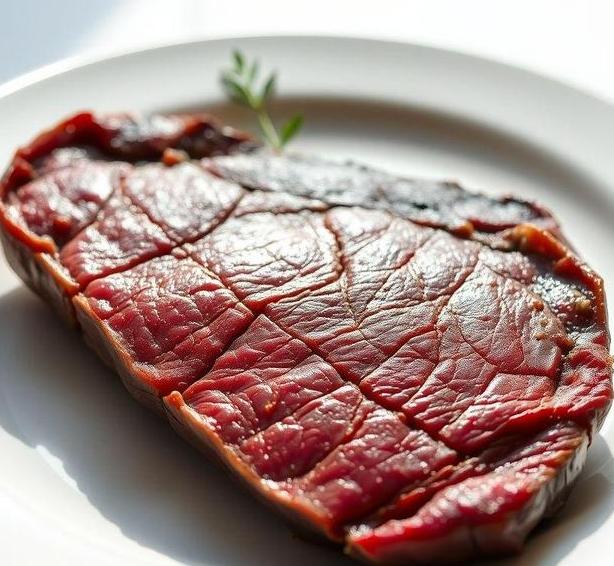
Beef liver is a fresh product, and its shelf life is relatively short compared to other cuts of meat. However, it can last for a few days in the fridge or several months in the freezer if stored properly. The exact shelf life will depend on the state of the liver when you purchase it, how it is stored, and whether it’s raw or cooked.
The key takeaway is that while beef liver is highly perishable, proper storage can significantly extend its usable life, allowing you to enjoy this nutrient-rich food without the risk of eating spoiled meat.
Common Signs Of Spoilage
When beef liver goes bad, its texture, smell, and color can change drastically. It’s important to familiarize yourself with these signs to avoid food poisoning or discomfort from consuming spoiled meat. Here’s what to look out for:
-
Smell
- Fresh beef liver has a distinct, slightly metallic smell, but it should never be overwhelming. If the liver gives off a sour, rancid, or overly pungent odor, it’s likely spoiled and should be discarded.
-
Color
- Fresh liver is usually a dark reddish-brown color. If the liver turns a greenish, grayish, or yellowish hue, it’s an indication that it has begun to spoil.
- You may also notice darkening in spots or the development of an unusual film on the surface, which could be bacteria forming.
-
Texture
- The liver should be firm and moist, but not slimy. If it feels excessively slimy, mushy, or sticky, it’s likely gone bad.
-
Excessive Discoloration In The Packaging
- If the liver was vacuum-sealed or packaged, check for any unusual discoloration inside the packaging, especially near the edges, which can indicate it’s past its prime.
-
Presence Of Mold
- While not common, mold can form on meat if it’s left out too long or improperly stored. If you see mold on the surface of the liver, discard it immediately.
When in doubt, trust your senses. If something seems off-whether it’s the smell, look, or texture-don’t take the risk. Better safe than sorry!
How To Store Beef Liver?
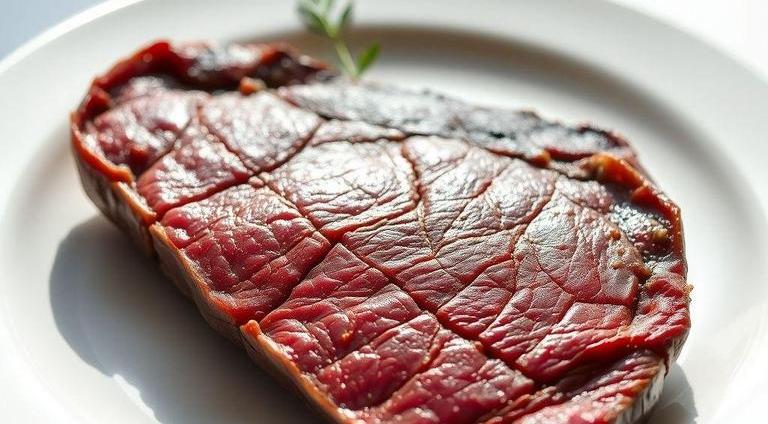
Storing beef liver properly is the key to keeping it fresh and safe to eat. Here are some expert-recommended storage tips for both raw and cooked liver:
For Raw Beef Liver
-
Refrigeration
- Always refrigerate raw beef liver as soon as possible. Store it on the bottom shelf of the fridge (the coldest spot) to minimize any risk of contamination from other foods.
- Make sure the packaging is intact, or if you’ve opened it, transfer it to an airtight container or wrap it tightly in plastic wrap.
-
Freezing
- If you won’t use the liver within a day or two, freezing is your best bet.
- Wrap the liver in plastic wrap or aluminum foil, and place it in a freezer-safe bag or airtight container to avoid freezer burn and preserve its texture and flavor.
- Don’t freeze the liver if it’s already past its sell-by date, as freezing won’t improve its quality.
For Cooked Beef Liver
-
Refrigeration
- Store cooked liver in an airtight container to prevent it from drying out and absorbing odors from other foods.
- If you plan on consuming the liver within 3-4 days, the fridge is perfectly fine for storage.
-
Freezing
- If you want to preserve cooked liver for longer, freeze it in a freezer-safe container or bag. Be sure to cool it completely before freezing, as this helps maintain its texture.
Additional Storage Tips
-
Avoid Leaving It Out
- Never leave raw or cooked liver at room temperature for more than 2 hours. In hot weather (above 90°F), this time drops to just 1 hour.
-
Use Vacuum Sealing
- If you plan on storing liver in the fridge or freezer for a longer time, consider using a vacuum sealer to remove air and keep it fresh for a longer period.
Expert Tips
-
Plan Ahead
- If you buy beef liver and don’t plan to use it immediately, freezing it right away is your best option. Fresh liver is most flavorful when used within a day or two, so don’t wait around if you’re not using it right away.
-
Portioning
- If you’re buying liver in large quantities, consider portioning it into smaller sizes before freezing. This makes it easier to defrost only what you need.
-
Defrosting
- Always defrost beef liver in the fridge rather than on the countertop. The slower thawing process reduces the risk of bacterial growth. Never refreeze thawed liver, as this can significantly affect the texture and safety of the meat.
-
Cook It Well
- While cooking doesn’t extend the shelf life of beef liver, it does kill harmful bacteria. If you plan to store cooked liver for later, make sure it’s cooked through before refrigerating or freezing.
FAQs
How Long Can Beef Liver Last In The Refrigerator?
Beef liver can typically last in the refrigerator for 1 to 2 days. It is important to store it properly in an airtight container or tightly wrapped to prevent contamination and spoilage.
Can Beef Liver Be Frozen?
Yes, beef liver can be frozen to extend its shelf life. When stored in an airtight container or freezer-safe bag, it can last up to 3 to 4 months in the freezer.
What Are The Signs That Beef Liver Has Gone Bad?
Signs that beef liver has spoiled include an off or sour smell, a slimy texture, a change in color (e.g., turning brown or gray), or the presence of mold. If any of these signs are present, it should be discarded.
How Can I Tell If Beef Liver Is Still Fresh When Purchasing It?
When purchasing beef liver, look for vibrant red or deep purple color, firm texture, and no off-putting odors. Fresh liver should not be slimy or sticky to the touch.
Can Beef Liver Go Bad If Left Out At Room Temperature?
Yes, beef liver can spoil quickly if left out at room temperature for more than 2 hours. This is because bacteria can multiply rapidly at temperatures above 40°F (4°C), leading to foodborne illness.
How Long Can Beef Liver Be Left At Room Temperature Before It Goes Bad?
Beef liver should not be left out at room temperature for more than 2 hours. In hot weather (above 90°F or 32°C), it should be discarded after just 1 hour.
Is It Safe To Eat Beef Liver If It’s Past The Expiration Date?
Consuming beef liver past the expiration date is not recommended, as it can have an increased risk of spoilage or contamination. Always check for signs of spoilage before consuming, even if the liver is within the expiration period.
Can I Cook Beef Liver That Is Slightly Spoiled?
No, it’s not safe to cook or eat beef liver that shows signs of spoilage such as an off smell, discoloration, or sliminess. Spoiled meat can contain harmful bacteria that are not eliminated by cooking.
What Is The Best Way To Store Beef Liver To Prevent It From Going Bad?
To prevent beef liver from going bad, store it in the refrigerator as soon as possible after purchase. It should be kept in an airtight container or wrapped tightly in plastic wrap or foil. For longer storage, freezing is recommended.
Can Beef Liver Be Used After Being Frozen For A Long Period Of Time?
While beef liver can be safely frozen for 3 to 4 months, the texture and quality may deteriorate if stored for longer periods. It’s best to use frozen liver within this time frame for optimal taste and texture.