When it comes to cooking with veal, there’s something undeniably tender and delicious about veal cutlets. They’re versatile, easy to cook, and can elevate any meal with their mild flavor and succulent texture. However, like any meat, veal has a limited shelf life, and proper handling is crucial to ensuring it stays fresh and safe to eat.
If you’ve found yourself wondering, “Can veal cutlets go bad”? or “How long can I keep veal cutlets in the fridge or freezer before they spoil”? you’re not alone. The reality is that even though veal is a relatively lean meat, it still requires careful storage to maintain its quality. In this guide, we’ll dive into the specifics of veal cutlets, from spoilage signs to storage techniques, so you can enjoy them at their freshest.
Can Veal Cutlets Go Bad?
Yes, veal cutlets, like all fresh meat, can indeed go bad. Even though veal is often a prized cut for its tenderness and mild taste, it is not immune to spoilage. The meat will start to deteriorate due to bacteria growth, oxidation, or improper storage conditions.
Here’s the deal:
- Raw veal is highly perishable, especially when left at room temperature for too long.
- Cooked veal cutlets can last a bit longer, but they, too, are vulnerable to bacterial growth, particularly if they are not cooled down and refrigerated properly.
If you don’t handle veal cutlets correctly, the flavor, texture, and safety of the meat can quickly degrade, so it’s essential to be aware of how to properly store and check for signs of spoilage.
Shelf Life For Veal Cutlets
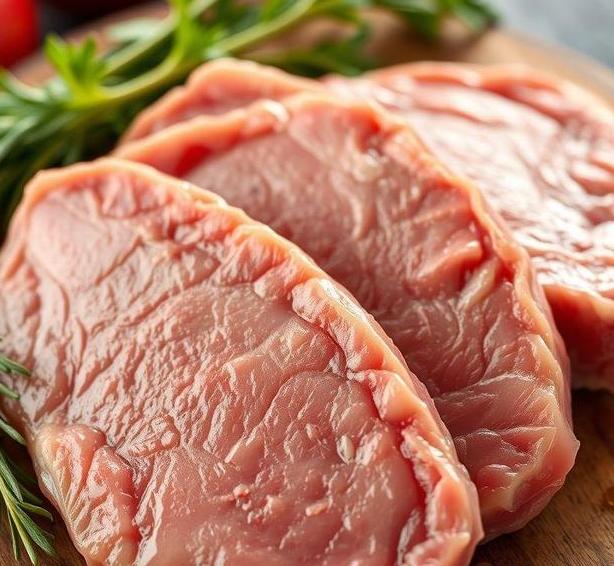
Knowing the shelf life of veal cutlets is key to maintaining the quality of your meat and ensuring your meals are both delicious and safe. The exact lifespan of veal cutlets can vary depending on whether they’re raw or cooked, and how they’re stored.
-
Raw Veal Cutlets (in The Refrigerator)
- Typically, raw veal can last 3 to 5 days in the refrigerator. It’s important to note that this is assuming the meat is stored at the correct temperature (at or below 40°F/4°C).
- If you’ve bought veal from the butcher or grocery store, make sure to check the sell-by date on the package. You may be able to extend the freshness by consuming it closer to that date.
-
Raw Veal Cutlets (frozen)
- If you want to preserve veal for a longer period, freezing is your best bet. When properly wrapped in plastic or placed in a vacuum-sealed bag, veal can last up to 6 to 9 months in the freezer.
- While it will remain safe to eat beyond that time, the quality may begin to suffer, with the texture and flavor declining over time.
-
Cooked Veal Cutlets
- After cooking, veal can be kept in the fridge for 3 to 4 days. As with raw veal, the key is refrigeration-do not leave cooked veal out at room temperature for more than two hours.
- If you freeze cooked veal, it can last 2 to 3 months, but the texture might be affected once thawed.
The key takeaway here is that freshness is paramount. Always store veal in a cold, airtight environment to maximize its shelf life.
Common Signs Of Spoilage
Spoiled veal cutlets can be dangerous to consume, and it’s crucial to be aware of the red flags that indicate the meat has gone bad. When you’re checking your veal, use all of your senses to make an assessment:
Visual Cues
- Discoloration: Fresh veal cutlets are usually a pale pink color. If you notice the meat turning grey, brown, or even greenish, that’s a clear sign of spoilage. A change in color can indicate bacterial growth or oxidation.
- Slimy texture: If the cutlet feels slippery or slimy to the touch, it has begun to spoil. Fresh veal should feel firm and slightly moist, but not slimy.
Smell
- Off or sour odor: One of the quickest ways to tell if veal has gone bad is by giving it a sniff. Fresh veal should have a neutral, slightly sweet smell. If it has a sour or rotten odor, discard it immediately.
Texture
- Tacky or sticky: When veal is fresh, it will feel moist but not sticky or tacky. If the texture changes, that’s often a sign that bacteria have started breaking it down.
Taste (last Resort)
- If you decide to taste a small bite to test its quality (although this is not recommended), any sour or rancid taste is a clear indicator that the meat should be discarded.
If you notice any of these signs, it’s better to err on the side of caution and dispose of the meat.
How To Store Veal Cutlets?
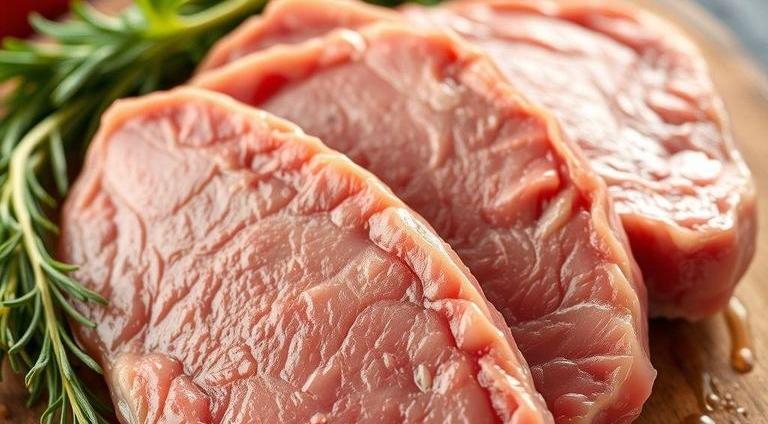
Proper storage is the best way to extend the freshness and safety of veal cutlets. Here are some expert tips on how to store veal effectively:
For Raw Veal
-
Refrigeration
- Keep raw veal cutlets in their original packaging if you plan on using them within a few days. If not, transfer them to an airtight container or wrap them tightly in plastic wrap or aluminum foil.
- Always store veal on the bottom shelf of your fridge to avoid any potential contamination from other foods. Make sure your refrigerator is set to the correct temperature (below 40°F/4°C).
-
Freezing
- To freeze raw veal, wrap it tightly in freezer paper or plastic wrap, then place it in a resealable freezer bag to prevent freezer burn.
- Label the packaging with the date to track how long it’s been stored.
For Cooked Veal
-
Refrigeration
- Store cooked veal in an airtight container or wrap it well in foil or plastic wrap to avoid air exposure.
- Ideally, use it within 3 to 4 days for the best taste and texture.
-
Freezing
- Cooked veal can be frozen in airtight containers or freezer bags. For the best results, try to consume it within 2 to 3 months. When reheating, do so thoroughly to kill any lingering bacteria.
Tips To Prevent Spoilage
- Always make sure to store veal promptly after purchase or cooking.
- Avoid leaving veal cutlets out at room temperature for more than 2 hours, as bacteria can multiply quickly at these temperatures.
- Be mindful of cross-contamination-keep veal separate from ready-to-eat foods in your fridge.
Expert Tips
- Don’t refreeze thawed veal: Once veal has been thawed in the fridge, it should be cooked within 1 to 2 days and not refrozen. Refreezing can lead to a loss of flavor, texture, and safety.
- Use a thermometer: When cooking veal, it’s essential to use a food thermometer to ensure it reaches the correct internal temperature. For veal cutlets, this should be 145°F (63°C), followed by a 3-minute rest before serving.
- Vacuum sealing: For long-term storage, consider investing in a vacuum sealer. This method helps preserve the freshness of veal much longer than traditional wrapping.
FAQs
Can Veal Cutlets Go Bad If Left At Room Temperature?
Yes, veal cutlets can go bad if left at room temperature for more than two hours. Bacteria multiply quickly in warm environments, which can lead to foodborne illness. Always refrigerate veal cutlets promptly.
How Long Can Veal Cutlets Last In The Fridge?
Veal cutlets can last in the refrigerator for about 3 to 5 days when stored properly in an airtight container or wrapped tightly in plastic wrap. For longer storage, freezing is recommended.
How Can I Tell If Veal Cutlets Have Gone Bad?
Signs that veal cutlets have gone bad include an off or sour smell, a slimy texture, or discoloration. If the cutlets feel sticky or tacky to the touch, it’s best to discard them.
Can Veal Cutlets Be Frozen?
Yes, veal cutlets can be frozen for up to 6 months. For best quality, wrap them tightly in plastic wrap or aluminum foil, and place them in a freezer bag to prevent freezer burn.
Can Veal Cutlets Go Bad After Being Frozen?
While veal cutlets can stay safe indefinitely in the freezer, their quality can deteriorate over time. For optimal flavor and texture, use frozen veal cutlets within 4 to 6 months.
What Happens If I Eat Veal Cutlets That Have Gone Bad?
Eating spoiled veal cutlets can lead to food poisoning, with symptoms such as nausea, vomiting, diarrhea, and stomach cramps. Always ensure veal cutlets are properly stored and cooked to avoid these risks.
How Should I Store Veal Cutlets To Extend Their Shelf Life?
Store veal cutlets in the refrigerator at a temperature of 40°F (4°C) or lower. Ensure they are kept in an airtight container or tightly wrapped to prevent exposure to air and moisture, which can cause spoilage.
Can I Eat Veal Cutlets Past The Expiration Date On The Packaging?
It’s not advisable to eat veal cutlets past the expiration date, as they may be unsafe. Always check for signs of spoilage like discoloration, unpleasant odor, or a slimy texture before consuming.
Can Cooking Veal Cutlets Kill Bacteria If They Have Gone Bad?
Cooking veal cutlets may kill some bacteria, but it will not eliminate toxins produced by bacteria that have grown during spoilage. It’s safest to discard veal cutlets that show signs of spoilage.
Can I Store Veal Cutlets With Other Meats In The Fridge?
It’s best to store veal cutlets separately from other meats in the fridge to prevent cross-contamination. Use sealed containers or wraps to keep the veal cutlets away from other items.