Broccoli-this vibrant, green vegetable, packed with nutrients, is a staple in many kitchens. It’s known for its crunchy texture and versatile flavor, whether you’re steaming it, tossing it into a salad, or sautéing it with garlic. But, like all fresh produce, it has its limits. So, the big question: Can broccoli go bad?
In this guide, we’ll dive deep into all the essential things you need to know about broccoli spoilage-from how long it lasts, the signs it’s gone bad, and the best ways to store it to maximize its freshness. By the end, you’ll be armed with all the info you need to keep your broccoli in prime condition for as long as possible!
Can Broccoli Go Bad?
Yes, broccoli can definitely go bad, and it can happen quicker than you might expect. Like many fresh vegetables, it’s quite perishable due to its high water content. When stored improperly, broccoli loses its crisp texture, turns yellow or brown, and becomes mushy. Over time, its flavor can also turn bitter or sour, making it unappetizing and not suitable for consumption.
There’s a delicate balance when it comes to storing broccoli. While it is a highly nutritious veggie, you’ll need to pay attention to how you handle it, as it’s very sensitive to temperature and humidity. The quicker you eat it after purchasing or harvesting, the better its quality will be.
Shelf Life For Broccoli
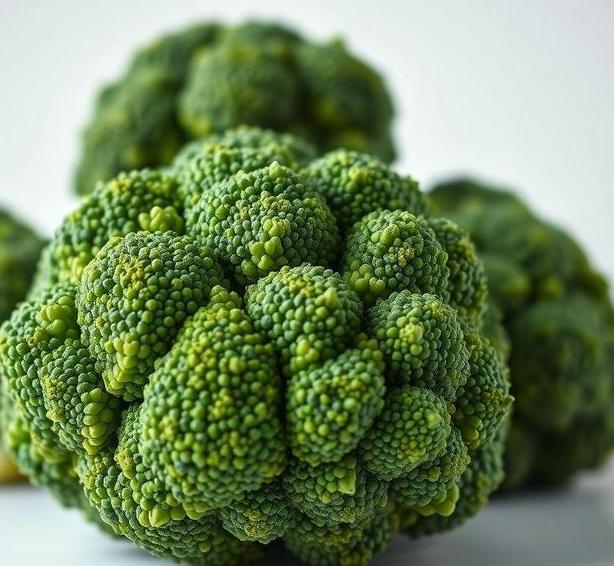
Knowing how long your broccoli lasts is essential for meal planning and avoiding waste. Here’s a breakdown of how long you can expect it to stay fresh based on storage conditions:
- Fresh Broccoli in the Refrigerator: When kept in the fridge, broccoli typically lasts for 3 to 7 days. It’s best to consume it as soon as possible after purchasing to maintain optimal freshness and flavor.
- Frozen Broccoli: If you blanch and freeze your broccoli, it can last for 10 to 12 months. Freezing is a great option if you have a large batch and want to store it for later.
- Cut or Prepared Broccoli: Once you’ve cut your broccoli, it will spoil faster. Fresh cut broccoli can last 2 to 3 days in the fridge. The exposed cut edges are more prone to oxidation and bacterial growth, so they’ll deteriorate quicker.
- Cooked Broccoli: Once cooked, broccoli typically lasts about 3 to 5 days in the fridge, but it will lose its flavor and texture after a day or two, so it’s always best to eat it fresh.
Common Signs Of Spoilage
How do you know when your broccoli has gone bad? It’s not always obvious, but there are key signs to look for that indicate it’s time to toss it out:
- Color Changes: Fresh broccoli should be a deep green color. If you notice yellowing or browning, it’s a clear sign that your broccoli is past its prime. Yellowing happens when the florets start to over-ripen and age.
- Soft or Mushy Texture: Fresh broccoli is firm and crisp. If it’s become soft, squishy, or rubbery, it has started to spoil. Over time, excess moisture causes the broccoli to lose its original crunch, which affects its texture and overall quality.
- Foul Odor: If your broccoli starts to smell sour, rancid, or just off, it’s no longer good to eat. A strong, unpleasant odor is often a sign of bacterial growth or fermentation.
- Slimy or Wet Florets: Broccoli that’s overly wet or slimy likely has excess moisture, which promotes mold or bacterial growth. If you see any spots of mold, especially around the stem or florets, it’s time to discard it.
- Wilted or Droopy Leaves: The leaves of broccoli are often a sign of how fresh it is. If the leaves are wilted, droopy, or yellow, the vegetable is old and might have already started to spoil.
How To Store Broccoli?
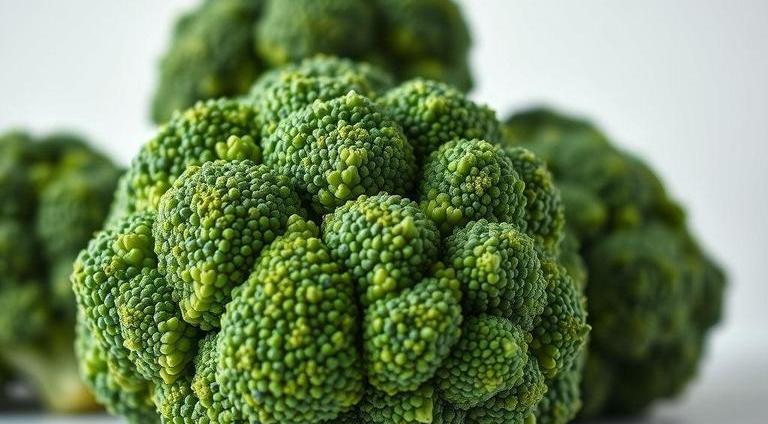
Proper storage is the key to prolonging the shelf life of your broccoli and keeping it fresh for as long as possible. Here’s how to do it right:
Refrigeration
- Unwashed: Always store your broccoli unwashed in the fridge. Excess moisture from washing can promote spoilage. Simply place the broccoli in a perforated plastic bag (the kind with holes for airflow) or wrap it loosely in a damp paper towel and place it in a crisper drawer in the fridge.
- Washed: If you’ve already washed the broccoli, be sure to dry it thoroughly before refrigerating. You can also store it in a sealed container with a paper towel inside to absorb any excess moisture.
Freezing
- To freeze broccoli, start by blanching it in boiling water for about 3 minutes to stop the enzymes from degrading its flavor and texture. After blanching, immediately transfer the broccoli into ice water to cool down. Once it’s cooled, pat it dry, chop it into florets, and place it in a sealed freezer-safe bag or container. Frozen broccoli can stay good for up to a year.
Avoid Storing With Fruits
- Avoid placing your broccoli next to fruits like apples, bananas, or tomatoes. These fruits emit ethylene gas, which accelerates the ripening process of vegetables, including broccoli.
Don’t Store Cut Pieces
- If you’ve already cut your broccoli, it’s best to use it within a day or two. If you have leftovers, store them in an airtight container to minimize exposure to air and moisture.
Expert Tips
To make sure your broccoli stays fresh longer and tastes better, here are a few pro tips:
- Do Not Wash Before Storing: If you’re storing fresh broccoli, always avoid washing it until you’re ready to use it. Excess moisture encourages bacterial growth and speeds up the spoiling process.
- Store in the Right Crisper Drawer: The fridge has two drawers: the vegetable crisper and the fruit crisper. The vegetable crisper is the best place for broccoli as it maintains the right humidity levels for leafy vegetables.
- Use a Salad Spinner: If you’re prepping broccoli and washing it, use a salad spinner to remove as much water as possible. This will help keep your broccoli fresh longer when storing it in the fridge.
- Cut off the Stems if They Get Too Long: If the stalks of your broccoli get too long, they may become too fibrous and tough to eat. Consider cutting them down to a more manageable size, and make sure to store the broccoli upright in your fridge to help preserve its texture.
- Know When to Freeze: If you see your broccoli starting to go bad and you can’t eat it in time, freeze it before it’s too late. Blanching it properly will lock in its nutrients and flavor.
FAQs
How Can You Tell If Broccoli Has Gone Bad?
Broccoli that has gone bad typically shows signs such as yellowing of the florets, a slimy texture, and wilting or dried leaves. The stalks may also become soft or discolored. A strong, unpleasant odor is also a common indication of spoilage.
How Long Does Fresh Broccoli Last In The Refrigerator?
Fresh broccoli typically lasts between 3 to 7 days when stored in the refrigerator. However, it’s best consumed sooner for optimal taste and texture. Keeping it in a perforated plastic bag can help extend its shelf life.
Can Broccoli Go Bad If Left Out At Room Temperature?
Yes, broccoli can go bad if left out at room temperature for too long. In general, perishable vegetables like broccoli should not be left unrefrigerated for more than 2 hours, as bacteria can start to grow and spoil the vegetable.
How Can You Prevent Broccoli From Going Bad Too Quickly?
To prevent broccoli from spoiling too quickly, store it in the vegetable crisper drawer of the refrigerator, ideally in a perforated plastic bag to allow airflow. Avoid washing it before storing, as excess moisture can cause quicker deterioration.
Can Broccoli Be Frozen To Extend Its Shelf Life?
Yes, you can freeze broccoli to extend its shelf life. Before freezing, blanch it in boiling water for 2-3 minutes and then immediately place it in ice water. This process preserves its color, flavor, and nutrients.
What Happens To Broccoli When It Goes Bad?
When broccoli goes bad, it becomes limp, discolored (usually yellow or brown), and develops a foul odor. The florets may also become mushy and slimy, and the stalks may soften or rot. The taste will become bitter or unpleasant.
Is It Safe To Eat Broccoli That Has Started To Yellow?
While yellowing broccoli is not necessarily harmful, it indicates that the vegetable is past its peak freshness. The yellow color is a sign that it’s beginning to age and may have a bitter taste, although it may still be safe to eat if there are no other signs of spoilage.
Can You Eat Broccoli If The Stems Are Turning Brown?
Brown stems on broccoli indicate that the vegetable is starting to go bad. If the stems are slightly brown and the rest of the broccoli is still firm, you can trim off the affected parts. However, if the browning is widespread and the vegetable is mushy or smells off, it should be discarded.
Does Cooking Broccoli Prevent It From Going Bad?
Cooking broccoli can help extend its usability for a short period, but it will still spoil eventually. Cooked broccoli should be stored in the refrigerator and consumed within 3-5 days. Freezing cooked broccoli can also help preserve it for longer.
Can Broccoli Go Bad In The Freezer?
Broccoli can go bad in the freezer if it is not properly blanched before freezing. Without blanching, frozen broccoli can become mushy, lose its flavor, and develop freezer burn. Properly blanched and stored in an airtight container, frozen broccoli can last for up to 12 months.