When you think of comfort food, it’s hard to beat the golden, crispy goodness of chicken tenders. Whether you enjoy them at a family dinner, in a lunchbox, or as a quick snack, chicken tenders have a place in many kitchens. However, with that convenience comes the question: how long do chicken tenders last? Can they go bad? Understanding the shelf life of chicken tenders, along with the right way to store them, can prevent a lot of frustration and food waste. Spoiled chicken tenders are not only unappetizing but can be downright dangerous. In this article, we’ll dive into the details of how to properly store your chicken tenders, how long they last, and the signs to look out for that tell you it’s time to toss them. Let’s break it all down, so you can keep your food safe and delicious!
Can Chicken Tenders Go Bad?
Yes, chicken tenders can go bad. Like any other poultry, they are perishable and subject to spoilage over time, whether raw or cooked. It’s important to remember that chicken tenders contain moisture and proteins, which makes them a prime environment for bacteria like Salmonella and Campylobacter to thrive. The risk of foodborne illnesses increases if chicken tenders aren’t stored properly or if they’re kept for too long.
There are a few key factors that contribute to chicken tenders going bad:
- Time: The longer chicken tenders sit, the higher the chances of spoilage. If they’re not refrigerated or frozen within a safe time frame, harmful bacteria can grow and multiply.
- Temperature: Chicken should always be kept at the right temperature. Bacteria grow fastest in the “danger zone” (between 40°F and 140°F), so it’s crucial to store your tenders properly to prevent this.
- Storage: Whether you’ve got leftover chicken tenders or raw ones waiting to be cooked, how you store them plays a significant role in how long they last. Incorrect storage increases the risk of bacteria and mold growth.
Shelf Life For Chicken Tenders
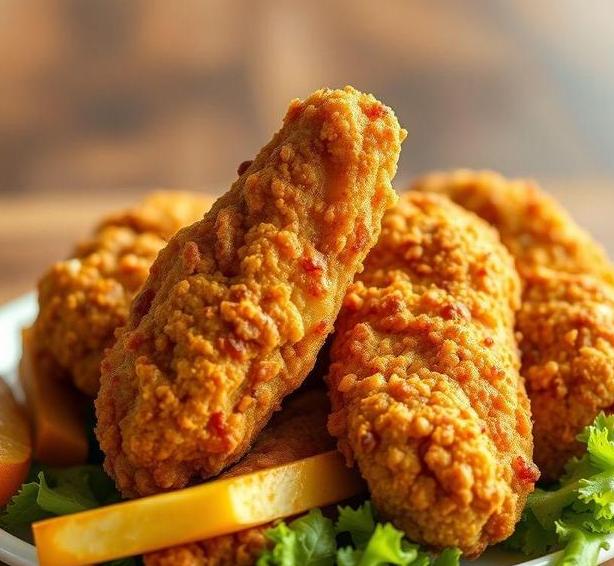
The shelf life of chicken tenders depends on a few different factors, such as whether they’re raw or cooked, and how they’re stored. Let’s break it down:
Raw Chicken Tenders
- In the refrigerator: Raw chicken tenders can last 1 to 2 days in the refrigerator at 40°F or lower. After this, bacteria like Salmonella and E. coli begin to multiply, making the chicken unsafe to eat.
- In the freezer: If you don’t plan on using your raw chicken tenders soon, freezing them is a good option. They can last 6 to 9 months in the freezer without significant loss in quality.
Cooked Chicken Tenders
- In the refrigerator: Cooked chicken tenders, including leftover ones from a meal, last 3 to 4 days in the fridge. The key to preserving their safety and flavor is to store them in an airtight container to prevent air exposure.
- In the freezer: If you want to keep them for longer, cooked chicken tenders can last up to 4 months in the freezer. They will still be safe beyond that time, but the taste and texture may decline.
Common Signs Of Spoilage
It’s easy to overlook the tell-tale signs of spoiled chicken tenders, especially if they’re not clearly moldy or visibly disgusting. However, there are subtle indicators that can help you know when it’s time to toss them.
- Smell: One of the most obvious signs of spoiled chicken tenders is a foul, sour, or rotten smell. Fresh chicken should have a very mild, almost neutral odor, so if there’s any pungency, it’s time to get rid of them.
- Color: Spoiled chicken will usually turn an off-color, like grayish or greenish hues. Fresh chicken tenders should be pale pink in color.
- Texture: If your chicken tenders feel slimy or sticky to the touch, that’s a strong indication of bacterial growth. They should feel firm and moist (but not slick or slimy).
- Visible Mold or Discoloration: Sometimes you might find spots of mold or unusual discoloration. Any visible growth on the chicken means it’s not safe to eat.
- Dryness: While not necessarily dangerous, excessively dry or tough chicken tenders may be an indication they’ve been sitting in the fridge too long, even if they don’t have a noticeable smell or color change. They just won’t be enjoyable to eat!
How To Store Chicken Tenders?
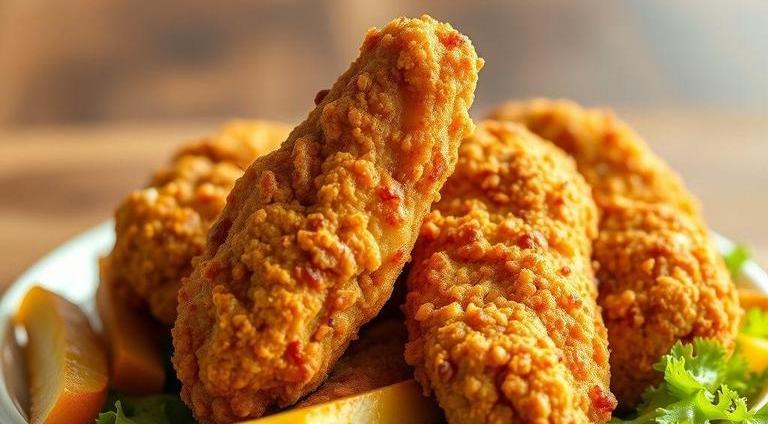
Storing chicken tenders properly is crucial to extending their shelf life and preventing spoilage. Here’s how to do it right:
Raw Chicken Tenders
- Refrigeration: Store raw chicken tenders in their original packaging or place them in an airtight container to prevent exposure to air and bacteria. Always store raw chicken on the bottom shelf of the fridge to avoid cross-contamination with other foods.
- Freezing: If you’re not going to cook them right away, freezing is the best option. Wrap raw chicken tenders tightly in plastic wrap, aluminum foil, or place them in a freezer bag. This prevents freezer burn and helps preserve their texture. You can even portion them out in smaller amounts for easy use later.
Cooked Chicken Tenders
- Refrigeration: Once cooked, let the chicken tenders cool to room temperature (but no longer than two hours) before storing them in the fridge. Store them in an airtight container or wrap them tightly in plastic wrap or foil.
- Freezing: For longer storage, cooked chicken tenders can be frozen just like raw ones. If you’re freezing them, it’s a good idea to freeze them in a single layer first, then transfer them to a sealed container or bag. This helps prevent them from sticking together.
Expert Tips
To make sure your chicken tenders stay as fresh and safe as possible, here are some expert tips for you:
- Don’t Overcrowd the Fridge: Give your chicken tenders space in the fridge so that cold air can circulate. This helps keep them at the right temperature.
- Use a Meat Thermometer: When cooking chicken tenders, make sure the internal temperature reaches 165°F to ensure they are fully cooked and safe to eat.
- Avoid Refreezing: It’s best to never refreeze chicken tenders once they’ve been thawed. Doing so can affect the texture and increase the risk of bacterial growth.
- Label Your Food: If you’ve frozen your chicken tenders, labeling the containers with the date is a great way to ensure you use them before they lose quality.
- Rotate Your Stock: When buying chicken tenders, use the ’first in, first out’ rule. This way, you use up older stock first, reducing the chances of food waste.
FAQs
Can Cooked Chicken Tenders Go Bad?
Yes, cooked chicken tenders can go bad. After being cooked, they should be refrigerated within two hours to prevent bacterial growth. They will typically last 3-4 days in the fridge when stored properly.
How Long Do Cooked Chicken Tenders Last In The Fridge?
Cooked chicken tenders will last in the fridge for about 3-4 days. Make sure they are stored in an airtight container to keep them fresh for longer.
How Can I Tell If Chicken Tenders Have Gone Bad?
To determine if chicken tenders have gone bad, check for signs such as an off smell, slimy texture, or any discoloration. If the tenders have been in the fridge for more than 4 days, it’s best to discard them.
Can Frozen Chicken Tenders Go Bad?
Frozen chicken tenders can go bad if they are not stored properly. They should be kept in a sealed, airtight container or freezer bag to prevent freezer burn, and can last up to 6 months in the freezer.
What Happens If You Eat Chicken Tenders That Have Gone Bad?
Eating chicken tenders that have gone bad can cause foodborne illness. Symptoms may include nausea, vomiting, diarrhea, and abdominal cramps due to bacteria like Salmonella or E. coli.
Can Chicken Tenders Go Bad If Left Out Overnight?
Yes, chicken tenders can go bad if left out at room temperature for more than 2 hours. Bacteria can multiply quickly in cooked food when it’s left unrefrigerated, making it unsafe to eat.
Can You Eat Chicken Tenders After The Use-by Date?
It is not advisable to eat chicken tenders after the use-by date. The use-by date is a safety indicator, and consuming them after this time could lead to foodborne illness, even if they appear fine.
How Should I Store Leftover Chicken Tenders To Prevent Them From Going Bad?
Store leftover chicken tenders in an airtight container or tightly wrapped in plastic wrap or aluminum foil in the fridge. Make sure to refrigerate them within two hours of cooking to keep them safe.
Can I Reheat Chicken Tenders After They’ve Gone Bad?
It is not safe to reheat chicken tenders that have gone bad. If the tenders show signs of spoilage, such as an off smell, texture, or color, they should be discarded to avoid food poisoning.
What Is The Best Way To Freeze Chicken Tenders To Prevent Them From Going Bad?
To freeze chicken tenders effectively, wrap them tightly in plastic wrap or foil and place them in an airtight freezer bag or container. Label the package with the date to ensure they are used within 6 months for optimal quality.