Flaky pastries are a beloved indulgence in the world of baking, with their delicate, buttery layers and irresistible crispiness. Whether it’s a croissant, puff pastry, or a savory turnover, flaky pastries are a treat that can elevate any meal or snack. But if you’re like most pastry enthusiasts, you’ve probably wondered: How long can these heavenly bites last before they start to go bad? Do they spoil the way other baked goods do? Let’s break it down in detail.
In this article, we’ll dive deep into the life cycle of flaky pastries, from their shelf life to how to spot spoilage and store them properly. If you’ve ever opened up a box of croissants to find them stale or gone moldy, you’ll definitely want to pay attention to the storage tips I’ll be sharing!
Can Flaky Pastries Go Bad?
Absolutely! While flaky pastries have a reputation for their rich, fresh taste right out of the oven, they are perishable, like all baked goods. It’s not just about how long they stay fresh in flavor, but also about their structural integrity-think of that delightful crispiness turning soggy or chewy after a few days.
Here’s why flaky pastries can go bad:
- Butter Content: The high butter content in pastries is a major factor in their short shelf life. Butter can spoil or go rancid over time, especially when not stored properly.
- Moisture Retention: The delicate layers of puff pastry are designed to hold moisture, but once exposed to air or improper storage, they can absorb moisture from the environment, resulting in soggy or stale pastries.
- Yeast and Dough: In some flaky pastries, like croissants, yeast or dough fermentation plays a role. After a while, they can lose their fresh yeast-driven aroma or develop an off-taste if stored improperly.
Even though these pastries are decadent, they are still susceptible to spoilage over time. So, while they don’t "go bad" in the same way raw foods do (like meat or dairy), they certainly lose quality, flavor, and texture, especially if left at room temperature for too long.
Shelf Life For Flaky Pastries
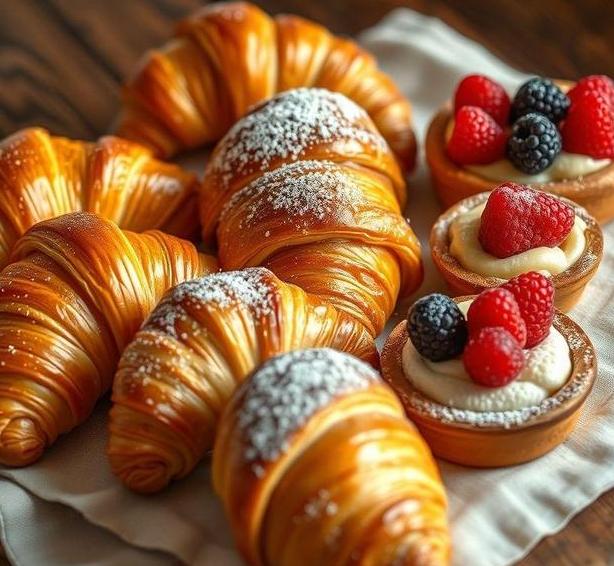
The shelf life of flaky pastries can vary based on factors like the specific type of pastry, ingredients, and storage conditions. Generally speaking:
- At Room Temperature: Most flaky pastries, such as croissants or puff pastries, will last about 1 to 2 days at room temperature, depending on how fresh they were when purchased or baked. After that, you might notice them becoming dry and less flaky.
- In the Refrigerator: If you want to extend their freshness slightly, you can store them in the fridge for 3 to 5 days. However, refrigeration can cause the pastries to lose some of their crispy texture. It may also cause them to dry out, especially if they aren’t properly wrapped.
- Frozen: If you want your flaky pastries to last for weeks, freezing is the way to go. Most pastries can be stored in the freezer for up to 1 month without a significant loss of quality. After that, they may start to lose flavor or become overly dry when reheated.
Common Signs Of Spoilage
Knowing how to spot signs of spoilage is essential for getting the most out of your pastries. Here’s what to look out for:
- Staleness: This is one of the first signs of spoilage. The flaky, crisp texture will turn into something more rigid and dry. While not dangerous, stale pastries lose their charm, and you might not want to eat them. They will also start to lose their flavor and become overly dry to the bite.
- Sogginess or Mushiness: This happens when flaky pastries have absorbed too much moisture, either from the air or improper storage. Instead of the light, flaky layers you expect, you’ll have a dense, soggy texture. This could also indicate that the pastry is starting to spoil or develop mold.
- Off Odor: The smell of rancid butter or old dough is an unmistakable sign that your pastry has gone bad. Fresh flaky pastries should have a subtle buttery aroma that’s pleasant and appetizing. If they start to smell sour, fermented, or just “off”, discard them immediately.
- Mold: This is the most obvious and concerning sign of spoilage. Mold can appear in small patches or cover the entire surface, often showing up in moist areas where the pastry has become soggy. If you see mold, toss it right away-it can be harmful to your health.
- Discoloration: If the pastry begins to change color, especially around the edges, it may be a sign of oxidation or mold growth. Pastries that have been left exposed to air for too long or improperly stored can discolor in spots, especially if the butter has begun to go bad.
How To Store Flaky Pastries?
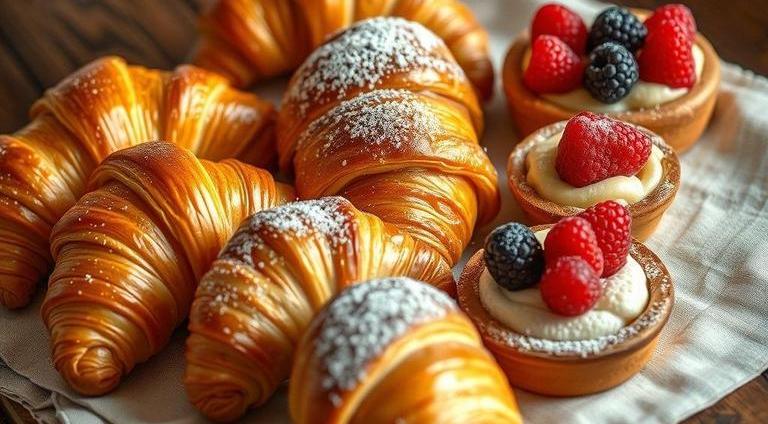
Proper storage is essential for maintaining the freshness and texture of flaky pastries. Here’s how you can store them for maximum longevity:
Room Temperature Storage
- Use an airtight container or wrap them tightly: This prevents air from drying them out. Ideally, you should store pastries in a container that seals out moisture and helps retain their crisp texture.
- Do not store them in plastic bags: Plastic can trap moisture, which will make the pastry soggy and soft. Use parchment paper or wax paper inside a container if you don’t have a dedicated pastry box.
Refrigeration Storage
- Wrap in foil or wax paper: If you’re storing them in the fridge, wrap your pastries in foil or wax paper before placing them in a plastic bag or airtight container. This will help prevent them from drying out too quickly.
- Do not refrigerate with fillings: Pastries with creamy or perishable fillings (like custard or cream cheese) should be eaten within 1 to 2 days, or they could spoil faster in the fridge.
Freezer Storage
- Wrap well in plastic wrap or foil: Freezing flaky pastries is an excellent way to preserve them for longer. Wrap them individually or in groups of 2-3, making sure they’re airtight.
- Use a freezer bag or vacuum-seal: Place the wrapped pastries in a freezer bag or vacuum-seal them to prevent freezer burn. Proper sealing is key for preserving the quality of flaky pastries in the freezer.
- Thaw correctly: To retain their texture, thaw the pastries at room temperature or reheat them in the oven at a low temperature. Don’t microwave them, as this will make them soggy.
Expert Tips
- Reviving Stale Pastries: If your flaky pastries have gone a bit stale but aren’t moldy, you can revive them in the oven! Place them in a preheated oven at 350°F (175°C) for 5-10 minutes. The heat will help bring back some of that flaky, crisp texture.
- Use a Pastry Box for Storage: If you’re storing croissants or other delicate pastries, a pastry box is an excellent tool. It’s specially designed to keep the air circulating around the pastries, preventing them from becoming too soggy.
- Reheat Before Eating: If you’ve stored your pastries in the fridge or freezer, don’t just eat them cold. Reheating in the oven or toaster oven can bring them back to life, improving their taste and texture significantly.
- Do Not Overfill with Cream or Custard: Pastries with heavy fillings are more prone to spoilage, so be careful if you plan to store those. For long-term storage, it’s best to keep the filling separate and add it just before serving.
FAQs
Can Flaky Pastries Go Bad?
Yes, flaky pastries can go bad over time. Like most baked goods, they have a shelf life that depends on storage conditions. If not stored properly, they can become stale, soggy, or even develop mold.
How Long Do Flaky Pastries Last?
Flaky pastries typically last 1-2 days at room temperature when stored in an airtight container. If refrigerated, they may last up to a week. Freezing can extend their shelf life for up to 2-3 months.
What Signs Indicate That Flaky Pastries Have Gone Bad?
Signs of spoiled flaky pastries include mold, an off or sour smell, changes in texture (such as becoming soggy or excessively dry), and discoloration.
Can I Eat Flaky Pastries After Their Expiration Date?
While flaky pastries may still be safe to eat a few days after the expiration date if stored properly, they may lose flavor, freshness, and texture. Always check for mold, strange smells, or other signs of spoilage before consuming.
How Should I Store Flaky Pastries To Keep Them Fresh?
To keep flaky pastries fresh, store them in an airtight container at room temperature. If you plan to keep them for more than a few days, refrigeration or freezing can help preserve their freshness.
Can I Freeze Flaky Pastries To Extend Their Shelf Life?
Yes, you can freeze flaky pastries. Wrap them tightly in plastic wrap or foil, then place them in a freezer-safe bag or container. To enjoy them later, reheat them in the oven to restore their crispness.
Do Flaky Pastries Lose Their Texture When Stored In The Fridge?
Yes, flaky pastries can lose their crisp texture when refrigerated, as the cold causes the layers to become softer. To prevent this, reheat them in the oven for a few minutes before eating.
How Can I Tell If A Flaky Pastry Has Been Improperly Stored?
Improperly stored flaky pastries may become soft, soggy, or stale quickly. If stored in a humid environment, they may even start to develop a sticky or wet surface. This indicates that air and moisture have compromised the pastry’s texture.
Can Flaky Pastries Be Stored In A Paper Bag?
A paper bag can be used for short-term storage of flaky pastries, but it is not ideal for long-term preservation. While it allows the pastry to breathe, it can cause the pastry to dry out more quickly. A more airtight container is preferred.
Are There Any Specific Types Of Flaky Pastries That Go Bad Faster Than Others?
Pastries with fillings, such as cream, custard, or fruit, tend to spoil faster than plain flaky pastries like croissants or puff pastries. These fillings can degrade, spoil, or cause the pastry to become soggy more quickly.