When it comes to a classic, hearty meal, few things beat a tender, juicy beef steak. Whether you’re searing it on a grill, pan-frying it to perfection, or slow-cooking it for a melt-in-your-mouth experience, beef steak is undeniably a crowd-pleaser. However, if you’ve ever bought a steak and wondered, “How long can this last in the fridge”? or ’How do I know if it”s still good”?-you’re not alone. Beef, like all meat, has a shelf life, and knowing how to store it properly can make all the difference in taste, texture, and food safety. So, let’s dig into the details of how long your beef steak can last, how to tell when it’s gone bad, and most importantly-how to keep it fresh for as long as possible.
Can Beef Steak Go Bad?
Absolutely, beef steak can go bad, just like any other perishable food. The meat itself is full of moisture and proteins, which are prime breeding grounds for bacteria. The growth of harmful microorganisms, such as Salmonella, E. coli, or Listeria, can lead to foodborne illnesses. As time passes, even under the best storage conditions, beef steak will eventually spoil. The key here is that it’s not just about how long the steak has been in your fridge or freezer-it’s about how it has been handled and stored from the moment it was purchased.
- Unrefrigerated beef steak: If left out at room temperature for too long, it can spoil quickly. Bacteria grow exponentially in the ’danger zone’ (40°F to 140°F). If a steak has been left out for more than two hours, it’s best to discard it.
- Refrigerated beef steak: In the fridge, beef steak can last for a few days, but its quality will deteriorate over time. The key to extending the shelf life of beef steak is proper storage and handling, starting from when you first bring it home from the butcher or grocery store.
Shelf Life For Beef Steak
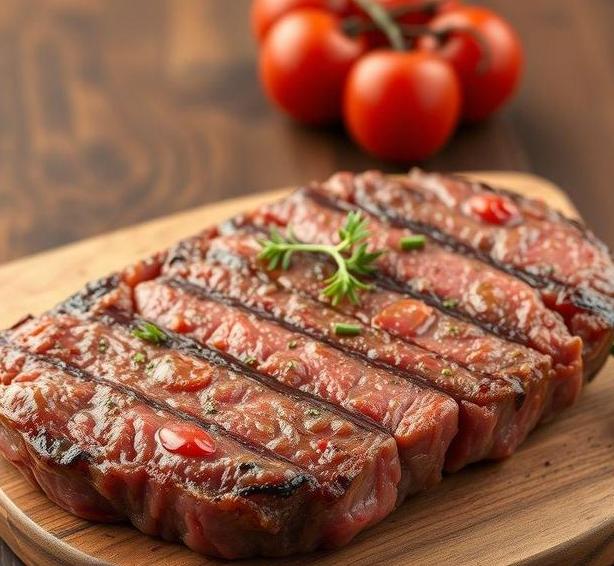
The shelf life of beef steak depends on several factors, including how fresh the meat was when you purchased it, how it’s been stored, and whether it’s raw or cooked. Here’s a breakdown:
Raw Beef Steak
- In the refrigerator (32°F to 40°F): Raw beef steak will last between 3 to 5 days. If you’re planning to use it within that window, store it in the coldest part of the fridge, ideally in the back. Always ensure it’s wrapped tightly in plastic wrap, aluminum foil, or placed in an airtight container to prevent contamination from other foods.
- In the freezer (0°F): Raw beef steak can last much longer in the freezer-6 to 12 months. Freezing prevents bacteria growth by halting it entirely, but note that the longer the steak is frozen, the more it can lose moisture and flavor upon thawing.
Cooked Beef Steak
- In the refrigerator: Once your steak has been cooked, it’s best to eat it within 3 to 4 days. While refrigeration slows bacterial growth, it doesn’t stop it completely.
- In the freezer: If you need to store cooked steak for a longer period, it can last up to 2 to 6 months in the freezer. However, keep in mind that the quality will deteriorate with time, especially in terms of flavor and texture.
Common Signs Of Spoilage
It’s essential to check your beef steak for signs of spoilage to avoid any potential food safety issues. Here are the most common red flags to watch out for:
Unpleasant Smell
- Fresh beef steak should have a clean, slightly metallic scent. If it has a sour, rancid, or off-putting odor, it’s a sure sign that the meat has gone bad and should be discarded.
- A pungent, “sulfur-like” smell indicates bacterial growth, and that’s not something you want anywhere near your plate.
Discoloration
- Beef steak typically has a deep red color due to the presence of myoglobin, a protein that carries oxygen in the muscle tissues. Over time, the surface of the meat might turn brownish or grayish, but this is generally a sign of oxidation, not spoilage.
- However, if you notice any green, gray, or iridescent (rainbow-like) colors on the surface, it could indicate that the steak is spoiled.
Slimy Texture
- If the steak feels slimy or sticky to the touch, it’s a sign that bacteria have started to break down the proteins, leading to spoilage.
- This texture change is often accompanied by an unpleasant odor as well.
Excessive Dryness Or Freezer Burn (for Frozen Steak)
- If you’ve kept steak in the freezer for a long time, the meat can develop freezer burn, which occurs when air reaches the meat’s surface, causing it to dry out and form grayish, leathery patches.
- While it’s still safe to eat (as long as it has been stored properly), the texture and flavor will suffer.
Mold
- If you spot any fuzz or powdery growth on the surface of your steak, it’s time to throw it away. Mold can form when the meat has been improperly stored, especially if it was exposed to air or humidity for too long.
How To Store Beef Steak?
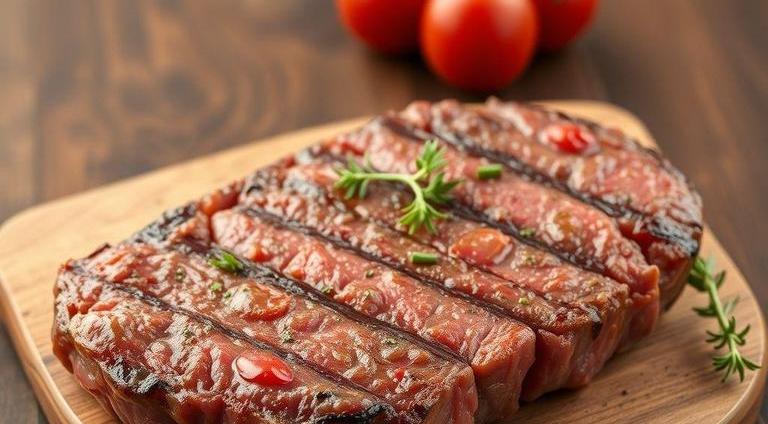
Proper storage of beef steak can significantly extend its freshness and prevent spoilage. Here’s how you can store it effectively:
In The Refrigerator
- Wrap It Well: Make sure to wrap raw beef steak tightly in plastic wrap, wax paper, or aluminum foil to keep it from drying out and to reduce exposure to air. You can also use a sealed container or a vacuum-sealed bag for extra protection.
- Store in the Coldest Spot: Place your beef steak on the bottom shelf of the fridge where it’s coldest. Avoid storing raw meat near other foods to reduce the risk of cross-contamination.
- Use a Fridge Thermometer: Ensure your fridge is set to 40°F or below. If it’s any warmer, spoilage can occur more quickly.
In The Freezer
- Freezing Raw Steak: For longer storage, freeze the steak immediately after purchasing. Wrap it tightly in heavy-duty freezer bags, vacuum-sealed bags, or plastic wrap, and try to remove as much air as possible. Label it with the date so you know how long it’s been stored.
- Freezing Cooked Steak: Cool your cooked steak thoroughly before wrapping it in plastic wrap or foil and placing it in a freezer-safe container. To maintain flavor, you can also wrap it in parchment paper and then place it in a freezer bag to prevent freezer burn.
Thawing Beef Steak
- In the Refrigerator: For best results, always thaw frozen steak in the fridge, not on the counter. It can take a few hours or up to a day, depending on the thickness of the cut.
- In Cold Water: If you’re short on time, you can thaw steak faster by sealing it in a plastic bag and submerging it in cold water. Change the water every 30 minutes. Never thaw at room temperature, as this can promote bacterial growth.
Expert Tips
- Don’t Overcrowd Your Fridge: Too many items in the fridge can impede airflow, preventing your beef steak from staying as cold as it should. Keep your fridge organized and leave some space for air circulation.
- Use a Meat Thermometer: If you’re cooking your steak, consider using a meat thermometer to ensure it’s cooked safely. Beef should reach an internal temperature of 145°F for medium-rare, with a 3-minute rest time before eating.
- Don’t Refreeze: Once your steak has been thawed, don’t refreeze it unless it’s cooked. Refreezing raw meat can cause a loss of quality and texture.
FAQs
How Can You Tell If Beef Steak Has Gone Bad?
You can tell if beef steak has gone bad by checking its color, texture, and smell. Spoiled beef will typically have a slimy or sticky texture, a sour or off-putting odor, and a change in color, such as turning brown or gray.
How Long Does It Take For Beef Steak To Go Bad In The Fridge?
Beef steak can last 3 to 5 days in the fridge if stored properly at or below 40°F (4°C). After this time, the risk of bacterial growth increases, and the steak should be discarded.
Can Beef Steak Go Bad If Frozen?
Freezing beef steak can extend its shelf life, but it doesn’t stop spoilage entirely. Beef can be stored in the freezer for 6 to 12 months, although its quality may degrade over time.
What Happens If You Eat Beef Steak That Has Gone Bad?
Eating spoiled beef steak can lead to foodborne illnesses, with symptoms including nausea, vomiting, diarrhea, and stomach cramps due to bacterial contamination like Salmonella or E. coli.
Does Beef Steak Go Bad Faster If Left Out?
Yes, beef steak can go bad much faster if left at room temperature. The USDA recommends not leaving raw beef out for more than 2 hours to avoid the growth of harmful bacteria.
Can Cooked Beef Steak Go Bad?
Yes, cooked beef steak can go bad as well. It should be stored in the fridge within 2 hours of cooking and can last 3 to 4 days. After this period, it is best to discard it to avoid health risks.
Can Beef Steak Go Bad If It’s Vacuum-sealed?
Vacuum-sealing beef steak can extend its shelf life by removing air, which slows down bacterial growth. However, even vacuum-sealed beef will eventually go bad if stored for too long, typically lasting 1 to 2 weeks in the fridge and up to 1 year in the freezer.
What’s The Best Way To Store Beef Steak To Prevent It From Going Bad?
To prevent beef steak from going bad, store it in the coldest part of the fridge at 40°F (4°C) or lower. For longer storage, freeze the steak in an airtight container or vacuum-sealed bag to preserve its quality.
How Long Can Beef Steak Be Stored In The Freezer Before It Goes Bad?
Beef steak can be stored in the freezer for 6 to 12 months. However, for optimal flavor and texture, it’s best to use it within 3 to 6 months.
Can Beef Steak Be Unsafe To Eat After The Sell-by Date?
The sell-by date is an indicator of when the beef steak should be sold or used by for optimal quality. It’s not a safety date, but if the steak has been properly stored and shows no signs of spoilage, it may still be safe to eat for a few days after this date.