Rotisserie chicken has earned a special place in our hearts and kitchens-whether you’re picking it up from the supermarket after a long day or roasting your own at home, it’s an easy, flavorful, and versatile meal option. But, like any food, it has its shelf life, and it’s crucial to know when it’s no longer safe to eat. Nobody wants to end up with a stomach ache because they ignored the signs of spoilage.
So, how long can you keep that tasty rotisserie chicken around? When does it go bad, and how can you tell? What’s the best way to store it so it lasts as long as possible? Let’s dive into all of this, so you can make the most of your rotisserie chicken without the worry.
Can Rotisserie Chicken Go Bad?
Absolutely, rotisserie chicken can go bad, just like any other type of cooked meat. While it might seem like it could last forever because it’s rotisserie-cooked to perfection, bacteria and mold can still develop after a certain amount of time.
Here’s the deal: when you roast chicken, you kill off harmful bacteria at that high cooking temperature. However, as soon as it cools down and exposure to air increases, it becomes a breeding ground for bacteria, especially if it’s not stored properly. Left too long, rotisserie chicken can become unsafe to eat, so it’s crucial to understand the proper handling and storage methods.
But, how long exactly does it last? Well, that depends on a few factors-let’s explore the details.
Shelf Life For Rotisserie Chicken
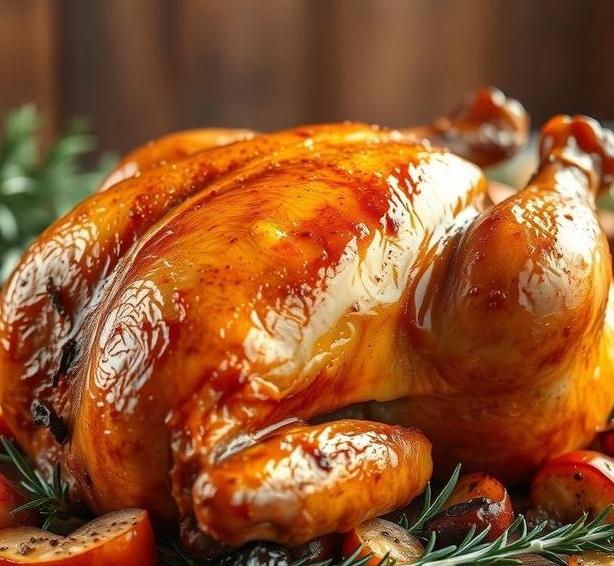
The shelf life of rotisserie chicken depends largely on how it’s stored, whether it’s whole or shredded, and how soon it’s consumed after being cooked. As a general rule, rotisserie chicken lasts about:
-
In The Fridge (whole Or Shredded)
- 3 to 4 days. This assumes your fridge is kept at a steady temperature of 40°F (4°C). After that, the risk of bacterial growth increases.
-
In The Freezer
- 4 months. If you decide to freeze your leftover rotisserie chicken for future use, it’s best to do so within 2 hours of cooking, ideally while the chicken is still warm. If frozen, the chicken stays good for around 4 months before the quality starts to decline (though it may remain safe to eat beyond that, it could lose flavor and texture).
-
At Room Temperature
- 2 hours. Cooked chicken shouldn’t be left out at room temperature for more than 2 hours, or 1 hour if the room temperature is over 90°F (32°C). Beyond that, bacteria like Salmonella and Campylobacter can rapidly multiply, making the chicken unsafe to consume.
Common Signs Of Spoilage
Even though rotisserie chicken has a relatively short shelf life, it’s often easy to spot when it’s gone bad. Here are the common signs to watch for:
-
Smell
- The first giveaway is always the smell. If the chicken starts to smell sour, off, or just ’funny’ in any way, it’s best to toss it. The smell of spoilage usually comes from bacteria or mold that has begun to grow, so don’t take chances.
-
Texture
- Fresh rotisserie chicken should be juicy and tender. If the meat feels slimy or sticky, that’s a sign of bacterial growth. Sometimes, it may feel mushy if left too long in the fridge. If you notice a slimy texture, it’s definitely time to say goodbye to that chicken.
-
Color
- Spoiled chicken may show signs of discoloration. The meat could turn grayish or develop a greenish tint. If it does, that’s a definite red flag that something has gone wrong.
-
Taste
- Though you can usually tell just by looking, touching, and smelling if your chicken has gone bad, it’s not a bad idea to take a small taste if you’re unsure. If the chicken tastes off, sour, or strange, don’t eat it.
How To Store Rotisserie Chicken?
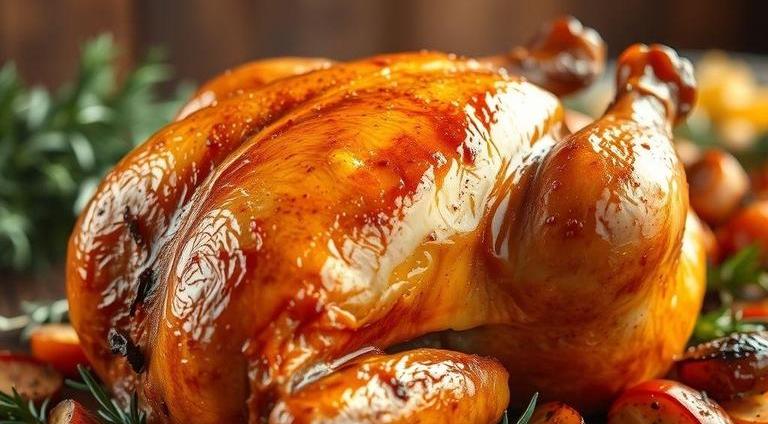
Proper storage is key to maximizing the shelf life of rotisserie chicken. Here’s how to do it right:
-
In The Fridge
- Cool it down fast: After getting home, let the chicken cool to room temperature for no more than 2 hours. This helps to reduce the amount of time the chicken spends in the ’danger zone’ (between 40°F and 140°F) where bacteria thrive.
- Store in airtight containers: Place your chicken in an airtight container or tightly wrap it in plastic wrap or aluminum foil. This prevents air from getting in and slows down the growth of bacteria.
- Avoid leaving it on the bone: If you can, take the meat off the bone. Shredded chicken typically lasts a little longer in the fridge than whole pieces because it cools more quickly and is easier to store.
-
In The Freezer
- Use freezer-safe containers: Wrap the chicken in freezer-safe plastic wrap or place it in a vacuum-sealed bag to prevent freezer burn.
- Label and date: Always label the container with the date of freezing so you can keep track of how long it’s been stored.
- Freeze in portions: If you don’t think you’ll use it all at once, freeze it in smaller portions. That way, you can thaw just what you need.
- Avoid leaving the chicken exposed: When it comes to rotisserie chicken leftovers, never leave it sitting uncovered in the fridge. This can lead to dehydration and spoilage much faster. Airtight wrapping is essential for maintaining both quality and safety.
Expert Tips
If you want to get the most out of your rotisserie chicken, here are some expert tips to help you out:
- Don’t eat leftovers after 4 days: Even though you might be tempted to eat leftovers after a few days, 3-4 days is the maximum window for rotisserie chicken in the fridge. If you don’t plan on finishing it, freeze it.
- When reheating, make sure it’s hot all the way through: When you reheat rotisserie chicken, always make sure it reaches a safe internal temperature of 165°F (74°C) to kill off any potential bacteria.
- Make stock or broth: If you have leftover bones, don’t toss them! Use them to make chicken stock or broth. You can boil the bones with some vegetables, herbs, and spices for a tasty, homemade stock.
- Use within 24 hours for best flavor: If you know you won’t be eating the chicken within a day, shred it and freeze it. The fresher the chicken when you freeze it, the better the flavor and texture will be when you reheat it.
- Be cautious with prepackaged rotisserie chicken: If you buy a rotisserie chicken from a supermarket, check the sell-by date and make sure you eat it by that date. Some grocery stores also inject their rotisserie chickens with extra seasonings or preservatives, which might extend shelf life by a little bit, but still don’t leave it too long.
FAQs
How Long Can Rotisserie Chicken Last In The Fridge?
Rotisserie chicken can last 3 to 4 days in the fridge when stored properly in an airtight container or wrapped tightly in plastic wrap or foil.
Can You Eat Rotisserie Chicken After 5 Days?
It is not recommended to eat rotisserie chicken after 5 days, as bacteria can multiply, increasing the risk of foodborne illness.
How Can I Tell If Rotisserie Chicken Has Gone Bad?
Signs that rotisserie chicken has gone bad include a sour or off smell, slimy texture, or a change in color. If any of these signs are present, it should be discarded.
Can Rotisserie Chicken Be Frozen?
Yes, rotisserie chicken can be frozen for up to 4 months. Be sure to remove the meat from the bones and store it in an airtight container or freezer-safe bag.
How Long Can Rotisserie Chicken Last In The Freezer?
Rotisserie chicken can last up to 4 months in the freezer. After that, its quality may deteriorate, though it will still be safe to eat if properly stored.
Can I Leave Rotisserie Chicken Out Overnight?
No, rotisserie chicken should not be left out at room temperature for more than 2 hours. Bacteria grow rapidly between 40°F and 140°F, making it unsafe to consume after being left out too long.
What Is The Best Way To Store Leftover Rotisserie Chicken?
The best way to store leftover rotisserie chicken is to remove the meat from the bones and place it in an airtight container. Refrigerate the chicken immediately and consume within 3 to 4 days.
Can Rotisserie Chicken Go Bad If It Is Kept In The Car?
Yes, rotisserie chicken can go bad if kept in the car for an extended period, especially in warm temperatures. It is recommended to refrigerate or keep it in a cooler with ice if you’re transporting it for a long time.
Does Reheating Rotisserie Chicken Kill Bacteria?
Reheating rotisserie chicken to an internal temperature of 165°F (74°C) can kill most bacteria. However, if the chicken has been stored improperly or left out too long, reheating may not make it safe to eat.
Can Rotisserie Chicken Go Bad Even If It’s In Its Original Packaging?
Yes, rotisserie chicken can go bad even in its original packaging, especially if it has been opened. The packaging does not prevent bacteria growth once exposed to air, so it’s important to refrigerate it promptly.