Vacuum sealing is an incredibly popular method for preserving food, especially meats. By removing air from the packaging, it helps prevent the growth of bacteria, mold, and other microorganisms that lead to spoilage. But even with this advanced method of preservation, there’s always a question that lingers in the back of our minds: can vacuum-sealed meat go bad?
This process does extend the shelf life of meats far beyond that of traditional packaging, but like any food preservation technique, it’s not foolproof. Vacuum-sealed meat can still spoil if not handled properly. Understanding how vacuum sealing works and what happens to meat over time can help you ensure that the food you store is safe to consume. Let’s break down all the essentials you need to know to keep your vacuum-sealed meats in top condition.
Can Vacuum Sealed Meat Go Bad?
Yes, vacuum-sealed meat can absolutely go bad, but it does so in ways that differ from meats stored conventionally. When you vacuum seal meat, you’re creating an environment that’s low in oxygen, which helps to delay the growth of bacteria and molds that require oxygen to thrive. However, this doesn’t mean the meat is impervious to spoilage or bacterial growth. The seal may break, bacteria can still grow under certain conditions, and the meat’s internal enzymes can continue to break down, albeit at a slower pace.
There are a few factors that can cause vacuum-sealed meat to spoil:
- Temperature: Storing meat at improper temperatures can cause it to spoil quickly. If the meat is not stored at the correct temperature, the vacuum-seal becomes irrelevant.
- Seal Integrity: If the vacuum-seal is compromised (e.g., punctured or improperly sealed), the meat will begin to deteriorate faster because it’s exposed to air.
- Time: Even vacuum-sealed meat has a shelf life. Over time, the meat will lose quality in terms of texture and flavor, and eventually, spoil.
Shelf Life For Vacuum Sealed Meat
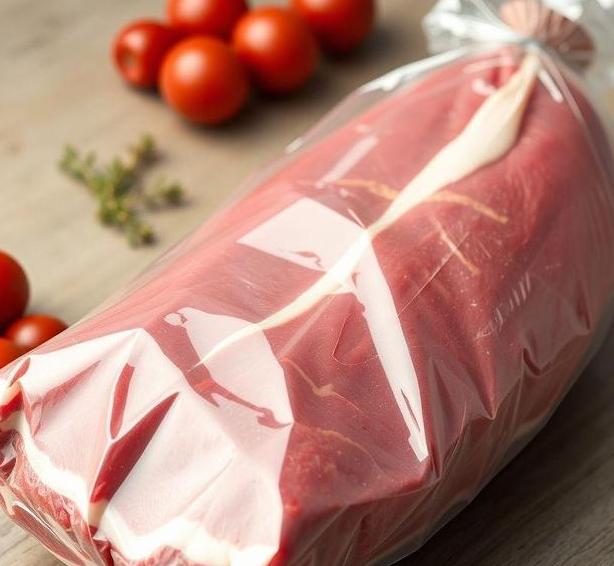
The shelf life of vacuum-sealed meat depends on the type of meat, the storage conditions, and whether it was processed before sealing. However, in general, vacuum-sealed meat lasts much longer than non-vacuum-sealed counterparts. Here’s a breakdown of typical shelf lives for various meats:
-
Beef
- Frozen: 2 to 3 years
- Refrigerated: 1 to 2 weeks
-
Pork
- Frozen: 2 to 3 years
- Refrigerated: 1 to 2 weeks
-
Chicken
- Frozen: 1 to 2 years
- Refrigerated: 1 week
-
Fish (non-fatty)
- Frozen: 1 to 2 years
- Refrigerated: 1 week
-
Fish (fatty)
- Frozen: 6 to 12 months
- Refrigerated: 2 to 3 days
-
Ground Meat
- Frozen: 1 year
- Refrigerated: 1 to 2 days
Factors Influencing Shelf Life
- Storage Temperature: The colder the temperature, the longer the shelf life.
- Meat Type: Red meats like beef and pork generally last longer than poultry and fish.
- Quality of the Seal: A good vacuum seal that’s intact ensures the longest shelf life.
- Presence of Oxygen: While vacuum sealing removes a lot of oxygen, some trace amounts can still affect meat over time, especially if not sealed properly.
Common Signs Of Spoilage
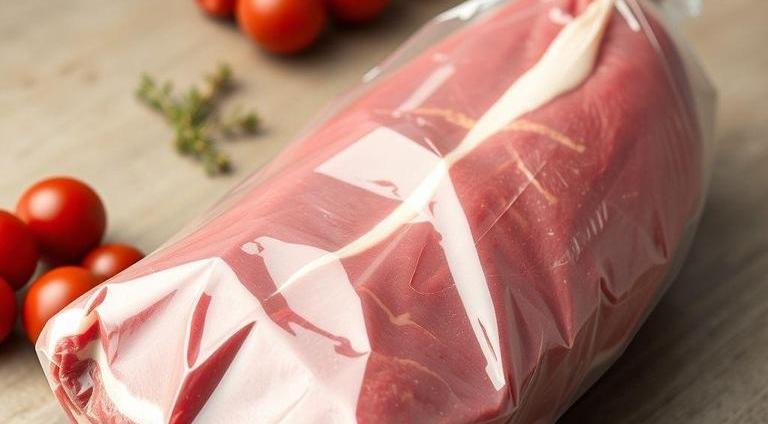
Even though vacuum sealing dramatically extends the freshness of meat, it’s still important to know when it’s gone bad. Here are common signs to watch for:
Discoloration
- Red meats (like beef and lamb) tend to turn brown or gray when they spoil. The vacuum-sealed bag may also become discolored.
- Poultry can become a dull grayish color when bad, while fresh fish will turn an off-white or yellowish color.
Off Odor
- Spoiled meat usually gives off a sour, rancid, or rotten odor. If you smell anything off, even if the meat still appears to be sealed, it’s best to toss it.
Slimy Texture
- When meat begins to spoil, the proteins start breaking down, leading to a slimy or sticky texture. This is a clear sign of bacterial growth.
Leaky Bags
- If the vacuum-sealed bag is leaking or has holes, air has been allowed to enter, making the preservation ineffective. This can quickly lead to spoilage.
Excessive Ice Crystals In Frozen Meat
- While a few ice crystals are normal in frozen meat, an excessive buildup can indicate that the meat has been thawed and refrozen, which accelerates spoilage.
Changes In Appearance (Cloudy Or Bloated Packaging)
- If you notice that the bag is puffing up or appears cloudy, it could be a sign that bacteria have begun to ferment the meat.
How To Store Vacuum Sealed Meat?
Proper storage is key to maintaining the freshness of your vacuum-sealed meat. Here are some guidelines to follow:
Freezing
- Ideal Temperature: Vacuum-sealed meat should be stored at or below 0°F (-18°C) to maintain its shelf life.
- Freezer Organization: Store vacuum-sealed bags in an organized manner, ensuring they’re not punctured by sharp objects. Avoid stacking too many bags on top of each other to allow for air circulation.
Refrigeration
- If you’re planning to consume the meat soon, it can be stored in the fridge for a few days to a couple of weeks, depending on the type of meat.
- Keep your refrigerator temperature at or below 40°F (4°C) to slow down bacterial growth.
Avoid Direct Contact With Water
- Do not submerge vacuum-sealed meat in water to thaw or store it. This could cause the seal to break, allowing bacteria to enter and spoil the meat.
Labeling And Rotation
- Label each vacuum-sealed package with the date it was sealed. This helps you track its age and ensures that older meat is used first.
- Rotate your stock by using the “first in, first out” method. This ensures you consume the oldest meat before it passes its shelf life.
Expert Tips
-
Use High-Quality Bags
- Not all vacuum-seal bags are created equal. Opt for bags that are specifically designed for long-term food storage, as these are thicker and more resistant to punctures.
-
Don’t Overfill The Bags
- Leave a little room at the top of the bag when sealing meat. This ensures the meat can be fully sealed, preventing air pockets.
-
Avoid Storing Vacuum-Sealed Meat In Warm Areas
- Always store vacuum-sealed meat in cold, dry places. Storing it near heat sources or in areas with fluctuating temperatures can cause the seal to fail.
-
Flash Freeze Before Vacuum Sealing
- If you’re sealing fresh meat, it’s a good idea to freeze it briefly before vacuum sealing. This helps the meat retain its shape and texture, especially for cuts like steaks and chicken breasts.
-
Check The Seal Before Storing
- Make sure the seal is tight and there are no leaks. You can check the seal by gently pressing on the bag; if air escapes, you may need to re-seal it.
FAQs
Can Vacuum Sealed Meat Go Bad If It’s Stored Properly?
Yes, vacuum sealed meat can still go bad over time, even if stored properly. While vacuum sealing extends the shelf life by reducing exposure to air, it doesn’t stop bacterial growth completely. Factors like temperature fluctuations or improper sealing can cause spoilage.
How Long Can Vacuum Sealed Meat Last In The Refrigerator?
Vacuum sealed meat typically lasts 1 to 3 weeks in the refrigerator, depending on the type of meat. Ground meat and poultry usually last less than steaks or roasts. Always check the packaging for specific recommendations.
Can Vacuum Sealed Meat Be Frozen, And How Long Will It Last?
Yes, vacuum sealed meat can be frozen, and it can last much longer than when refrigerated. In the freezer, vacuum sealed meat can last anywhere from 6 months to 3 years, depending on the meat type, with beef lasting longer than poultry.
Does Vacuum Sealing Eliminate The Risk Of Bacterial Growth In Meat?
Vacuum sealing significantly reduces the oxygen supply that bacteria need to grow, but it does not entirely eliminate the risk of bacterial growth. If the meat was contaminated before sealing or stored improperly, bacteria like listeria or salmonella can still develop.
How Can I Tell If Vacuum Sealed Meat Has Gone Bad?
Signs of bad vacuum sealed meat include a sour or off smell, slimy texture, discoloration (especially gray or brown spots), and the presence of excessive liquid inside the packaging. If you notice any of these signs, discard the meat immediately.
Can Vacuum Sealed Meat Still Go Bad If There Are No Visible Signs Of Spoilage?
Yes, even without visible spoilage signs, vacuum sealed meat can still become unsafe to eat due to bacterial growth, especially if the meat was not properly sealed or stored. It’s important to always check the expiration date and follow proper storage guidelines.
Is Vacuum Sealed Meat Safe To Eat After The Expiration Date?
It is not recommended to eat vacuum sealed meat after the expiration date. While vacuum sealing may extend its shelf life, meat can spoil and pose food safety risks even if it looks fine. Always adhere to the packaging’s sell-by or use-by dates for safety.
Can I Vacuum Seal Meat At Home And Expect It To Last As Long As Store-bought Vacuum Sealed Meat?
Home vacuum sealing can extend the shelf life of meat, but it may not last as long as professionally sealed meat. Commercial vacuum sealing typically uses specialized equipment and sometimes includes preservatives, which can help it last longer. Proper home sealing and freezing are crucial for optimal preservation.
How Does Vacuum Sealing Affect The Taste And Texture Of Meat Over Time?
While vacuum sealing preserves the taste and texture of meat for an extended period, freezing vacuum sealed meat for long durations can affect its texture, making it drier or more crumbly. The flavor remains intact but may lose some freshness if kept for too long.
Can Vacuum Sealed Meat Go Bad Due To Improper Sealing?
Yes, improper sealing can lead to air exposure, which accelerates the spoilage process. If the vacuum seal is not airtight, the meat is more likely to develop bacteria, mold, or freezer burn, even if it’s kept in the refrigerator or freezer.