Battered fish-crispy on the outside, tender on the inside-is a beloved dish for many, whether it’s from your favorite fish-and-chip shop or a homemade meal. But have you ever wondered just how long that battered fish can stay fresh? Or what might happen if you try to eat it a few days after cooking? We’ve all been there: maybe you have leftovers in the fridge, or maybe you’ve made a bit too much, and now you’re wondering if it’s still safe to eat.
In this guide, we’ll explore everything you need to know about the shelf life of battered fish, how to store it properly, and how to identify if it’s gone bad. Whether you’ve got leftovers or are looking to freeze some battered fish for later, knowing the ins and outs of storage and spoilage can help you make the best decision.
Can Battered Fish Go Bad?
Absolutely. Like all cooked food, battered fish is perishable, and while the batter might give the impression of preserving the fish, it doesn’t stop it from spoiling. Several factors can cause battered fish to go bad, including temperature, time, and exposure to air. The fish itself is prone to bacterial growth once it’s been cooked, and combined with the batter, it creates a breeding ground for spoilage if left unchecked.
Here’s why battered fish can spoil:
- Fish is high in moisture: The fish fillet has a lot of water content, which provides an ideal environment for bacterial growth.
- The batter: While crispy and golden when freshly fried, the batter doesn’t stay crispy forever. As it sits in the fridge, moisture from the fish makes the batter soggy, which can contribute to spoilage.
- Exposure to air: Leftover fish exposed to air or improperly stored will degrade faster. Oxygen accelerates the breakdown of fats and can lead to rancidity or sour smells.
So yes, while battered fish is delicious, it doesn’t last forever.
Shelf Life For Battered Fish
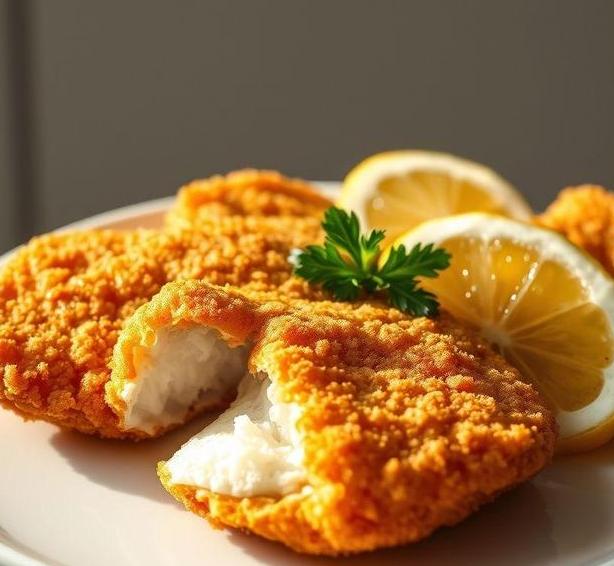
Understanding the shelf life of battered fish is crucial to preventing foodborne illnesses and making sure you enjoy your leftovers safely. Here’s a detailed look at how long battered fish can stay good for under different circumstances:
-
Refrigerated Battered Fish (leftover, cooked)
- Typically lasts: 2 to 3 days
- After this period, bacteria begin to multiply at an accelerated rate. The fish may lose its flavor and texture, becoming mushy, stale, or foul-smelling.
- If you’ve stored the fish in an airtight container or wrapped it tightly in foil, it may last a day or two longer than if left uncovered, but it’s still best to consume it quickly.
-
Frozen Battered Fish (for future use)
- Typically lasts: 1 to 3 months
- Freezing battered fish can extend its shelf life significantly. However, while freezing preserves the fish, it can alter the texture of both the fish and the batter. The batter may not retain its crispy crunch once reheated, but the fish inside should still be safe to eat.
- For optimal freshness, wrap the battered fish tightly in freezer-safe plastic wrap or aluminum foil, and store it in a sealed container or freezer bag to prevent freezer burn.
-
Uncooked Battered Fish (for future frying)
- Typically lasts: 1 to 2 days in the fridge, or 1 to 2 months in the freezer
- If you’ve pre-battered fish but haven’t cooked it yet, it’s essential to cook it within a day or two. Otherwise, you risk bacterial growth, especially if the fish is not stored properly.
- For long-term storage, freezing battered fish uncooked is your best bet. It’s a good idea to freeze it on a baking sheet first so that the battered fish doesn’t stick together, making it easier to grab individual pieces when needed.
Common Signs Of Spoilage
Even if you’ve been mindful of the storage conditions, sometimes the signs of spoilage are subtle. You don’t want to take the risk of eating spoiled battered fish, so here are some common signs that your fish has gone bad:
- Off or sour smell: Fresh fish should have a neutral or slightly ocean-like smell. If it has a strong, sour, or pungent odor, it’s a sign of spoilage.
- Discoloration: While the batter may darken slightly as it sits, the fish inside should still look fresh. If the flesh turns an off-color, like brown, yellow, or greenish hues, it’s likely spoiled.
- Slimy texture: Fish naturally has a delicate texture. If it feels slimy or sticky to the touch, that’s a clear indication that bacteria have started to break it down.
- Mushy or overly soft texture: When you press on the fish, it should feel firm and flaky (but not tough). If it feels mushy or almost gelatinous, it’s best to avoid eating it.
- Batter changes: The crispy batter will inevitably soften in the fridge, but if it’s become soggy or sticky, it may be starting to spoil. If the batter has any visible mold or unusual texture changes, discard the fish immediately.
How To Store Battered Fish?

The right storage method can help prolong the freshness of battered fish, whether you’re dealing with leftovers or planning to store it for the future. Here’s a breakdown of how to store battered fish properly:
-
In The Fridge
- First, let the fish cool to room temperature before storing it to prevent condensation from building up, which can make the batter soggy.
- Wrap the fish tightly in plastic wrap or foil, or store it in an airtight container to minimize air exposure.
- Consider parchment paper if you’re stacking the fish. This prevents it from sticking together and keeps the batter from becoming too soggy.
- Store it in the coldest part of the fridge, ideally between 32°F (0°C) and 40°F (4°C).
-
In The Freezer
- For long-term storage, wrap the battered fish tightly in plastic wrap or foil, then place it in a freezer-safe bag or container to protect it from freezer burn.
- Avoid freezing batter-dipped fish that hasn’t been cooked yet, unless you’re freezing it for future cooking. If it’s raw, follow the same steps: wrap it well and use it within a month or two.
-
Reheating Tips
- If reheating battered fish, the oven or air fryer is your best bet to get some crispiness back in the batter. Place the fish on a baking sheet and heat at 375°F (190°C) for 10-15 minutes, or until heated through and crispy again.
- Avoid reheating battered fish in the microwave, as it tends to make the batter soggy and chewy.
Expert Tips
To get the most out of your battered fish, here are a few expert tips:
- Don’t store battered fish too long: Even though freezing can extend the shelf life, the texture will degrade over time. Try to eat your battered fish as soon as possible for the best flavor and texture.
- Freeze immediately if you’re not eating it right away: If you’re unsure whether you’ll finish all your battered fish in one sitting, freeze any leftovers right away. The sooner you freeze it, the better it will taste when reheated.
- Consider batch cooking: If you find yourself with a lot of battered fish left over, consider cooking in smaller batches in the future. This way, you only make what you’ll eat and avoid wasting food.
- Check the batter’s texture: If you’re freezing battered fish before cooking, make sure the batter is set well on the fish. This helps preserve its texture once cooked.
FAQs
How Long Can Battered Fish Last In The Fridge?
Battered fish can typically last 1-2 days in the refrigerator when stored properly in an airtight container. However, it’s best consumed as soon as possible for optimal freshness.
How Can You Tell If Battered Fish Has Gone Bad?
Signs that battered fish has gone bad include a sour or off smell, changes in color (such as gray or brown spots), a slimy texture, or visible mold. If the batter has become soggy or the fish is mushy, it’s likely no longer safe to eat.
Can You Freeze Battered Fish To Extend Its Shelf Life?
Yes, battered fish can be frozen to extend its shelf life. To do so, wrap the fish in plastic wrap or foil, then place it in a freezer-safe bag or container. It can last up to 2-3 months in the freezer.
Is It Safe To Eat Leftover Battered Fish?
Leftover battered fish can be safe to eat if it has been properly stored in the fridge within two hours of cooking. Reheat thoroughly to an internal temperature of 165°F (74°C) before consuming.
How Should You Store Battered Fish To Prevent It From Going Bad?
To prevent battered fish from going bad, store it in an airtight container in the fridge. If freezing, wrap it well to avoid freezer burn and preserve its quality.
Can Battered Fish Go Bad If Left Out Overnight?
Yes, battered fish should not be left out overnight. According to food safety guidelines, perishable foods like fish should not sit out at room temperature for more than 2 hours, or 1 hour if the room temperature is above 90°F (32°C).
Can Battered Fish Be Reheated Without Losing Its Quality?
Reheating battered fish can cause the batter to become soggy. To maintain its crispiness, reheat in an oven or air fryer rather than a microwave. Ensure it is heated to 165°F (74°C) to ensure safety.
Does Battered Fish Spoil Faster Than Plain Fish?
Yes, battered fish may spoil faster than plain fish due to the presence of the batter, which can absorb moisture and become soggy. The batter also has a higher fat content, which can deteriorate more quickly.
Can I Eat Battered Fish After The Sell-by Date?
If the battered fish has been properly stored and shows no signs of spoilage, it might still be safe to eat after the sell-by date. However, always check for any signs of spoilage before consuming, such as changes in smell, texture, or appearance.
How Can You Preserve The Freshness Of Battered Fish When Eating Out?
If you want to preserve the freshness of battered fish from a restaurant, consume it within 1-2 hours of receiving it. If you plan to store it, refrigerate immediately in an airtight container and consume within 1-2 days.