Cod is one of the most popular and versatile fish found on menus worldwide. Known for its mild flavor and flaky texture, it’s commonly used in fish and chips, tacos, or simply grilled with herbs. But just like any other fish, cod is perishable, and understanding how to store it properly and recognize signs of spoilage is key to making sure you’re eating it at its best.
When you buy fresh cod, the clock starts ticking on its shelf life. But how long does it last? Can it go bad? And more importantly, how do you know when it’s no longer safe to eat? In this guide, we’ll explore everything you need to know about cod spoilage-from how long it lasts in different conditions to how you can store it properly and the telltale signs that it’s time to toss it.
Can Cod Go Bad?
The short answer: Yes, cod can go bad. As with all seafood, it is highly perishable. While cod is known for its firm texture and mild flavor, these attributes can deteriorate quickly if it’s not handled, stored, or cooked correctly. When fish starts to spoil, it doesn’t just lose taste and texture-it also becomes a health risk. Bacteria, mold, and parasites can all cause foodborne illness, so consuming spoiled cod should be avoided at all costs.
Here are a few things to keep in mind:
- Freshness is key: Cod that has just been caught and stored under ideal conditions will taste and look the best. The longer it sits, the faster it deteriorates.
- Temperature matters: Fish spoils quickly when left out at room temperature. The USDA recommends that fresh seafood should never sit out for more than two hours.
- It’s all about the smell: Fresh cod has a clean, slightly salty ocean smell. When it starts to go bad, it will give off a pungent, sour odor. This is a strong indicator that it’s past its prime.
Shelf Life For Cod
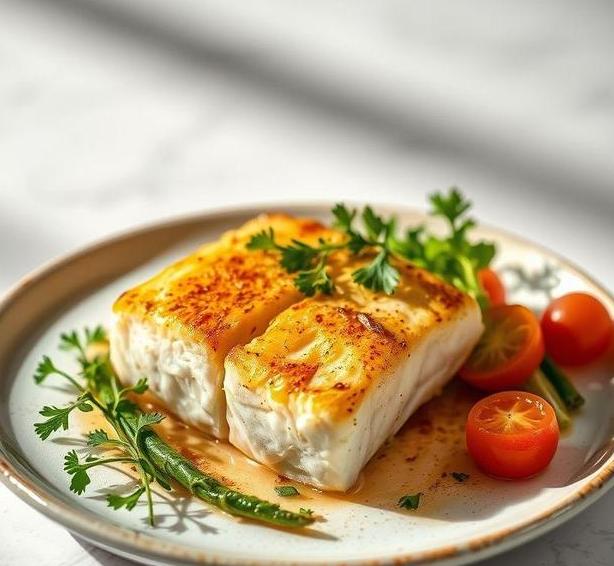
The shelf life of cod varies depending on whether it’s fresh, cooked, or frozen. Here’s a breakdown of what to expect in terms of how long cod will last in different conditions:
- Fresh Cod (Refrigerated): When properly stored in the fridge at temperatures around 32°F (0°C), fresh cod will typically last 1 to 2 days. This is when it’s at its peak quality-firm, slightly translucent, and moist. Beyond this window, it begins to lose texture and flavor.
- Frozen Cod (Raw): If you freeze cod, it will last much longer. Frozen cod can be stored for 6 months to a year in a deep freezer at a constant temperature of 0°F (-18°C). Freezing preserves the fish’s texture, flavor, and nutritional value, though some slight loss in quality may occur over time.
- Cooked Cod: If you’ve cooked cod, it will last 3 to 4 days in the fridge when stored in an airtight container. When frozen, cooked cod can last 2 to 3 months, but again, its texture may degrade over time.
- Cod Fillets or Steaks (Vacuum-Sealed): If vacuum-sealed, cod may stay fresh in the refrigerator for 2 to 3 days longer than non-sealed cod, but freezing is still the best option for extending its life.
Common Signs Of Spoilage
Knowing how to spot spoiled cod is essential for your safety and taste satisfaction. Here’s a detailed list of common spoilage signs to watch out for:
- Off-putting odor: The most noticeable and often the earliest sign of spoilage. Fresh cod should have a clean, ocean-like smell. If it smells sour, rotten, or overly fishy, discard it immediately.
- Slimy texture: Fresh cod should feel moist, but it should not feel slimy. Sliminess is a clear indication that bacteria have started to break down the fish.
- Discoloration: Cod should have translucent, white flesh. If it starts turning dull or yellowish, it’s on its way to spoiling. Sometimes the fillet may have brownish or gray spots, indicating bacterial growth.
- Dried-out or mushy flesh: Over time, cod can become dried out or mushy, especially if it’s been stored improperly. If you press the flesh and it doesn’t bounce back, or if it falls apart easily, it’s time to toss it.
- Visible mold: Although not common, mold growth is another clear sign that the cod is spoiled. If you see fuzzy, green, or black patches on the fish, it’s no longer safe to eat.
- Fishy or ammonia-like taste: If you cook the fish and notice a strong, ammonia-like flavor or an unusually fishy taste, don’t continue eating it. This is a sign that it’s gone past its safe eating stage.
How To Store Cod?

Storing cod properly will help maximize its freshness and safety. Follow these steps to ensure your cod stays as fresh as possible:
For Fresh Cod
- Refrigeration: If you plan to eat your cod within 1 to 2 days, store it in the coldest part of your fridge. Ideally, you should place it in a shallow dish and cover it loosely with plastic wrap or wax paper. Avoid wrapping it tightly in plastic, as this can trap moisture and encourage bacteria growth.
- Use ice: If you’re storing fresh cod for a longer period (but not freezing), place the fish on a bed of ice in a shallow pan. Be sure to drain excess water to prevent the fish from sitting in the melted ice, as this can cause spoilage.
- Freeze it: If you won’t be eating the cod within a couple of days, freezing is your best option. Wrap the fish tightly in plastic wrap or aluminum foil, and then place it in a freezer-safe bag. For extra protection, you can vacuum-seal it.
For Frozen Cod
- Avoid thawing and refreezing: Once cod is thawed, it should be cooked within a couple of days. Never refreeze it, as this can lead to a loss of texture and flavor. Always thaw fish in the fridge, never on the counter, to avoid bacteria growth.
- Temperature control: Ensure your freezer stays at a constant temperature of 0°F (-18°C). Fluctuations in temperature can cause the cod to degrade more quickly, even in frozen storage.
Expert Tips
- Smell is your best friend: Always trust your nose. Fresh cod has a subtle smell, not a strong odor. If you’re ever unsure, it’s better to err on the side of caution.
- Use airtight containers: If you’re storing leftover cooked cod, place it in an airtight container to prevent it from drying out or absorbing odors from other foods.
- Look for vacuum-sealed packaging: When buying cod, if you’re not planning to eat it right away, try to find cod that is vacuum-sealed. It’ll last longer in the fridge and help prevent freezer burn if you opt to freeze it.
- Don’t overcook: Overcooking cod can dry it out and affect its texture. Cook it just until it’s opaque and flakes easily with a fork for the best results.
- Keep it cold: The key to preserving cod’s flavor and texture is keeping it as cold as possible from the point of purchase until it hits your plate. If it’s a hot day or you’re running errands, bring a cooler with ice to store the fish temporarily.
FAQs
Can Cod Go Bad If Left Out Of The Fridge?
Yes, cod can go bad if left out of the fridge for an extended period. Fish should never be left at room temperature for more than 2 hours. After this time, bacterial growth accelerates, leading to spoilage and potential foodborne illnesses.
How Can You Tell If Cod Has Gone Bad?
Cod that has gone bad will have an off-putting odor, often described as sour or ammonia-like. The flesh will also appear discolored, and it might feel slimy to the touch. Additionally, spoiled cod may lose its firmness and become mushy.
How Long Can Fresh Cod Stay In The Fridge?
Fresh cod can typically stay in the fridge for 1-2 days. If you’re unable to use it within this time, it’s best to freeze it to extend its shelf life.
Can Cod Go Bad After Being Frozen?
While freezing cod can preserve it for several months, it is possible for it to go bad if not stored properly. Fish should be frozen in an airtight container or freezer bag to prevent freezer burn and degradation of taste and texture.
How Should Cod Be Stored To Prevent It From Going Bad?
To prevent cod from going bad, it should be stored in an airtight container in the coldest part of the fridge if it will be used within 1-2 days. For longer storage, cod should be frozen. If freezing, wrap it tightly in plastic wrap or place it in a vacuum-sealed bag.
Can You Eat Cod After The Sell-by Date?
The sell-by date is a guideline, not a strict expiration. However, if cod is past this date, it’s crucial to check for signs of spoilage, such as an unpleasant odor or slimy texture, before consuming. If it seems off in any way, it’s best to discard it.
What Happens If You Eat Spoiled Cod?
Eating spoiled cod can lead to food poisoning, as spoiled fish may contain harmful bacteria like Vibrio or Salmonella. Symptoms include nausea, vomiting, diarrhea, and stomach cramps. If you suspect food poisoning, seek medical attention.
Can Cod Go Bad In The Freezer?
Cod can go bad in the freezer if stored improperly or left for too long. While frozen cod can remain safe to eat for up to 6 months, its quality may decline over time due to freezer burn or degradation of flavor and texture.
Can Cooked Cod Go Bad?
Yes, cooked cod can go bad. If not refrigerated within 2 hours of cooking, it can spoil quickly. Once refrigerated, cooked cod should be consumed within 3-4 days. If you want to store it for longer, it can be frozen for up to 3 months.
What Should I Do If I Accidentally Left Cod Out Overnight?
If cod has been left out overnight at room temperature, it is no longer safe to eat. Bacteria multiply rapidly at room temperature, and the risk of foodborne illness is high. It’s best to discard the fish to avoid health risks.