Collard greens, with their rich, earthy flavor and hearty texture, are a beloved staple in Southern cuisine, packed with nutrients and versatility. Whether sautéed, boiled, or blended into soups and stews, collard greens can elevate any meal. But, like all fresh produce, they have a limited lifespan, and understanding how to properly store and preserve them can make a big difference in taste and texture. If you’ve ever found yourself staring at a wilting bunch of collards in your fridge, wondering if they’ve gone bad, you’re not alone.
So, can collard greens go bad? Absolutely. In fact, knowing when and how collard greens spoil is essential to getting the most out of this nutritious vegetable. Let’s dive into how long collard greens last, how to spot when they’ve spoiled, and the best ways to store them to maximize their freshness.
Can Collard Greens Go Bad?
Yes, collard greens can definitely go bad. Like any leafy green, their freshness diminishes over time due to moisture loss, temperature exposure, and natural aging. Although collard greens are quite durable compared to some other greens (like spinach or lettuce), they aren’t immune to spoilage. Once they start deteriorating, they lose both their taste and texture, and, in some cases, they can even become unsafe to eat.
- What causes them to spoil? Collard greens spoil primarily due to bacteria, mold, and wilting. The high water content in the leaves creates a breeding ground for microorganisms when left in a warm or humid environment for too long.
- How long do they last? While they can stay fresh for a while with the right storage, collard greens don’t last forever. Knowing the signs of spoilage and how to extend their shelf life is crucial.
Shelf Life For Collard Greens
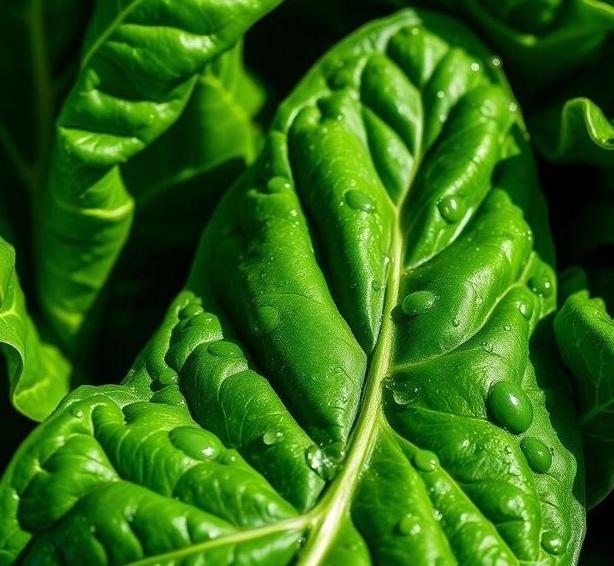
Understanding the shelf life of collard greens depends on how they are stored and whether they are fresh or cooked. Here’s a breakdown:
-
Fresh Collard Greens (in The Fridge)
- Unwashed: They can last about 5-7 days if stored properly in the fridge.
- Washed: After washing, they’ll last around 3-4 days. This is because the moisture from washing accelerates deterioration.
-
Cooked Collard Greens
- If you’ve cooked collard greens, they’ll generally last about 3-5 days in the fridge, as long as they’re stored in an airtight container.
-
Frozen Collard Greens
- Collard greens can be frozen to extend their shelf life up to 12 months. However, freezing affects the texture, so they’re best suited for cooked dishes after thawing.
Common Signs Of Spoilage
Knowing the signs of spoilage will help you avoid eating collard greens that may have gone bad. Here are the top indicators that your collard greens are no longer fresh:
-
Wilting Or Yellowing
If your collard greens are wilting or the leaves are turning yellow, they’re losing their crispness and vitality. This is often the first sign that they’ve been stored too long.
-
Sliminess Or Wetness
If the leaves feel slimy or excessively wet, it’s usually a sign of bacterial growth. Fresh collard greens should have a firm, dry texture when handled.
-
Brown Or Black Spots
Small brown or black spots that appear on the leaves indicate that the greens are starting to rot. Once these spots appear, the greens are no longer at their peak freshness.
-
Foul Or Sour Odor
A distinct off or sour smell is another surefire sign that your collard greens have gone bad. Fresh collard greens should have a neutral, slightly earthy scent.
-
Mold
Mold is a big red flag. If you spot mold anywhere on the leaves, it’s time to toss them. Mold can grow when the greens are stored in an overly moist environment.
How To Store Collard Greens?
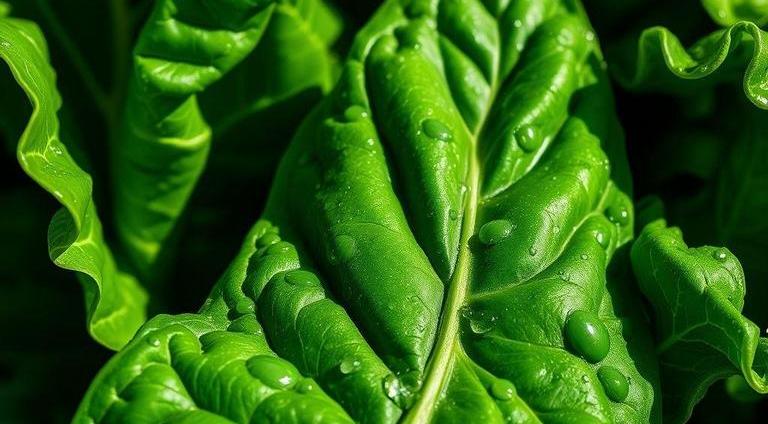
Proper storage is key to keeping collard greens fresh for as long as possible. If you’ve just brought home a bunch of collards from the store or farmer’s market, follow these tips to extend their shelf life:
-
Refrigeration
- Store collard greens in the crisper drawer of your fridge, where the temperature is slightly higher and more consistent. This is ideal for leafy greens, as it prevents them from freezing or getting too warm.
- For unwashed collard greens, wrap them loosely in a paper towel to absorb excess moisture, and place them in a perforated plastic bag or container. This allows airflow, reducing the chance of moisture buildup.
- For washed greens, after washing, thoroughly pat them dry before storing. Use a sealed container to keep them fresh and avoid excess moisture, which leads to faster spoilage.
-
Freezing
- If you know you won’t be able to use the collards soon enough, freezing them is a great option. However, they should be blanched first to maintain their texture and nutrients.
- To blanch: Boil the greens for about 3 minutes, then immediately transfer them to an ice water bath. Drain well and store in airtight bags or containers in the freezer.
- Freezing helps extend their shelf life, but keep in mind they are best used in cooked dishes after thawing.
-
Avoid Storing With Ethylene-Producing Fruits
- Some fruits, like apples, bananas, and avocados, emit ethylene gas, which can accelerate the ripening process of leafy greens. Keep collard greens away from these fruits to prevent premature spoilage.
Expert Tips
Here are some extra tips from culinary experts and food storage pros to help keep your collard greens fresh longer:
- Hydration is Key: Collard greens, like most leafy vegetables, thrive on moisture. If you find your greens wilting but not yet spoiled, place them in a bowl of water for a few hours to revive them before cooking.
- Don’t Overcrowd: When storing collard greens, avoid overcrowding them in your fridge. This restricts airflow, causing them to wilt faster. Make sure they have space to breathe.
- Rotate Your Greens: If you regularly buy collard greens, practice the first-in, first-out rule in your fridge. Use older greens first and make room for the fresh ones.
- Use a Salad Spinner: To keep your greens crisp, use a salad spinner after washing to get rid of excess water. This prevents them from becoming soggy in storage.
FAQs
Can Collard Greens Go Bad If Left Out At Room Temperature?
Yes, collard greens can go bad if left out at room temperature for an extended period. Bacteria can grow rapidly in fresh vegetables left unrefrigerated for more than 2 hours. It’s best to refrigerate them promptly after purchase or harvest.
How Long Do Collard Greens Last In The Refrigerator?
Fresh collard greens can last in the refrigerator for about 5 to 7 days. However, for optimal freshness, it’s recommended to consume them within 3 to 4 days.
What Are The Signs That Collard Greens Have Gone Bad?
Signs that collard greens have gone bad include wilting, yellowing or browning leaves, a slimy texture, and an off or sour smell. If any of these signs are present, it’s best to discard them.
Can You Freeze Collard Greens To Extend Their Shelf Life?
Yes, you can freeze collard greens to extend their shelf life. To do so, blanch the leaves in boiling water for 2-3 minutes, cool them quickly in ice water, then store in airtight containers or freezer bags. Frozen collard greens can last up to 12 months.
Do Collard Greens Spoil Faster If They Are Cut?
Yes, cut collard greens will spoil faster than whole leaves. Once cut, the surface area exposed to air increases, leading to quicker degradation. It’s best to store them whole and cut them just before use.
Can Collard Greens Go Bad If They Are Stored In A Plastic Bag?
Storing collard greens in a plastic bag can cause them to go bad more quickly due to trapped moisture, which encourages mold growth. It’s better to store them in a breathable container, like a produce bag or container with ventilation.
How Can I Tell If Frozen Collard Greens Have Gone Bad?
Frozen collard greens can go bad if they have been stored too long or if they experience freezer burn. Look for discoloration, a change in texture, or an off smell when thawed. If the greens appear icy or frosty on the surface, they may be freezer burned.
Can You Eat Collard Greens After They Have Gone Bad?
No, you should not eat collard greens after they have gone bad. Consuming spoiled greens can lead to foodborne illnesses due to bacterial or fungal contamination.
Is It Safe To Eat Collard Greens If They Have Some Yellow Leaves?
Yellow leaves on collard greens are not necessarily a sign of spoilage, but they indicate that the greens are aging. You can trim off the yellow leaves, but if the entire bunch is discolored or mushy, it’s best to discard them.
How Should I Store Collard Greens To Make Them Last Longer?
To make collard greens last longer, store them in a plastic bag with holes or a perforated container in the refrigerator. Keep them dry and avoid washing them until you’re ready to use them, as excess moisture can speed up spoilage.