Garlic bread, the golden, aromatic slice of heaven we all know and love, often graces our tables alongside pasta, salads, and a variety of other dishes. It’s crispy on the outside, soft and buttery on the inside, with the unmistakable scent of garlic filling the room. But like all good things, garlic bread doesn’t last forever. So, what happens when you’ve made or bought a large batch and are left wondering if you can safely enjoy those leftovers? How long does it really last? And what’s the best way to store it?
In this detailed guide, we’re going to dig deep into garlic bread’s shelf life, how to tell when it’s gone bad, and of course, how to store it to maximize its flavor and texture. Whether you’re wondering if that leftover slice in your fridge is still safe to eat or if you’re preparing for a future batch, I’ve got all the information you need.
Can Garlic Bread Go Bad?
Absolutely, garlic bread can go bad, just like any other bread product. While garlic, butter, and herbs may seem like ingredients that could hold up well over time, the reality is that garlic bread is still a perishable food item. Whether it’s freshly baked, store-bought, or leftovers from last night’s dinner, improper storage can lead to spoilage or loss of quality over time. There are several factors that contribute to its decline in freshness:
- Moisture Content: The butter and garlic make garlic bread a moist dish, which increases its susceptibility to mold and bacterial growth.
- Exposure to Air: Like most baked goods, garlic bread can quickly lose its crunch and freshness if exposed to air, leading to staleness or sogginess.
- Temperature Fluctuations: If garlic bread is left out in warm, humid conditions or exposed to rapid temperature changes, it accelerates spoilage.
Shelf Life For Garlic Bread
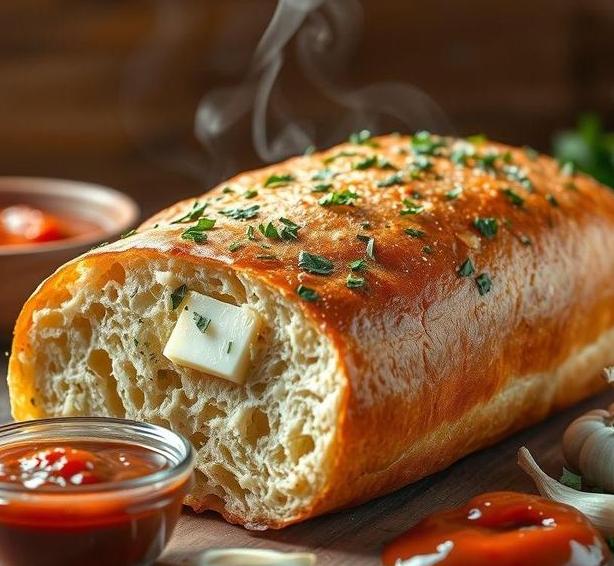
The shelf life of garlic bread can vary depending on how it’s made, stored, and whether it’s kept at room temperature or refrigerated. Here’s a general breakdown of how long you can expect garlic bread to last in different storage conditions:
- Room Temperature: If garlic bread is stored properly in a sealed container or wrapped tightly in foil or plastic wrap, it can last for 1 to 2 days at room temperature. After this point, it may start to lose its freshness, becoming stale or soggy.
- Refrigerated: When stored in an airtight container or wrapped up tightly in the fridge, garlic bread can last for 3 to 5 days. However, the texture will deteriorate more quickly than if frozen.
- Frozen: Freezing garlic bread is the best way to extend its shelf life. If properly wrapped (use plastic wrap and aluminum foil or a freezer-safe bag), it can last up to 3 months in the freezer without a noticeable loss in quality.
Common Signs Of Spoilage
Garlic bread is prone to certain spoilage signs, and it’s important to recognize them before taking a bite of a questionable slice. These signs can indicate the bread is no longer safe to consume:
- Mold: This is the most obvious sign that garlic bread has gone bad. Mold can appear as green, black, or white fuzzy spots on the surface of the bread. If you see any mold, discard the bread immediately, as mold can spread beneath the surface, making it unsafe to eat.
- Soggy or Slimy Texture: Garlic bread should be firm and crispy on the outside. If it becomes soggy or slimy, particularly from the butter and garlic mixture, it could indicate bacterial growth. Toss it out if it feels unappetizing or off to the touch.
- Off or Sour Smell: While garlic bread naturally has a strong, garlic-infused aroma, if it starts to smell sour or musty, this is a clear sign it has spoiled. Trust your nose-if it smells “off”, don’t risk eating it.
- Discoloration: Over time, the garlic butter mixture may start to discolor. If the garlic bread has taken on a darker or strange hue, especially where the butter and garlic meet the bread, it could be a sign that it’s starting to go bad.
- Hard or Crumbly Texture: While garlic bread naturally hardens as it cools, it shouldn’t become too hard or dry to the point of being inedible. If it’s so crunchy it feels more like a cracker than soft bread, it’s past its prime.
How To Store Garlic Bread?
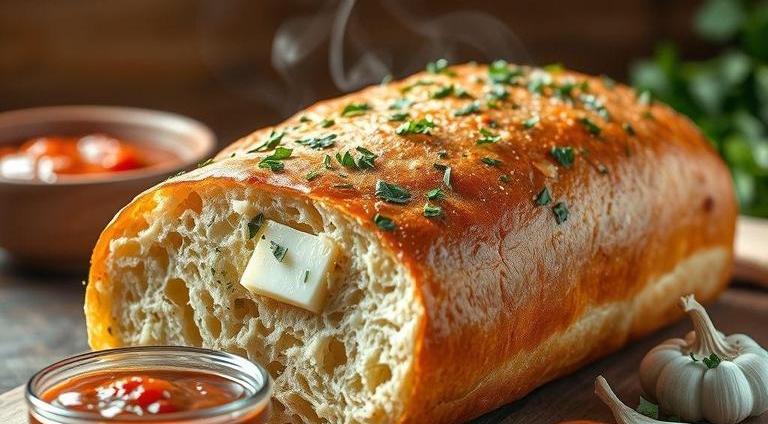
Proper storage of garlic bread is essential to keeping it fresh for as long as possible. Here’s a breakdown of the best ways to store your garlic bread, whether it’s fresh or leftovers:
Room Temperature Storage
- For Short-Term Storage (1-2 days): Store the garlic bread in a sealed container, or wrap it tightly in plastic wrap, aluminum foil, or a resealable bag. This helps preserve its texture and prevents it from drying out.
- Avoid Humidity: Garlic bread shouldn’t be left in a humid environment as it can lead to sogginess. Keep it in a cool, dry area, away from direct sunlight.
Refrigeration
- For Medium-Term Storage (3-5 days): Store garlic bread in an airtight container or wrap it tightly in plastic wrap and aluminum foil. Refrigerating it slows down the growth of bacteria, but it can also make the bread less crispy. Reheating it in the oven or a toaster oven can help restore its texture.
- Don’t Leave It Unwrapped: If you leave it uncovered in the fridge, it can dry out or absorb other food smells, which can affect its taste.
Freezing
Expert Tips
Want to make sure your garlic bread stays fresh and tasty for as long as possible? Here are some tips from the pros:
- Reheat Properly: To restore garlic bread’s original texture, reheat it in the oven rather than the microwave. A few minutes at 350°F (175°C) can bring back its crunch without drying it out. If you’re reheating frozen garlic bread, you don’t even need to thaw it first-just add a few extra minutes to the baking time.
- Avoid Storing with Moisture: Excess moisture is one of the biggest culprits behind soggy, moldy garlic bread. Always store it in a way that keeps the moisture from building up inside the packaging.
- Upgrade Storage: If you have a lot of garlic bread, consider storing it in a vacuum-sealed bag for long-term storage. This will remove excess air and moisture, preventing it from spoiling too quickly.
- Freshly Made Is Best: For the ultimate garlic bread experience, consume it fresh. While storing leftovers is fine, garlic bread tastes best right out of the oven when it’s crispy, buttery, and hot.
FAQs
How Long Can Garlic Bread Last At Room Temperature?
Garlic bread can typically last for about 2 to 3 days at room temperature if stored properly in an airtight container or tightly wrapped in foil or plastic wrap. However, it is best consumed within 1 to 2 days for optimal taste and texture.
Can Garlic Bread Go Bad In The Fridge?
Yes, garlic bread can last up to a week in the fridge if properly wrapped in plastic wrap or foil to prevent it from drying out. It is essential to consume it within this time frame to avoid the development of stale or moldy spots.
Can Garlic Bread Be Frozen To Extend Its Shelf Life?
Yes, garlic bread can be frozen to extend its shelf life. When wrapped tightly in plastic wrap or foil and stored in a freezer-safe bag or container, it can last for up to 3 months in the freezer. To reheat, simply bake it from frozen or thaw before baking.
How Can You Tell If Garlic Bread Has Gone Bad?
Signs that garlic bread has gone bad include an off or sour smell, visible mold growth, and a dry, hard texture. If the garlic bread feels unusually soft or mushy, it may have absorbed moisture and should be discarded.
Does Garlic Bread Spoil Faster If It’s Homemade?
Yes, homemade garlic bread may spoil faster than store-bought varieties because it lacks preservatives. Homemade garlic bread should be consumed within 1 to 2 days at room temperature or refrigerated for a longer shelf life.
Can Garlic Bread Become Soggy If Stored Incorrectly?
Yes, garlic bread can become soggy if not stored correctly. If garlic butter or oil is not properly absorbed into the bread, moisture can cause it to become soggy. Ensure the bread is stored in a cool, dry place to maintain its texture.
Can Garlic Bread Cause Food Poisoning?
While garlic bread itself is not typically a food safety risk, if it has been improperly stored or left out at room temperature for extended periods (more than 4 hours), bacteria can grow, potentially leading to food poisoning. Always store garlic bread properly to reduce this risk.
Is Garlic Bread Still Good If It’s A Bit Dry?
Dry garlic bread is not unsafe to eat, but it can be less pleasant in terms of taste and texture. If the bread is dry, you can try reheating it with a bit of extra butter or garlic oil to revive its flavor and moisture.
How Do You Reheat Garlic Bread To Prevent It From Going Bad?
To reheat garlic bread, wrap it in foil and bake at 350°F (175°C) for about 10 minutes. This helps to prevent it from drying out. You can also microwave it with a damp paper towel to maintain moisture. Avoid reheating multiple times as this can degrade the quality.
Can You Eat Garlic Bread After The Expiration Date?
Garlic bread may still be safe to eat after the expiration date if it has been properly stored and shows no signs of spoilage, such as mold or a sour smell. However, for the best taste and quality, it’s advisable to eat it before the expiration date passes.