Gravy is one of those kitchen staples that can transform a meal from good to absolutely mouthwatering. Whether it’s the perfect accompaniment to mashed potatoes, roasted meats, or vegetables, its rich, savory flavors are what make it the star of many dinner tables. But like any homemade or store-bought food, gravy can go bad. And when it does, it doesn’t just lose its flavor-it can also pose some health risks. So, understanding how to handle, store, and tell when gravy is no longer safe to eat is essential.
In this article, we’ll dive deep into the details of how gravy can go bad, its shelf life, signs of spoilage, and how you can store it properly to keep it fresh for as long as possible. We’ll also share some expert tips to help you avoid common mistakes and ensure your gravy stays delicious.
Can Gravy Go Bad?
Yes, just like any food that contains meat, dairy, or other perishable ingredients, gravy can go bad. The most common ingredients in gravy-stock, butter, flour, and sometimes cream or milk-are all prone to spoilage if they are not handled properly. Since gravy is often made with rich ingredients and may be sitting out after a big meal, it’s especially important to be mindful of its shelf life.
A gravy made with meat-based stock (like chicken, turkey, beef, or pork) is more susceptible to bacteria growth compared to a vegetarian gravy. Gravy also often contains fats, which can go rancid over time if not stored correctly. If gravy is left at room temperature for too long, or stored improperly, harmful bacteria can quickly develop, making it unsafe to eat.
Shelf Life For Gravy
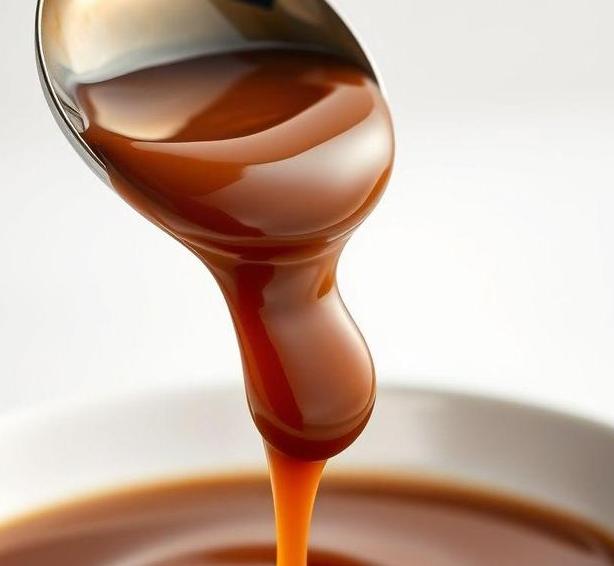
When it comes to storing gravy, knowing how long it can last is key to preventing foodborne illness.
- Homemade Gravy: Generally, homemade gravy lasts about 1-2 days in the fridge, depending on the ingredients. If you made it with dairy (cream or milk) or meat stock, the shelf life tends to be on the shorter side.
- Store-bought Gravy: Unopened jars or cans of gravy can last much longer, anywhere from 6 months to 1 year when stored in a cool, dry place. Once opened, though, you should use the gravy within 3-5 days.
- Frozen Gravy: If you plan to keep gravy longer than a few days, freezing it is a good option. Gravy can be safely stored in the freezer for up to 3 months. However, the texture may change slightly after freezing, especially if it contains dairy. When reheating, you may need to whisk it to restore its original consistency.
Common Signs Of Spoilage
Knowing the signs of spoiled gravy can help you avoid serving something that could make you sick. Look out for the following:
- Off Smell: The most obvious sign that your gravy has gone bad is a sour or rancid smell. If it has a strong, unpleasant odor (especially if it’s dairy-based), it’s time to toss it.
- Change in Texture: Gravy should have a smooth, thick consistency. If it separates into watery liquid and solid clumps, it’s a sign that it’s starting to spoil. Even if the texture hasn’t completely separated, it may still indicate the start of spoilage if it’s too runny or grainy.
- Color Changes: Fresh gravy typically has a golden brown to rich, deep brown color, depending on the type of stock used. If the gravy becomes discolored-such as turning grayish or having an unappetizing yellowish hue-this is a bad sign.
- Visible Mold or Bacteria Growth: If you see any fuzzy growth or other unusual spots on the gravy, it’s no longer safe to consume. This is typically a sign of mold or bacteria that have developed from improper storage.
- Taste: If you’ve tasted your gravy and it tastes off or sour, don’t risk it. Even though taste isn’t always the first sign of spoilage, it’s often a good indicator that something’s wrong.
How To Store Gravy?
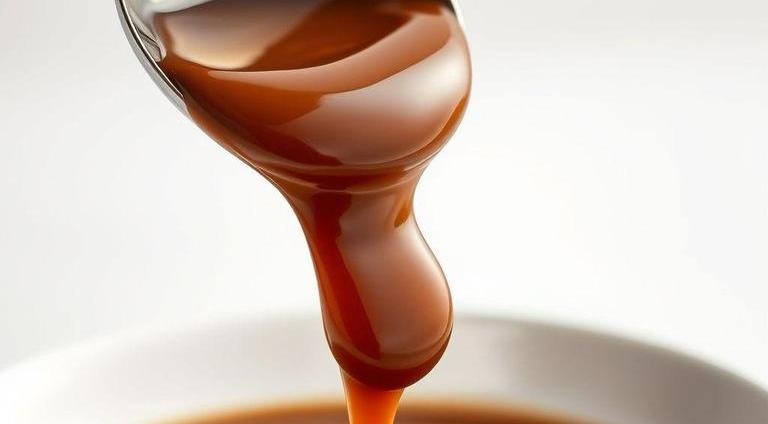
Proper storage of gravy is essential to keep it safe and fresh for as long as possible. Here’s how to store gravy properly, whether it’s homemade or store-bought:
-
Refrigeration
- Store gravy in an airtight container or tightly covered in a glass jar or plastic storage container. This will minimize air exposure and reduce the risk of contamination.
- Make sure to refrigerate gravy within 2 hours of cooking or serving. Leaving it out at room temperature for too long can promote bacterial growth.
-
Freezing
- If you plan to freeze leftover gravy, allow it to cool completely before transferring it to an airtight container or heavy-duty freezer bag. You can also portion it out into ice cube trays for easy future servings.
- Gravy freezes well, but make sure to consume it within 3 months for optimal taste and texture. When reheating, do so slowly on the stove or in the microwave, stirring frequently.
-
Storage Tips For Store-bought Gravy
- Once you’ve opened a jar or can of store-bought gravy, follow the same basic storage instructions. Place the leftover gravy in a sealed container and refrigerate it promptly. Check the manufacturer’s recommendations on the label for specific storage guidelines.
Expert Tips
Now that you know the basics of storing gravy and recognizing spoilage, here are a few expert tips to ensure your gravy stays fresh and flavorful:
- Reheat with Care: When reheating leftover gravy, do so on low heat and stir continuously. If it’s too thick, add a small amount of broth or water to get the right consistency. Never reheat gravy multiple times, as it will continue to lose flavor and texture.
- Cool Quickly: If you have a large batch of gravy and you plan to store it, cool it down quickly before refrigerating. You can do this by placing the pot in an ice bath or dividing the gravy into smaller containers to allow it to cool faster.
- Don’t Over-season: If you plan to store or freeze gravy, it’s a good idea to avoid over-seasoning with salt or strong flavors (like herbs or spices) until just before serving. This allows you to adjust the seasoning after reheating for the best flavor.
- Store Small Portions: Instead of storing one big batch of gravy, consider storing smaller portions. This way, you can take out only what you need and avoid reheating the entire batch multiple times.
- Use Non-dairy Substitutes for Longer Shelf Life: If you’re looking to extend your gravy’s shelf life, consider using non-dairy creamers, broths, or stocks instead of dairy-based ingredients. These alternatives tend to last longer without spoiling.
FAQs
Can Gravy Go Bad If Left Out Overnight?
Yes, gravy can go bad if left out at room temperature for more than two hours. Bacteria can grow rapidly in gravy, especially if it contains meat drippings, so it’s important to refrigerate or freeze it promptly after use.
How Long Can Gravy Last In The Refrigerator?
Gravy can typically last 3 to 4 days in the refrigerator if stored properly in an airtight container. Always check for signs of spoilage before use.
Can Gravy Go Bad In The Freezer?
Gravy can be stored in the freezer for up to 3 months. Freezing gravy can preserve its freshness, but be sure to cool it completely before freezing and store it in an airtight container.
What Are The Signs That Gravy Has Gone Bad?
Signs that gravy has gone bad include a sour or off smell, a change in color, mold growth, or a curdled or slimy texture. If any of these occur, it’s best to discard the gravy.
Can I Use Gravy Past Its Expiration Date?
It’s not recommended to use gravy past its expiration date, especially if it has been opened. Even if the gravy appears fine, the quality and safety could be compromised.
Can I Store Leftover Gravy At Room Temperature?
No, leftover gravy should not be stored at room temperature for more than two hours. It should be refrigerated immediately to avoid bacterial growth.
How Can I Tell If Homemade Gravy Has Gone Bad?
Homemade gravy can spoil quickly, especially without preservatives. If it develops an off odor, sour taste, or any visible mold, it has gone bad and should be discarded.
Is It Safe To Reheat Gravy After It’s Been Stored In The Fridge?
Yes, it is generally safe to reheat gravy that has been stored in the fridge, as long as it hasn’t been stored for too long (3-4 days). Reheat it thoroughly to a boil to ensure it reaches a safe temperature.
Can I Reheat Frozen Gravy?
Yes, you can reheat frozen gravy by thawing it in the refrigerator overnight or using the stovetop or microwave. When reheating, make sure it reaches a full boil to ensure it’s safe to eat.
Does Gravy Spoil Faster If It Contains Meat?
Yes, gravy made with meat drippings can spoil faster than vegetarian gravy because meat-based gravies provide a richer medium for bacterial growth. It’s crucial to refrigerate or freeze meat-based gravies within two hours of cooking.