Bread is a staple in almost every kitchen, from its comforting smell as it bakes to its versatility in sandwiches, toast, and even as an accompaniment to soups. But, despite its universal presence, there’s often confusion about how long a loaf of bread actually lasts and how to tell if it’s gone bad. After all, nothing’s worse than pulling out a loaf from your pantry, excited for a fresh slice, only to find it moldy or stale. But don’t worry! You’re not alone in wondering about the best way to store and preserve bread. Let’s break it all down so you can keep your loaves fresh and avoid any unfortunate moldy surprises.
Can Loaf Of Bread Go Bad?
Absolutely! Bread, like any other food, can go bad over time. Though it may seem like bread can last forever, it is a perishable food item and will degrade in quality, taste, and texture. This deterioration occurs for several reasons:
- Moisture Content: Bread contains water, which is the perfect breeding ground for bacteria and mold when left in humid conditions. Once the moisture content starts to fluctuate, bread can either become stale or moldy.
- Preservatives (or lack thereof): Commercial loaves, like those from the store, often contain preservatives to extend shelf life, but even these eventually lose their effectiveness. Homemade loaves, which generally lack preservatives, can spoil more quickly.
- Oxidation: Over time, the fats and oils in the bread begin to break down due to exposure to air. This can result in off flavors and an unpleasant aftertaste.
In short: Yes, bread can go bad, and it’s essential to understand how to prevent it and recognize the signs before you take a bite of something that’s past its prime.
Shelf Life For Loaf Of Bread
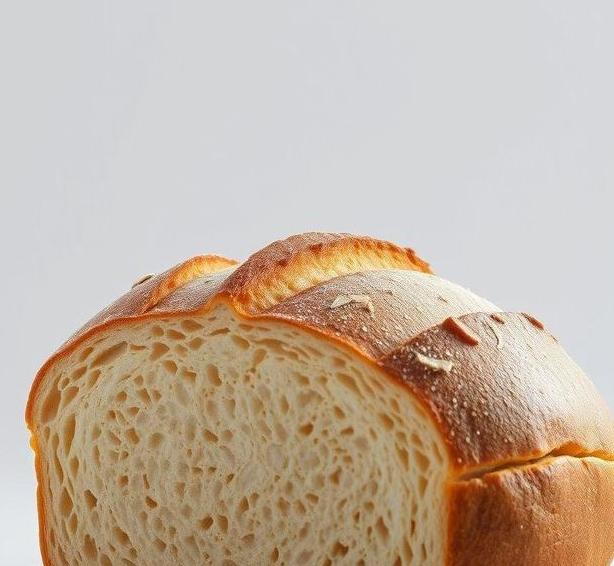
The shelf life of a loaf of bread depends on several factors, including its type, ingredients, and storage conditions. Let’s break down the expected shelf life for different kinds of bread:
-
Store-Bought White Bread (with Preservatives)
- Shelf Life: About 7 to 12 days at room temperature.
- Tip: Even with preservatives, it will go stale faster once opened. You might notice it becoming drier or developing an off taste as the days go by.
-
Whole Wheat And Multigrain Bread (with Preservatives)
- Shelf Life: Roughly 7 to 10 days.
- Note: Whole grain breads have a shorter shelf life than white bread because the oils from the wheat germ can cause rancidity.
-
Homemade Bread (no Preservatives)
- Shelf Life: 3 to 4 days at room temperature.
- Tip: Homemade loaves are fresher but spoil much faster due to the lack of preservatives.
-
Rye Bread
- Shelf Life: 5 to 7 days at room temperature.
- Note: Rye bread has a denser texture and can last longer than regular white bread, but it still needs to be stored properly.
-
Artisan Bread (e.g., Sourdough, Ciabatta)
- Shelf Life: 3 to 4 days at room temperature.
- Tip: The crust may get hard or stale more quickly, but the inside can remain edible for a few days.
Common Signs Of Spoilage
Bread spoilage is generally quite obvious, but it can be tricky because it can happen slowly or subtly. Here are the most common signs that your loaf of bread has gone bad:
-
Mold Growth
- What It Looks Like: You’ll notice green, blue, or black spots that look fuzzy. Mold often appears on the crust or the cut end of the bread.
- Why It Happens: Mold thrives in moist environments, so if the bread has been exposed to humidity or stored improperly, mold is a big risk.
- Tip: Even if just a small portion of the bread has mold, it’s safer to toss the whole loaf. Mold can spread more than you can see.
-
Off Smell
- What It Smells Like: Fresh bread has a pleasant, slightly yeasty smell. If it smells sour or musty, it’s a sign the bread has spoiled.
- Why It Happens: As bread goes bad, its natural fermentation process continues or bacteria begin to break it down, giving off unpleasant odors.
-
Dryness Or Staleness
- What It Feels Like: The bread becomes hard or crumbly, making it difficult to chew.
- Why It Happens: The bread loses moisture over time, leading to staleness. This can happen faster depending on the storage conditions.
-
Soggy Or Wet Spots
- What It Looks Like: Sometimes, bread can develop wet patches or become too soft.
- Why It Happens: This can occur if the bread has been stored in too humid or warm an environment, or if the bread was stored while still warm, trapping moisture inside.
-
Changes In Color
- What It Looks Like: You might notice that the crust or interior has darkened or become unusually pale.
- Why It Happens: Excess moisture can cause discoloration, or the bread might have been left out in a warm area where the yeast has continued to ferment.
How To Store Loaf Of Bread?
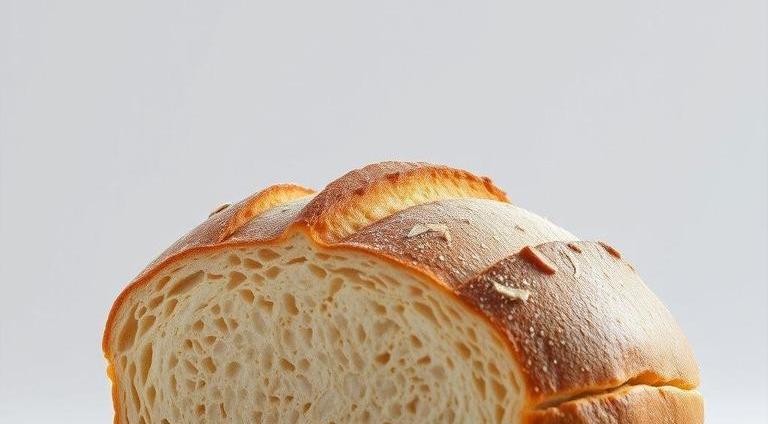
Proper storage is crucial in extending the shelf life of your bread and keeping it fresh longer. Here are some expert recommendations:
-
Room Temperature
- For bread that’s intended to be eaten in a few days, store it in a bread box or a paper bag. A bread box allows airflow while still keeping the bread from drying out too quickly.
- If you don’t have a bread box, wrapping the bread in a clean kitchen towel or placing it in a paper bag can also help.
- Avoid plastic bags at room temperature because they trap moisture, which can encourage mold growth.
-
Freezing
- Best For: Bread you won’t finish in a few days.
- How To Freeze: Slice the bread first (if it’s not pre-sliced) and wrap the slices individually or the whole loaf in plastic wrap or a freezer-safe bag. This way, you can grab just the amount you need.
- Storage Time: Bread can last up to 3 months in the freezer. When ready to eat, you can defrost slices in the toaster or let them thaw at room temperature.
-
Refrigeration
- Not Ideal: While it’s tempting to store bread in the fridge to prolong its life, refrigeration tends to make bread stale faster. However, if you live in a very humid environment and you’re concerned about mold, refrigeration is better than leaving it on the counter.
-
Homemade Bread Storage
- Since homemade bread doesn’t contain preservatives, you can freeze it immediately after baking to extend its shelf life. Use airtight packaging to prevent moisture loss and freezer burn.
Expert Tips
- Slicing Bread: If you plan to store a whole loaf, avoid slicing it until you’re ready to use it. The crust helps protect the inner bread, reducing moisture loss.
- Avoid Storing in Plastic Bags at Room Temperature: Unless you’re using a bread specifically designed to stay soft in plastic, it’s always better to use breathable materials.
- Reviving Stale Bread: If your bread has gone stale but hasn’t molded, you can refresh it by wrapping it in a damp paper towel and heating it in the microwave or oven for a few minutes. This helps revive some moisture and softens it.
FAQs
Can A Loaf Of Bread Go Bad If Left Out?
Yes, a loaf of bread can go bad if left out. Bread will begin to stale quickly when exposed to air, and over time, it can develop mold or become dry and hard.
How Long Can A Loaf Of Bread Sit Out Before It Goes Bad?
Typically, a loaf of bread can sit out for about 2-3 days before it starts to go stale or develop mold, depending on the environmental conditions. In warmer, humid climates, this process can happen more quickly.
How Can You Tell If A Loaf Of Bread Has Gone Bad?
Signs that a loaf of bread has gone bad include visible mold, a sour or off smell, or a dry, crumbly texture. If it appears to be discolored or excessively hard, it’s best to discard it.
Can You Eat Bread After The Expiration Date?
Bread may still be safe to eat a few days after the expiration date, but its quality will decline. Check for mold, strange smells, or changes in texture. If any of these are present, it’s better to discard it.
Can Freezing A Loaf Of Bread Prevent It From Going Bad?
Yes, freezing a loaf of bread can significantly extend its shelf life. When properly wrapped and stored in the freezer, bread can last for 3-6 months without going bad.
How Should Bread Be Stored To Prevent It From Going Bad?
To prevent bread from going bad, store it in a cool, dry place, ideally in a bread box, a paper bag, or a plastic bag with a slight opening. If you want to keep it fresh for a longer period, freezing is the best option.
Why Does Bread Go Moldy?
Bread goes moldy because mold spores in the air land on the bread and begin to grow, especially when the bread is stored in warm or humid conditions. The moisture in the bread provides an ideal environment for mold to thrive.
Can Sourdough Bread Go Bad?
Yes, sourdough bread can go bad. While it tends to have a longer shelf life than regular bread due to its natural fermentation, it can still mold or dry out over time, especially if not stored properly.
How Can I Prevent My Bread From Getting Stale?
To prevent bread from getting stale, store it in an airtight container or bag. Avoid refrigerating bread, as this can speed up the staling process. If not planning to consume it within a few days, freezing is a great option.
Can Bread Become Toxic If Left Too Long?
While bread doesn’t become toxic like some other foods, it can develop mold, which can be harmful if consumed. Moldy bread should always be discarded, as mold can produce mycotoxins that are dangerous to health.