When it comes to meat, freshness is essential-not only for taste but also for safety. Whether it’s the steaks you’re planning to throw on the grill, the chicken you’re preparing for dinner, or the ground beef you’ve just bought, understanding how long meat lasts, how to tell if it’s gone bad, and how to store it properly can save you from unpleasant surprises. Spoiled meat not only risks ruining your meal but also poses serious health risks like foodborne illnesses. So, let’s dive into the nitty-gritty of meat preservation and spoilage, ensuring that you can enjoy your meals without worry!
Can Meat Go Bad?
Absolutely, meat can go bad-and it does so in a range of ways, depending on the type, how it’s handled, and how long it’s been sitting around. All meat, whether it’s beef, poultry, pork, or fish, is highly perishable. The bacteria and enzymes within the meat begin breaking it down almost immediately after it’s slaughtered. Once it’s exposed to air, moisture, and warmth, the process accelerates. Without proper storage, meat becomes a breeding ground for bacteria like Salmonella and E. coli, which are the last things you want near your dinner plate.
Key Factors That Contribute To Spoilage Include
- Time: The longer meat is left untreated, the more likely it is to spoil.
- Temperature: Meat spoils more quickly at room temperature than in a cool environment.
- Moisture: Wetness encourages bacteria to grow, accelerating the spoilage process.
Shelf Life For Meat
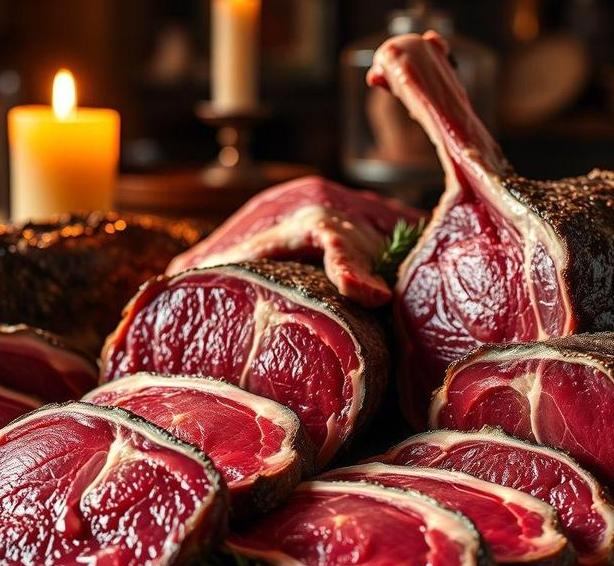
The shelf life of meat varies significantly based on the type of meat, how it’s processed, and how it’s stored. Let’s break it down into categories for clarity:
- Fresh Beef (steaks, roasts): 3-5 days in the fridge
- Ground Beef: 1-2 days in the fridge
- Pork (chops, roasts): 3-5 days in the fridge
- Ground Pork: 1-2 days in the fridge
- Poultry (chicken, turkey): 1-2 days in the fridge
- Fish: 1-2 days in the fridge
- Processed Meats (bacon, hot dogs): 1 week to 2 weeks in the fridge
- Cured Meats (ham, salami): Up to 1-2 weeks in the fridge, or much longer if vacuum-sealed or frozen
- Frozen Meat: Can last anywhere from 4 months (poultry) to a year (beef) in the freezer, though quality diminishes over time.
Important Notes
- Meat can often look and smell fine but still harbor harmful bacteria, so it’s always better to follow safe storage guidelines and use your senses to check for spoilage.
- Freezing meat is a great way to extend its shelf life, but freezing doesn’t stop spoilage completely-it only pauses it.
Common Signs Of Spoilage
Spotting spoiled meat isn’t always as obvious as you might think, so it’s important to trust your senses and keep an eye out for subtle changes. Here are the most common signs that meat has gone bad:
- Color Change: Fresh meat should have a vibrant color (red for beef, pink for pork, and pale yellow or white for poultry). If the meat starts to turn gray, brown, or has a dull color, it’s likely spoiled.
- Smell: Fresh meat should have a clean, neutral smell. If it has a sour, ammonia-like, or rotten odor, it’s best to toss it out.
- Texture: Meat should be firm to the touch, but if it feels slimy, tacky, or sticky, it’s an indication that bacteria are starting to break it down. This is especially common with chicken.
- Excessive Liquid: While some moisture is normal, if there’s an excess of liquid in the packaging, it could be a sign of spoilage, especially with ground meat.
- Mold: In some cases, you may notice mold growing on meat, which is an obvious sign of spoilage. Any visible mold or strange spots are a red flag.
How To Store Meat?
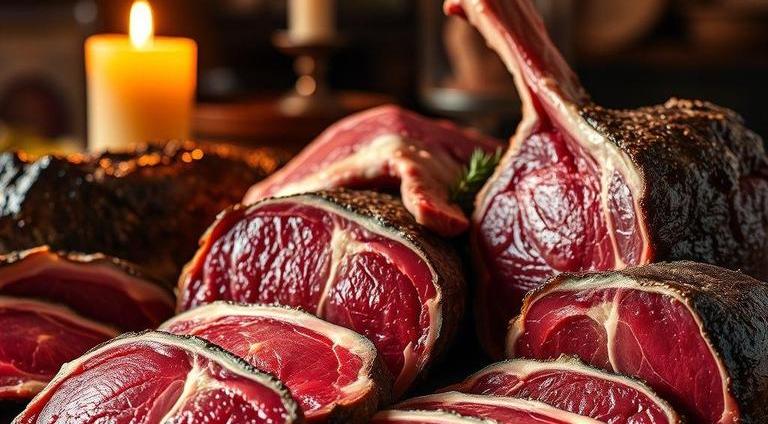
Proper storage is your best defense against meat spoilage. If you don’t want to risk throwing away meat prematurely or exposing yourself to foodborne illness, make sure you’re storing it the right way.
In The Refrigerator
- Temperature: Keep your fridge at or below 40°F (4°C) to slow down bacterial growth. If your fridge is warmer than this, meat can spoil much faster.
- Packaging: Store meat in its original packaging if you plan to use it soon, but if you’re not using it right away, wrap it in plastic wrap or foil, or store it in an airtight container.
- Location: Place meat on the bottom shelf of the fridge, preferably on a plate or tray, to avoid any juices dripping onto other foods.
- Use by Date: If your meat has a “use by” or “sell by” date, try to use it as close to that date as possible for maximum freshness.
In The Freezer
- Freezing Process: To freeze meat properly, wrap it tightly in plastic wrap, aluminum foil, or vacuum-seal it. This helps prevent freezer burn, which can degrade the texture and flavor.
- Freezer Temperature: Set your freezer at 0°F (-18°C) or lower to maintain meat’s quality.
- Label & Date: Always label frozen meat with the date so you know how long it’s been stored. It’s easy to forget what’s in the freezer after a few months!
Thawing Meat
- In the Refrigerator: This is the safest method. Place meat in a dish or on a plate and let it thaw slowly in the fridge for 24-48 hours, depending on the size.
- Cold Water Method: If you’re in a rush, place the meat in a sealed plastic bag and submerge it in cold water. Change the water every 30 minutes to keep it cold.
- Microwave: If you’re really in a pinch, you can use the microwave to defrost meat, but be sure to cook it immediately afterward, as parts of the meat may begin to cook in the microwave.
Expert Tips
- Don’t Overbuy: Even if you’re getting a great deal on bulk meat, don’t buy more than you can use within a few days unless you’re freezing it. This helps avoid wasting food.
- Use a Meat Thermometer: To check that meat is fully cooked, use a meat thermometer. For instance, poultry should reach 165°F (74°C), and beef or pork should reach at least 145°F (63°C) for safety.
- Avoid Refreezing Thawed Meat: If you’ve thawed meat, it’s best not to refreeze it. Doing so can lead to a loss in texture, flavor, and safety.
- Vacuum Sealing: If you’re storing meat long-term, investing in a vacuum sealer can significantly extend its shelf life by keeping air (and bacteria) out.
- Don’t Leave Meat Out: Avoid leaving meat at room temperature for more than 2 hours. The ’danger zone’ (40°F to 140°F, or 4°C to 60°C) is where bacteria grow most rapidly.
FAQs
Can Meat Go Bad Even If It’s Stored In The Fridge?
Yes, meat can still go bad in the fridge. While refrigeration slows down bacterial growth, it does not stop it entirely. Meat should be consumed within a certain timeframe depending on the type of meat and its storage conditions.
How Can You Tell If Meat Has Gone Bad?
Signs that meat has gone bad include an off smell, a slimy texture, discoloration, or the presence of mold. Fresh meat typically has a firm texture and a clean, neutral smell.
How Long Can Meat Stay In The Fridge Before It Goes Bad?
The length of time meat can stay in the fridge before spoiling depends on the type. Ground meat typically lasts 1-2 days, while whole cuts of beef, pork, or lamb can last 3-5 days. Poultry should be consumed within 1-2 days.
Can Frozen Meat Go Bad?
While freezing meat halts bacterial growth and significantly extends its shelf life, frozen meat can still go bad if stored improperly. Freezer burn, which occurs when meat is exposed to air, can affect the taste and texture of the meat, but it is still safe to eat.
What Happens If You Eat Bad Meat?
Eating spoiled meat can lead to foodborne illness, with symptoms including nausea, vomiting, diarrhea, abdominal pain, and fever. This is due to bacteria like Salmonella, E. coli, or Listeria growing on the meat.
Is It Safe To Eat Meat That Has Turned Brown?
Brown meat isn’t necessarily spoiled. Meat turns brown due to exposure to oxygen and the natural oxidation of myoglobin, a protein in the muscle tissue. However, it’s important to check other signs, like smell or sliminess, to confirm whether it’s still safe.
How Should Meat Be Stored To Prevent It From Going Bad?
Meat should be stored in airtight containers or tightly wrapped in plastic or butcher paper. It’s best kept in the coldest part of the fridge or freezer, and should be consumed within recommended timeframes for maximum safety.
Does Cooking Meat Prevent It From Going Bad?
Cooking meat can kill bacteria, but it does not prevent it from spoiling if not stored properly afterward. Cooked meat should be refrigerated promptly and eaten within 3-4 days.
Can Meat Go Bad After Its Sell-by Date?
Meat can go bad after its sell-by date, but this depends on storage conditions and the type of meat. It’s important to use sensory clues, like smell and texture, in addition to checking the sell-by date.
Can I Eat Meat That’s Been Left Out Overnight?
No, it’s not safe to eat meat that’s been left out at room temperature for more than 2 hours. Bacteria can multiply rapidly in the temperature danger zone (40°F to 140°F), leading to potential foodborne illness.