Nuts are a popular snack for many, providing a hearty mix of flavor, texture, and nutrition. Whether you’re grabbing a handful of almonds, tossing cashews into your salad, or munching on pistachios during a movie night, nuts are an essential pantry staple in countless homes. But what happens when those nuts start to lose their freshness? Do they really spoil? And if they do, how can you tell, and more importantly, how do you prevent it?
In this detailed guide, we’re diving deep into the lifespan of your favorite nuts, how to recognize the signs that they’ve gone bad, and the best ways to store them so you can enjoy them at their peak. We’ll break it down into bite-sized sections for easy reading and understanding, with everything you need to keep your nuts in tip-top shape for as long as possible.
Can Nuts Go Bad?
Yes, nuts can go bad, just like any other food. While their high fat content can actually act as a natural preservative, preventing them from going stale as quickly as other snacks, the oils in nuts can still turn rancid over time. When exposed to air, light, heat, or moisture, the healthy fats that give nuts their satisfying richness can begin to break down, leading to off flavors and even potentially harmful compounds.
It’s important to note that nuts are more perishable than many people think. Although they may seem durable, they’re quite sensitive to the conditions in which they’re stored. If you’re eating them in the right timeframe and under the right conditions, you’ll have that crunchy, fresh taste we all love. But if you let them sit for too long without proper storage, the natural oils will degrade, and that nutty, delicious flavor will fade away.
Shelf Life For Nuts
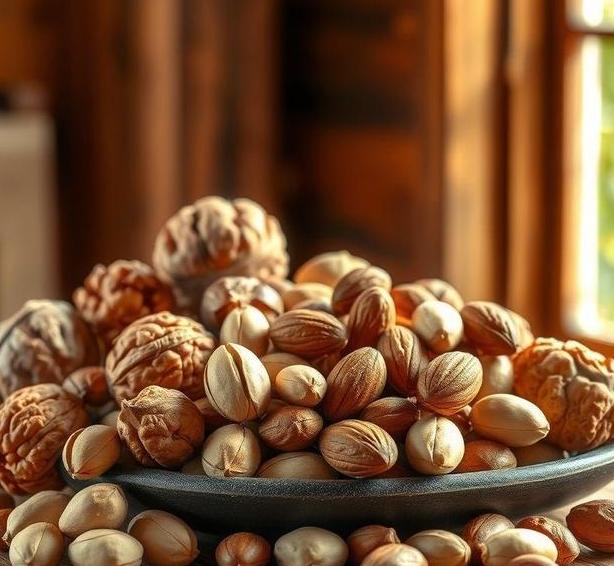
The shelf life of nuts can vary depending on the type of nut and how they’re stored. Below are some general guidelines for different types of nuts:
-
Almonds
- Raw: 6-12 months
- Roasted: 4-6 months
-
Cashews
- Raw: 6-9 months
- Roasted: 4-6 months
-
Walnuts
- In-shell: 6-12 months
- Shelled: 4-6 months
-
Pistachios
- In-shell: 6-12 months
- Shelled: 4-6 months
-
Pecans
- In-shell: 6-12 months
- Shelled: 4-6 months
-
Hazelnuts
- In-shell: 6-12 months
- Shelled: 4-6 months
These shelf life estimates assume that the nuts are stored in optimal conditions. If nuts are kept in warm, humid, or light-exposed environments, they can go bad much quicker. Nuts that are sealed tightly and stored in a cool, dark place will last longer.
Common Signs Of Spoilage
It’s often easy to tell if your nuts have gone bad once you know what to look for. Here are the most common signs of spoiled or rancid nuts:
-
Off Or Sour Smell
Nuts should have a mild, nutty aroma. If they smell sour, bitter, or simply “off”, it’s a strong sign they’ve gone rancid. Rancid fats can develop a pungent, sometimes unpleasant odor, which is a clear indication that the oils inside have broken down.
-
Change In Texture
Fresh nuts should have a crisp and crunchy texture. If they feel soft or rubbery, this could be a sign that moisture has compromised their structure. Moisture can lead to mold growth as well.
-
Off-Taste
A rancid or bitter taste is the most definitive sign of spoiled nuts. The fats in the nuts have begun to oxidize, causing them to taste stale or “off”. If you’re in doubt, just take a small nibble-trust your taste buds!
-
Discoloration
While nuts can naturally vary in color, any drastic change in appearance-like becoming dull, faded, or showing spots of mold-is a red flag. If you notice anything that looks odd, toss those nuts.
-
Presence Of Mold
Mold growth is a telltale sign that your nuts have been exposed to moisture. If you see any signs of mold, discard them immediately. Mold can be harmful to your health and is not worth the risk.
How To Store Nuts?
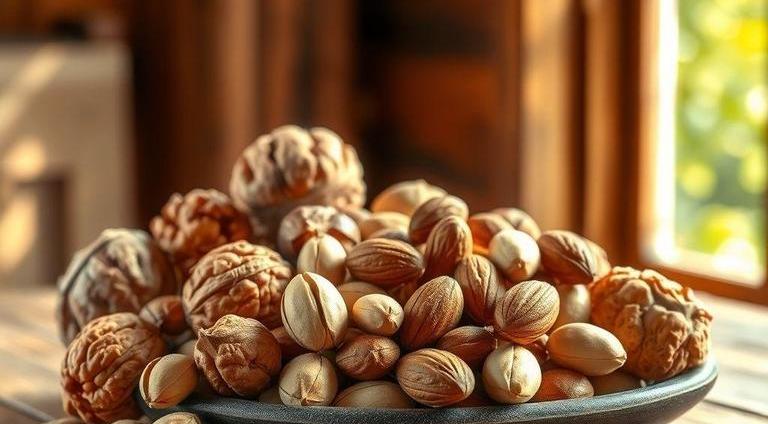
Proper storage is the key to extending the freshness and shelf life of your nuts. Here are some strategies to keep them at their best for as long as possible:
-
Use Airtight Containers
Storing nuts in airtight containers or resealable bags is crucial for keeping air and moisture out. This helps prevent the nuts from becoming stale or absorbing external odors.
-
Keep In A Cool, Dry Place
Nuts should be stored in a cool, dry, and dark environment. A pantry or cupboard away from direct sunlight is ideal. Avoid placing them near heat sources like stoves, ovens, or even windows where sunlight can get to them.
-
Refrigeration
If you have a large quantity of nuts or live in a warm climate, it’s best to store nuts in the refrigerator. This can extend their shelf life significantly. Just make sure they’re in an airtight container to avoid absorbing other odors in the fridge.
-
Freezing
For even longer storage, you can freeze nuts. Place them in a tightly sealed container or freezer bag, and they’ll last up to a year or longer without losing flavor. When you’re ready to use them, just pull out the portion you need and let them thaw at room temperature.
-
Keep Nuts In Their Shells
If you can, keep nuts in their shells until you’re ready to use them. The shells offer natural protection from air, moisture, and contaminants, extending the nuts’ shelf life. Once shelled, store them in airtight containers.
Expert Tips
-
Buy Nuts In Smaller Quantities
If you don’t consume nuts very often, consider buying smaller portions that you’ll use up quickly. This helps avoid the risk of having nuts that sit around too long and go bad.
-
Buy Raw Nuts Over Roasted
Raw nuts tend to last longer than roasted ones. The roasting process, while delicious, can slightly shorten the shelf life due to the added heat. So, if you plan on keeping them for an extended period, opt for raw nuts and roast them when you’re ready to eat them.
-
Don’t Overload On Bulk Nuts
Bulk bins are convenient, but nuts in bulk can have a higher turnover rate, meaning they’re often exposed to more air and light. If you buy nuts in bulk, transfer them to airtight containers as soon as you get home.
-
Use Vacuum Sealing
If you’re looking for the best method for preserving nuts for months or even years, vacuum sealing is an excellent option. It removes air from the packaging, which helps slow down the oxidation process.
-
Label Storage Containers
It’s easy to forget when you bought your nuts, especially if they’ve been sitting in your pantry for a while. Label storage containers with the purchase or expiration date so you can stay on top of freshness.
FAQs
Can Nuts Go Bad Over Time?
Yes, nuts can go bad over time due to exposure to air, moisture, and light, which can cause them to spoil. The oils in nuts can oxidize, leading to rancidity and a loss of flavor.
How Long Do Nuts Last Before They Go Bad?
Nuts generally last 6 months to 1 year if stored properly in a cool, dry place. In the fridge or freezer, they can last up to 1-2 years, depending on the type of nut.
What Are The Signs That Nuts Have Gone Bad?
Signs that nuts have gone bad include a sour or bitter smell, an off taste, discoloration, and a rancid or stale flavor. If the nuts feel soft or mushy, they may have gone bad.
Can You Eat Rancid Nuts?
While eating rancid nuts is not harmful in small quantities, it is best to avoid them. The rancid oils can cause digestive discomfort and may contain harmful free radicals.
How Should Nuts Be Stored To Prevent Them From Going Bad?
Nuts should be stored in airtight containers in a cool, dry place, away from sunlight and heat. For extended freshness, store them in the refrigerator or freezer.
Do Different Types Of Nuts Spoil At Different Rates?
Yes, some nuts spoil faster than others. For example, walnuts and pine nuts tend to go rancid more quickly due to their higher oil content, while almonds and cashews last longer.
Can Unopened Bags Of Nuts Go Bad?
Even unopened bags of nuts can go bad, especially if they are not stored in a cool, dry place. The packaging typically has a shelf life of 6 months to 1 year, after which the quality may decrease.
Is It Safe To Consume Expired Nuts?
It is not recommended to consume expired nuts, especially if they show signs of rancidity or mold. While expired nuts may not be dangerous in small amounts, they can taste bad and may cause stomach upset.
How Do You Tell If Nuts Have Gone Rancid Without Tasting Them?
Rancid nuts often emit a sour or bitter odor. If you detect an off or unpleasant smell, it’s a good indication that the nuts have gone bad.
Can Freezing Nuts Help Preserve Them Longer?
Yes, freezing nuts can significantly extend their shelf life. The cold environment slows down the oxidation process, keeping nuts fresh for up to 1-2 years when stored properly in airtight packaging.