Prawns, a delicacy adored by seafood lovers, are a versatile and delicious addition to various dishes. Whether grilled, sautéed, or tossed into a stir-fry, they’re a crowd-pleaser. But have you ever wondered how long prawns stay fresh after buying them or how to tell if they’ve gone bad? This question is especially relevant considering prawns are perishable, and their freshness can deteriorate quickly without proper care.
In this guide, we’ll dive into everything you need to know about prawns: how to store them correctly, how to identify when they’ve spoiled, and how long you can keep them around before they become unsafe to eat. So, let’s get started on the fascinating world of prawns and food safety!
Can Prawns Go Bad?
Yes, prawns can certainly go bad, and it’s crucial to know how to spot the signs to avoid consuming them when they’re no longer safe. Like most seafood, prawns have a short shelf life and are highly susceptible to bacterial growth once they’ve been harvested. If not stored properly or consumed within a certain time frame, prawns can quickly become unsafe to eat. Whether fresh, frozen, or cooked, prawns need proper handling to maintain their quality and prevent them from spoiling.
Here’s a quick breakdown of why prawns spoil so quickly:
- High Moisture Content: Prawns contain a lot of water, which makes them a prime target for bacteria and mold.
- Temperature Sensitivity: Prawns are very sensitive to temperature changes. If not kept cold, bacteria multiply quickly, especially at room temperature.
- Delicate Texture: Unlike other proteins, prawns are soft and tender, so they can break down quickly, leading to off smells and changes in texture.
Shelf Life For Prawns
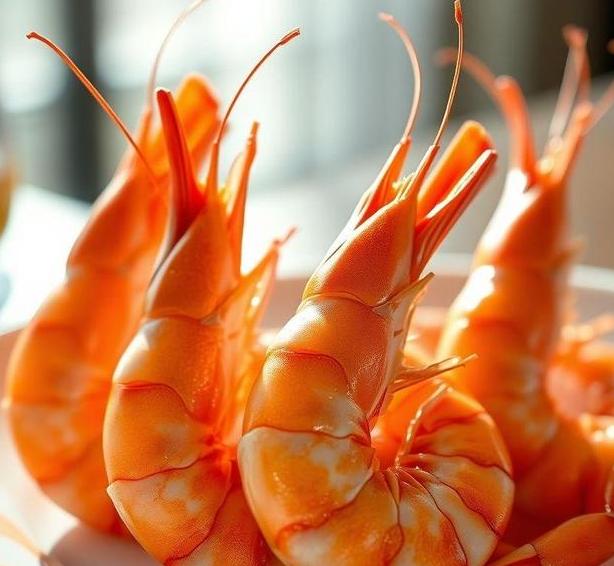
Understanding how long prawns last is essential to enjoying them at their best. The shelf life of prawns depends largely on whether they’re fresh, frozen, or cooked.
-
Fresh Prawns (Uncooked)
- Refrigerated: Fresh prawns should be kept in the fridge at a temperature of 40°F (4°C) or lower. They can last anywhere from 1 to 2 days. If they’re not cooked within that window, they risk spoiling.
- Frozen: When frozen, prawns can last much longer. They’ll retain their quality for up to 6 months in a standard freezer. However, for the best taste and texture, use them within 3 months.
-
Cooked Prawns
- Refrigerated: Once cooked, prawns should be stored in an airtight container in the fridge. They’ll last about 2 to 3 days before they need to be consumed.
- Frozen: If you want to extend the shelf life of cooked prawns, freezing is an option. They can last up to 3 months in the freezer, but they may lose some texture and flavor once thawed.
Remember: the quicker you consume prawns, the fresher and safer they’ll be. Always try to use them within the recommended time frame to avoid the risk of foodborne illnesses.
Common Signs Of Spoilage
Knowing when prawns have gone bad is essential for both safety and quality. Spoiled prawns not only lose their pleasant taste but can also cause food poisoning. Here are the most common signs to look for:
- Off Smell: Fresh prawns have a sweet, oceanic scent. As they begin to spoil, they’ll emit a strong, pungent odor-often described as ammonia-like or sour. If your prawns smell foul or overly fishy, they’re no longer safe to eat.
- Discoloration: Fresh prawns typically have a translucent or slightly grayish color. As they go bad, they may turn a pale, dull, or yellowish hue. If you notice any off-color or dark spots on the prawns, it’s a clear indicator that they’ve begun to spoil.
- Slimy or Sticky Texture: Prawns should feel firm and slightly moist to the touch, not slimy or overly sticky. If the texture feels off or unpleasant, it’s time to throw them out.
- Loose Shells or Abnormal Texture: The shells of fresh prawns should be intact. If they begin to peel off easily or appear damaged, that’s a sign they may have deteriorated. Similarly, the flesh may become mushy or soft, which is not ideal.
- Curling or Deformed Shape: Fresh prawns will have a natural curve, but if they’re left too long at room temperature or improperly stored, they may curl up unnaturally or even become stiff, a clear indication that they’ve gone bad.
How To Store Prawns?
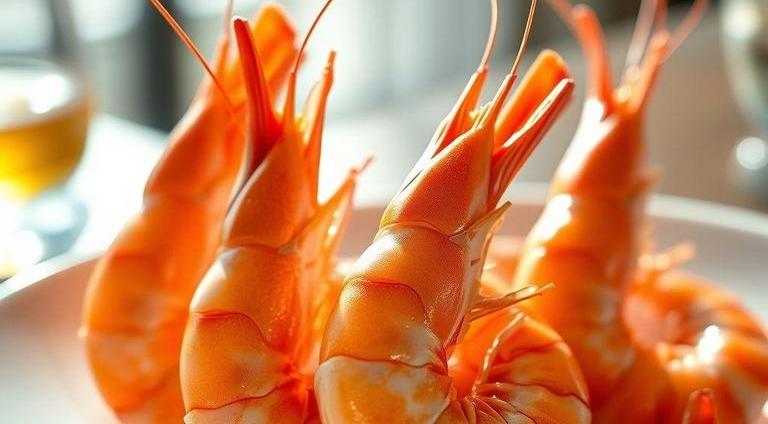
Storing prawns correctly is key to maximizing their shelf life and preserving their freshness. Here are some expert tips on how to handle them properly:
-
Fresh Prawns
- Keep fresh prawns in the coldest part of your fridge (usually at the back), ideally in a container lined with ice. This helps maintain their freshness.
- Avoid storing prawns in air-tight bags or containers without air circulation. Moisture can build up, causing them to spoil faster.
- If you’re not planning to use them right away, freeze them as soon as possible.
-
Frozen Prawns
- For the best quality, store prawns in a freezer-safe bag or airtight container, ensuring there’s as little air as possible in the packaging. The less air, the less risk of freezer burn.
- Avoid repeatedly thawing and refreezing prawns. This will not only affect their taste but also increase the risk of bacterial contamination.
-
Cooked Prawns
- Once cooked, prawns should be refrigerated within two hours of preparation. Store them in an airtight container to lock in moisture and prevent them from absorbing other odors.
- If you plan on freezing cooked prawns, ensure they are cooled completely before storing. This preserves the taste and texture when reheated.
-
Defrosting Prawns
- Always defrost prawns in the fridge or under cold running water. Avoid thawing them at room temperature, as bacteria grow rapidly in warm environments.
- Never refreeze prawns once they’ve been thawed, as this affects both quality and safety.
Expert Tips
- Buying Prawns: When buying prawns, always look for ones that are firm and have a translucent color. If possible, buy them from a reputable fishmonger who can provide you with fresh stock.
- Avoiding Ammonia Smell: If you ever notice an ammonia-like smell from prawns, it’s a strong indicator that they’re no longer safe to eat. The smell is a sign of decomposition and bacterial activity, so discard them immediately.
- Use Ice for Freshness: When transporting fresh prawns from the store to your home, use a cooler with ice or ice packs to ensure they stay at the right temperature. This helps maintain their quality and delays spoilage.
- Squeeze the Shell: Fresh prawns should have a firm shell. If you can easily squeeze the shell or it feels mushy, avoid purchasing them.
FAQs
Can Prawns Go Bad In The Fridge?
Yes, prawns can go bad in the fridge if they are not stored properly. Fresh prawns should be consumed within 1-2 days of purchase. If stored in an airtight container, they can last up to 3 days in the fridge, but it’s best to check for any signs of spoilage.
How Can You Tell If Prawns Are Spoiled?
Spoiled prawns typically have a strong, unpleasant odor, a slimy texture, or discoloration. Fresh prawns should have a mild, ocean-like smell, firm texture, and translucent color. Any change in these characteristics is a sign that the prawns may be bad.
Can Prawns Go Bad If Left Out At Room Temperature?
Yes, prawns can go bad if left out at room temperature for more than 2 hours. Bacteria can grow rapidly at room temperature, increasing the risk of foodborne illnesses. Always refrigerate prawns promptly after purchasing or preparing them.
How Long Can Prawns Last In The Freezer?
Prawns can last up to 6 months in the freezer if stored properly in an airtight container or sealed bag. However, for the best quality, it’s recommended to consume them within 3 months.
Can Frozen Prawns Go Bad?
Yes, frozen prawns can go bad over time. While freezing them significantly extends their shelf life, if they are improperly stored or thawed and refrozen, they can lose flavor, texture, and quality. Always check for signs of freezer burn or changes in appearance.
What Should I Do If Prawns Smell Bad?
If prawns smell bad, it’s a strong indication that they have spoiled and should not be consumed. The foul odor is usually caused by bacterial growth, and consuming spoiled prawns can lead to food poisoning.
Can Prawns Go Bad In A Vacuum-sealed Bag?
Prawns can stay fresher for a longer period if vacuum-sealed, as the lack of air prevents bacterial growth. However, they can still go bad if stored for too long or if the vacuum seal is compromised. Always check the expiration date and storage instructions.
Can Cooked Prawns Go Bad?
Yes, cooked prawns can go bad, typically within 2-3 days when stored in the fridge. They should be kept in an airtight container to prevent contamination. If you don’t plan to eat them within a few days, freezing is a good option.
What Is The Shelf Life Of Prawns In The Shell?
Prawns in the shell can last up to 2 days in the fridge if properly stored. They have a shorter shelf life than peeled prawns due to the shell trapping bacteria and moisture. They can last up to 6 months in the freezer if stored correctly.
How Should Prawns Be Stored To Prevent Spoilage?
Prawns should be stored in the coldest part of the fridge or freezer. If refrigerated, keep them in an airtight container or wrapped in plastic wrap with a layer of ice to maintain freshness. If frozen, ensure they are in a sealed, airtight bag or container.