Raspberries are one of those fruits that bring a burst of flavor and freshness into any dish, whether you’re tossing them in a salad, blending them into a smoothie, or simply snacking on them straight from the container. But as delightful as they are, they are also known to spoil quickly. There’s a certain fleeting nature to raspberries; they don’t stay fresh for long, and the window for enjoying them at their prime can be pretty narrow. In this guide, we’ll dive deep into everything you need to know about the shelf life of raspberries, how to spot when they’ve gone bad, and the best ways to store them for maximum freshness.
Let’s explore why raspberries can be a bit tricky to manage and how you can get the most out of them before they turn, well… mushy.
Can Raspberries Go Bad?
Absolutely! Like most fresh berries, raspberries are highly perishable. Their delicate structure, thin skin, and high water content make them susceptible to mold, mushiness, and general deterioration, even with the best of storage practices. While it’s easy to assume that all fruits go bad eventually, raspberries have a particularly short shelf life compared to other berries like strawberries or blueberries. The reason for this is largely because raspberries are composed of tiny drupelets (those little individual "seeds" you see on the surface), and when one of them starts to spoil, it can trigger a domino effect, rapidly affecting the entire fruit.
The prime culprit behind raspberries going bad is moisture, which encourages mold growth, and their fragile skin, which bruises easily. Plus, they’re very sensitive to temperature and can become overripe in just a day or two, depending on how they’re stored.
Shelf Life For Raspberries
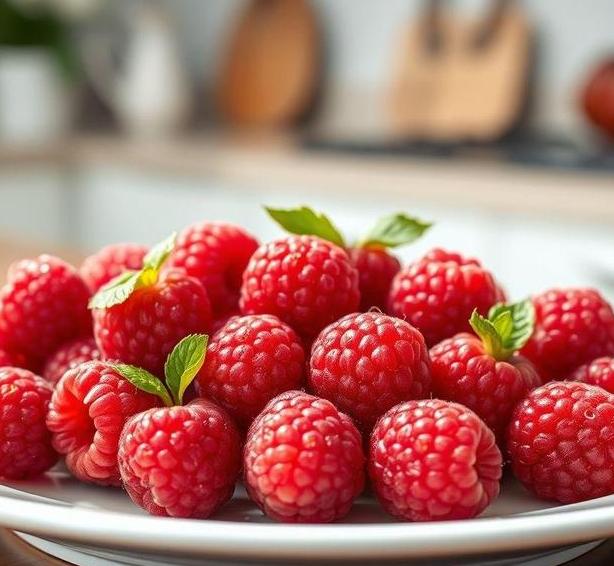
Raspberries have a notoriously short shelf life, and understanding this is crucial if you want to enjoy them while they’re still fresh. Here’s an in-depth look at how long raspberries typically last:
-
Room Temperature
- Raspberries can last for 1 to 2 days when left at room temperature, depending on their ripeness when you purchase them. However, they’re best enjoyed within the first 24 hours for maximum freshness.
- The warmer your room, the quicker they’ll spoil.
-
Refrigerator
- When stored properly in the fridge, raspberries can stay fresh for about 2 to 3 days. They should be placed in a shallow container to avoid squashing and should be kept dry to minimize moisture exposure.
-
Freezer
- If you need to extend the shelf life of raspberries, freezing them is an excellent option. Frozen raspberries can last for 6 to 12 months in a properly sealed container or bag. Just make sure to follow the proper freezing method to avoid freezer burn.
Remember, these time frames can vary based on the freshness of the raspberries when you buy them and the storage conditions.
Common Signs Of Spoilage
If you’re ever unsure whether your raspberries have gone bad, there are several signs to look out for. Spoiled raspberries aren’t just a little soft-they can be a full-on mushy mess, so it’s important to recognize these red flags before you take a bite.
-
Mold Growth
- One of the most obvious signs that raspberries have gone bad is the presence of mold, which can appear as fuzzy patches of white, gray, or even black spots on the surface. Mold thrives on moisture, so this is common in overripe berries.
-
Soft Or Mushy Texture
- Raspberries are naturally delicate, but they should still have a firm, juicy feel. When they become mushy or squishy, that’s a good indication they’re no longer fresh. Overripe raspberries can collapse when you pick them up.
-
Discoloration
- Raspberries have a naturally vibrant red hue, so when they start turning dull, brown, or grayish, it’s a sign that the fruit is past its prime. You may also notice some of the drupelets (little “seeds” on the berry’s surface) start to shrivel and shrunk.
-
Off Smell
- Fresh raspberries have a sweet, fragrant aroma, but when they go bad, they often emit a sour or fermented smell. If your raspberries don’t smell as pleasant as they did when you first got them, it’s time to toss them.
-
Taste Change
- Raspberries that have gone bad might taste sour, off, or overly fermented. If you bite into one and it tastes more acidic than usual, it’s no longer good to eat.
How To Store Raspberries?

Given their delicate nature, proper storage is key to extending the shelf life of your raspberries. Here are some best practices to ensure your berries stay fresh for as long as possible:
-
Don’t Wash Before Storing
- Raspberries are highly sensitive to moisture. Washing them before storing can lead to mold growth and premature spoilage. Only wash them just before consumption to keep them dry and fresh.
-
Use A Shallow Container
- To prevent raspberries from getting squashed and bruised, store them in a shallow container that allows airflow around the berries. Ideally, they should be spread out in a single layer or in multiple layers with paper towels in between each one to absorb any excess moisture.
-
Refrigerate Immediately
- If you’re not planning to eat your raspberries right away, store them in the fridge as soon as possible. The cold temperature slows down the ripening process, extending their shelf life by a couple of days.
-
Keep Them Dry
- Excess moisture is the enemy of raspberries. If you notice any condensation in the container, gently pat the berries dry with a paper towel before resealing the container.
-
Consider Freezing For Longevity
- To preserve raspberries for an extended period, freeze them. The best method is to lay them out on a baking sheet in a single layer and freeze them for a couple of hours before transferring them to an airtight container or freezer bag. This prevents the berries from clumping together.
Expert Tips
-
Know When To Buy
- When shopping for raspberries, choose those that are plump, vibrant, and free from any visible mold or squished berries. The fresher the raspberries are when you buy them, the longer they will last at home.
-
Use A Paper Towel
- Place a paper towel at the bottom of the storage container to absorb moisture and help keep the berries dry. This can prevent them from becoming soggy and moldy too quickly.
-
Keep Them Separate
- If you’re storing different types of berries, make sure to keep raspberries in their own container, as their rapid ripening can affect other berries nearby.
-
Use Fresh Raspberries Promptly
- If you notice that your raspberries are starting to soften but aren’t yet bad, use them in smoothies, sauces, or baked goods to make the most of their flavor before they completely spoil.
FAQs
How Long Do Raspberries Last Before Going Bad?
Raspberries typically last about 2 to 3 days in the refrigerator, but their shelf life can be extended to 1 to 2 weeks if properly stored in a sealed container or with a dry paper towel to absorb excess moisture.
How Can You Tell If Raspberries Have Gone Bad?
Raspberries that have gone bad will become mushy, discolored (darkening to a dull brown or black), and may start to develop mold. A sour or off smell is also a clear sign of spoilage.
Can You Eat Raspberries If They Are Moldy?
It is not recommended to eat raspberries with visible mold. Mold can produce harmful toxins that can cause health issues, and the entire container should be discarded if mold is present.
How Should Raspberries Be Stored To Prevent Them From Going Bad?
To keep raspberries fresh longer, store them in the refrigerator in a breathable container. Avoid washing them before storage, as moisture accelerates spoilage. Use a paper towel to absorb excess moisture and prevent mold growth.
Can Raspberries Go Bad In The Freezer?
Raspberries can be frozen to extend their shelf life. However, they may lose their texture and become mushy when thawed. To freeze, spread them on a baking sheet to freeze individually before transferring them to an airtight container.
Do Raspberries Last Longer If They Are Not Washed?
Yes, raspberries last longer if they are not washed before storage. Washing them introduces moisture, which can cause them to spoil faster. It is best to wash them just before eating or using them.
Can Raspberries Be Stored At Room Temperature?
Raspberries should not be stored at room temperature for extended periods. They are highly perishable and can go bad in as little as a day if left out. It is best to refrigerate them as soon as possible.
How Do Raspberries Compare To Other Berries In Terms Of Spoilage?
Raspberries are one of the most delicate berries and spoil the quickest compared to others like strawberries or blueberries. They have a high moisture content and are more prone to mold and mushiness.
What Is The Best Way To Extend The Shelf Life Of Raspberries?
To extend the shelf life of raspberries, store them in a shallow container with a paper towel to absorb moisture, and keep them in the coldest part of the refrigerator. Alternatively, freezing them can also preserve their quality for several months.
Can Raspberries Go Bad If Left Out Overnight?
Yes, raspberries can go bad if left out overnight, especially in warm or humid conditions. The high moisture content in raspberries promotes rapid bacterial growth, which can lead to spoilage or mold development.