Semifreddo, an Italian dessert that translates to "half-cold," is a creamy, velvety treat that exists somewhere between ice cream and mousse. It’s not frozen solid, but more of a chilled, airy confection with rich flavors. Typically made with whipped cream, egg yolks, sugar, and sometimes fruit or nuts, semifreddo offers the perfect balance of sweetness and lightness. Its smooth, soft texture makes it irresistible, and it’s a favorite choice for anyone looking for a decadent dessert that’s not as heavy as traditional ice cream.
However, like all perishable foods, semifreddo has a shelf life. Given that it often contains dairy, eggs, and other perishable ingredients, it’s important to know how to properly store it and recognize when it has gone bad. This is where we dive into the nitty-gritty of how long your beloved semifreddo can last, what signs to look for when it’s no longer safe to eat, and the best ways to keep it fresh.
Can Semifreddo Go Bad?
Yes, just like any other dessert that involves dairy, eggs, and fresh ingredients, semifreddo can go bad. The reason is simple: it contains perishable items that can spoil if left out too long or stored improperly. Given the texture of semifreddo-soft and mousse-like-it’s also more susceptible to rapid changes in temperature, which can lead to bacterial growth, changes in flavor, or the development of unpleasant textures.
Semifreddo contains a lot of moisture due to the cream and eggs. If not handled carefully, it can be a breeding ground for bacteria like Salmonella (from raw eggs) or even just experience flavor degradation over time. The key to enjoying it at its best is to store it correctly, consume it within the recommended timeframe, and ensure it’s kept at the right temperature.
Shelf Life For Semifreddo
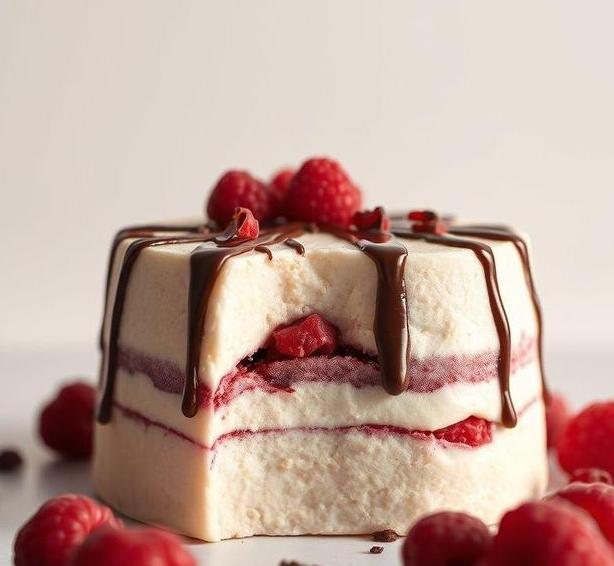
The shelf life of semifreddo depends on a variety of factors, including how it was made, how fresh its ingredients were, and how well it’s stored. Here’s a breakdown of what you can expect:
-
Homemade Semifreddo
- If made with fresh ingredients and stored properly, homemade semifreddo can last for up to 1-2 weeks in the freezer. However, after about a week, the texture may begin to degrade, becoming more icy than creamy, and the flavors may not be as fresh.
- It’s important to consume it within this window to enjoy its best flavor and texture.
-
Store-Bought Semifreddo
- Most store-bought versions will have a shelf life clearly marked on the packaging. Typically, store-bought semifreddo can last in the freezer for 3 months from the date of purchase. However, once opened, you should aim to eat it within 1-2 weeks for optimal taste and texture.
- Pre-packaged semifreddo may contain stabilizers or preservatives, which can help it last a bit longer without sacrificing quality.
-
Frozen Semifreddo
- The cold environment helps preserve the semifreddo for longer. When stored at a consistent freezing temperature (around 0°F or -18°C), your semifreddo should remain safe to eat for up to 3 months, though this is dependent on storage conditions.
Common Signs Of Spoilage
Just because your semifreddo is frozen doesn’t mean it’s immune to spoilage. Like all frozen desserts, its texture, taste, and appearance will change over time. Here are some signs to look for that indicate your semifreddo may have gone bad:
- Off Smell: When you open the container, take a sniff. A sour or rancid smell is a clear indicator that bacteria have started to grow, and it’s no longer safe to eat. The dairy and egg components in semifreddo can go bad quickly, causing it to develop a rotten odor.
- Discoloration or Separation: If you notice that your semifreddo has developed an uneven color or if the ingredients seem to have separated (like if you see pools of liquid), it’s time to throw it out. This can happen due to improper storage or a prolonged shelf life. The texture may also become too watery or overly icy.
- Freezer Burn: If the semifreddo has been improperly sealed or exposed to air for an extended period, you might notice visible signs of freezer burn. This typically manifests as a dry, chalky appearance on the surface, and while it may not be harmful, it will significantly affect the taste and texture.
- Changes in Texture: Semifreddo should be creamy and smooth when scooped. If you notice that the texture has become grainy, icy, or overly hard (almost like ice cream), it’s a sign that it has thawed and refrozen or been stored improperly. While it may still be safe to eat, it will no longer have the light, airy quality that makes it special.
- Taste Test: Finally, the taste will always be your best indicator. If your semifreddo has lost its freshness, or if it has a tangy or sour taste, don’t risk eating it. The flavor should be rich and balanced, not sour or off-putting.
How To Store Semifreddo?
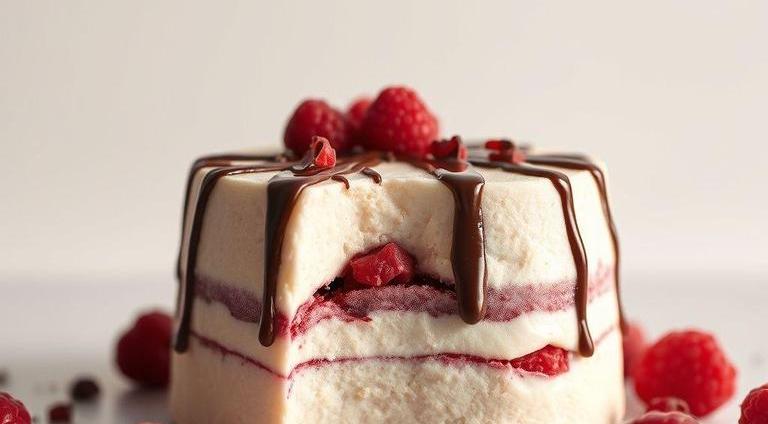
Proper storage is the key to extending the shelf life of your semifreddo. Here’s how to make sure it stays as fresh as possible:
-
In The Freezer
- Keep your semifreddo in the freezer at a consistent temperature of 0°F (-18°C). This is crucial for maintaining the right texture and flavor.
- Use airtight containers: Semifreddo should be stored in an airtight container to prevent exposure to air, which can cause freezer burn and spoilage. Make sure the lid is tightly sealed to maintain its creamy consistency.
- Avoid temperature fluctuations: Don’t let your semifreddo thaw and refreeze. Repeated thawing and freezing can break down the structure of the dessert, leading to a loss of texture and flavor.
- Cover it well: If you’re storing homemade semifreddo, cover the surface with a piece of parchment paper before sealing it in the container. This prevents ice crystals from forming on top, which can affect the creamy texture.
- Keep it away from strong-smelling foods: Like most dairy-based products, semifreddo can absorb odors from other foods in the freezer. Store it away from pungent items like fish, onions, or garlic.
- Serving Size: If you’re not sure how much to eat at a time, consider portioning out the semifreddo before freezing it. This way, you only defrost the amount you plan to eat, which helps maintain the rest of it in a fresh state.
Expert Tips
- Thawing: When you’re ready to enjoy your semifreddo, always let it thaw in the refrigerator, not at room temperature. This helps the dessert maintain its texture and prevents it from melting unevenly. Aim for a thawing time of 30-60 minutes depending on the size of the portions.
- Make It at Home: If you’re looking for more control over the quality of your semifreddo, consider making it at home. That way, you can use fresh, high-quality ingredients and tailor it to your taste. Plus, you can avoid the use of preservatives or stabilizers found in some store-bought versions.
- Add-ins and Flavors: Want to give your semifreddo an extra twist? You can experiment with different flavorings like coffee, chocolate, citrus zest, or even spices like cinnamon or cardamom. These ingredients not only add complexity but can also enhance its shelf life by balancing the fats and sugars.
- Mini Servings: For easy storage and individual servings, consider making smaller portions of semifreddo. You can scoop the dessert into muffin tins or small ramekins before freezing. This way, you can defrost just a little at a time, keeping the rest of it in perfect condition.
FAQs
Can Semifreddo Go Bad If Left Out At Room Temperature?
Yes, semifreddo can go bad if left out at room temperature for too long. Since it contains dairy, eggs, and other perishable ingredients, it should not be left out for more than 2 hours. Bacteria can grow rapidly in warm temperatures, leading to spoilage.
How Long Can Semifreddo Be Stored In The Refrigerator?
Semifreddo can typically be stored in the refrigerator for up to 3-5 days. It’s important to cover it properly to prevent it from absorbing odors from other foods in the fridge.
Can Semifreddo Be Frozen For Long-term Storage?
Yes, semifreddo can be frozen for long-term storage. It can stay in the freezer for up to 1-2 months. However, freezing may affect its texture and make it less creamy once thawed.
What Signs Indicate That Semifreddo Has Gone Bad?
Signs that semifreddo has gone bad include an off or sour smell, discoloration, separation of ingredients, or an unusual texture. If it has a slimy or watery consistency, it is likely spoiled.
Can You Eat Semifreddo After Its Expiration Date?
While the expiration date on store-bought semifreddo is a helpful guideline, it is not a guarantee of freshness. Always check for any signs of spoilage before consuming, even if the date has passed.
Does Semifreddo Spoil Faster Than Ice Cream?
Yes, semifreddo generally spoils faster than ice cream because it contains a higher proportion of dairy and eggs, which are more perishable. Ice cream, on the other hand, typically has a lower water content and may last longer in the freezer.
Can I Tell If My Homemade Semifreddo Is Bad Without Tasting It?
Yes, you can usually tell if homemade semifreddo has gone bad by its smell, appearance, and texture. If it has an off or sour smell, or if it has become watery or separated, it is best to discard it.
How Can I Store Semifreddo To Make It Last Longer?
To extend the shelf life of semifreddo, store it in an airtight container in the refrigerator. If freezing, ensure it is tightly wrapped to avoid freezer burn and loss of texture.
Can I Refreeze Semifreddo After It Has Thawed?
Refreezing semifreddo after it has thawed is not recommended, as it can affect its texture and quality. Thawed semifreddo may become grainy or lose its smooth consistency upon refreezing.
Can Semifreddo Go Bad If Made With Raw Eggs?
Yes, semifreddo made with raw eggs can go bad faster due to the risk of bacterial contamination, such as Salmonella. If you’re concerned about raw eggs, consider using pasteurized eggs to reduce the risk of foodborne illness.