Spinach, the vibrant leafy green, is a nutrition powerhouse that has earned its place as a kitchen staple. Whether used in smoothies, salads, soups, or cooked into a savory dish, its versatility and health benefits make it a go-to ingredient for many. However, like all fresh produce, spinach has a limited shelf life, and if not stored properly, it can spoil quickly. So, if you’re someone who buys spinach in bulk or tends to forget about the leafy greens in your fridge, you might be wondering: How long does spinach last, and how can I tell if it’s gone bad?
Let’s break it down for you-understanding spinach’s shelf life, how to spot signs of spoilage, and the best ways to store it to maximize freshness will ensure you can enjoy it to the fullest without worrying about waste.
Can Spinach Go Bad?
Absolutely. Fresh spinach is highly perishable, and without the right storage, it will start to deteriorate rather quickly. Spinach leaves, especially the tender baby variety, are prone to wilting, drying out, and spoiling. When spinach is exposed to air, moisture, or temperatures that aren’t ideal, it can go bad in a matter of days-sometimes even faster than you might expect. So, the answer is yes, spinach can indeed go bad, and it can do so quite rapidly, which is why you should pay attention to how you store it.
Shelf Life For Spinach
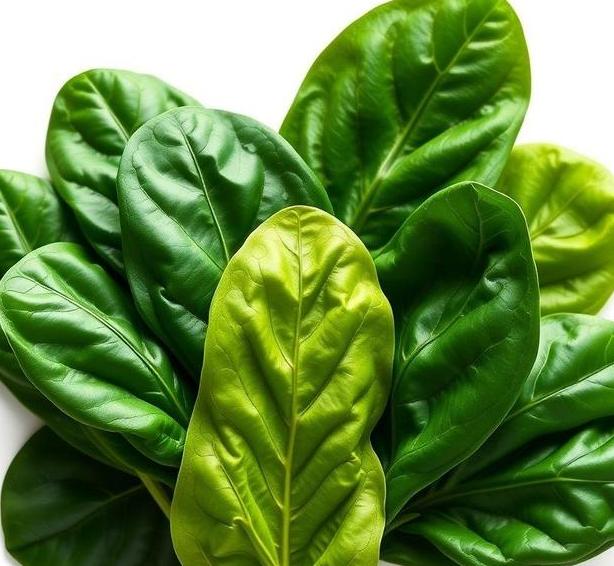
How long spinach lasts depends on several factors: the form it’s in (fresh, frozen, or cooked), how it’s stored, and the freshness when you buy it. Here’s a breakdown of the general shelf life for spinach under various conditions:
-
Fresh Spinach (in The Fridge)
- Unwashed spinach: Around 5 to 7 days.
- Washed spinach: If you’ve washed it and stored it in a sealed container, it typically lasts around 3 to 5 days. However, once it’s washed, moisture can accelerate spoilage, so the sooner you use it, the better.
-
Frozen Spinach
- If you buy spinach that’s already frozen, it can last much longer, often 6 to 12 months in the freezer. Just make sure the packaging is intact and free from air exposure to prevent freezer burn.
-
Cooked Spinach
- Cooked spinach will last about 3 to 4 days in the fridge, stored in an airtight container. If you’ve prepared a large batch, consider freezing some of it to extend its usability.
Common Signs Of Spoilage
Now, let’s dive into the clues that will help you determine when spinach has gone bad. As with most produce, the signs of spoilage are usually pretty visible and smellable, so it’s not hard to tell when it’s time to toss it out.
Here are the common signs of spoiled spinach:
-
Wilting Or Yellowing Leaves
- Fresh spinach is crisp and vibrant green. If you notice the leaves starting to wilt or turn yellowish, this is a clear sign that it’s beginning to spoil. While wilting doesn’t mean it’s unsafe to eat, it’s not the best quality anymore and may not taste as good.
-
Slimy Or Mushy Texture
- Spinach that’s gone bad tends to get slimy and mushy. If the leaves are wet or have a slippery feel, it’s time to let it go. This is especially true if the spinach feels soggy or overly soft to the touch.
-
Foul Odor
- Fresh spinach has a mild, earthy scent. However, when it starts to spoil, it will develop a sour, rotten smell. If you notice any unpleasant odor, it’s a red flag that the spinach is no longer good to eat.
-
Brown Or Black Spots
- While some minor discoloration or a few dark spots on spinach leaves aren’t necessarily a cause for concern, a lot of brown or black spots are an indication of decay. This could mean the spinach is starting to decompose, and it should be discarded.
-
Wet, Moldy Spots
- Any visible mold on spinach, especially in the form of fuzzy or discolored patches, means that it is beyond saving. Mold grows quickly on moist leaves, so once you spot it, it’s time to throw it out.
How To Store Spinach?
To make sure your spinach stays fresh for as long as possible, proper storage is key. Here are some foolproof ways to keep your spinach from wilting too soon:
For Fresh Spinach
- Refrigerate Immediately: Spinach should be stored in the fridge as soon as you bring it home. The cold helps slow down the wilting process.
- Use a Damp Paper Towel: If you’re storing fresh spinach for a few days, place a slightly damp paper towel in the container with the leaves. This will help maintain moisture without making them soggy.
- Store in a Ventilated Bag: Store your spinach in a perforated plastic bag or a container with ventilation holes. This allows airflow, preventing excess moisture from causing the leaves to rot too quickly.
- Avoid Storing in an Airtight Bag: While it might seem like sealing your spinach in an airtight container would keep it fresh, this can actually trap too much moisture and speed up the spoilage process.
For Washed Spinach
- Dry Thoroughly: If you’ve washed spinach before storing it, be sure to dry the leaves thoroughly. Use a salad spinner to get rid of excess water. Moisture is spinach’s enemy, and leaving the leaves wet can lead to mold growth or quicker deterioration.
- Store in a Paper Towel-Lined Container: If you want to store washed spinach, place it in a container lined with a paper towel to absorb any moisture. This will keep it fresher longer.
For Frozen Spinach
- Blanch Before Freezing: To preserve spinach for a long time, it’s best to blanch it first. This involves briefly boiling the leaves and then plunging them into ice water to stop the cooking process. Blanching helps retain color, texture, and nutrients.
- Use Freezer Bags or Containers: Once blanched and dried, pack spinach into airtight freezer bags or containers. Press out any excess air to prevent freezer burn.
- Label and Date: Don’t forget to label your frozen spinach with the date you froze it, so you know how long it’s been stored. Spinach can last up to a year in the freezer, but it’s always best used within 6 months for peak flavor and texture.
Expert Tips
To keep your spinach as fresh as possible, here are some pro tips to keep in mind:
- Use a Produce Crisper Drawer: If your fridge has a produce drawer, store your spinach there. The temperature and humidity are usually more optimal for leafy greens.
- Avoid Buying Pre-washed Spinach: Pre-washed spinach tends to spoil faster due to its added moisture content. If you can, wash it yourself just before you plan to use it to ensure it stays fresher longer.
- Don’t Pack Spinach Too Tightly: Overpacking spinach can crush the leaves and speed up the wilting process. If you’re storing it in a container, make sure there’s enough space for air circulation.
- Freeze Larger Batches: If you’ve bought more spinach than you can use in a few days, consider freezing it to prevent waste. You can even blend it into smoothie portions, so it’s easy to grab and use straight from the freezer.
FAQs
Can Spinach Go Bad If Left Out At Room Temperature?
Yes, spinach can go bad if left out at room temperature for too long. Typically, perishable vegetables like spinach should not be left out for more than 2 hours. After this period, bacteria growth accelerates, and the spinach may become unsafe to eat.
How Can You Tell If Spinach Has Gone Bad?
Signs that spinach has gone bad include wilting, yellowing, or browning leaves. It may also feel slimy or mushy, and it could emit a sour or unpleasant odor. If the leaves are discolored or the stems are soft and mushy, it’s best to discard the spinach.
How Long Does Spinach Last In The Refrigerator?
Fresh spinach typically lasts about 3 to 7 days in the refrigerator when stored properly. To extend its shelf life, store it in a paper towel-lined container to absorb excess moisture, or use a vented produce bag to allow airflow.
Can Spinach Go Bad After Being Cooked?
Yes, cooked spinach can go bad if not stored properly. Cooked spinach should be refrigerated within two hours of cooking and can last 3 to 5 days in the fridge. If it develops a sour smell or slimy texture, it has likely spoiled.
Can Spinach Go Bad In The Freezer?
Spinach can be frozen, but it may lose its texture once thawed. Blanching the spinach before freezing can help preserve its quality. Frozen spinach typically lasts about 10 to 12 months, but it is best to consume it within 6 months for optimal taste and texture.
Does Spinach Spoil Faster If It’s Washed Before Storing?
Yes, spinach that is washed before storing may spoil faster. The added moisture from washing can promote bacterial growth and mold. It’s best to store spinach dry and wash it just before use.
Can Spinach Go Bad If It’s Past The Sell-by Date?
The sell-by date is an indicator of freshness but not a guarantee that spinach will spoil immediately after that date. However, spinach can go bad before or after the sell-by date depending on how it’s been handled and stored. Always check for signs of spoilage such as discoloration or foul odor.
What Happens If You Eat Spinach That’s Gone Bad?
Eating spinach that has gone bad may cause foodborne illness, including symptoms like nausea, vomiting, and stomach cramps. The risk increases if the spinach has been left out too long or improperly stored. It’s best to avoid consuming spoiled spinach.
How Should Spinach Be Stored To Prevent It From Going Bad?
Spinach should be stored in a cool, dry place in the refrigerator. To keep it fresh longer, store it in a vented bag or a container with paper towels to absorb moisture. Ensure that it is not packed too tightly, as air circulation helps prevent wilting.
Can Spinach Go Bad If It’s Been Frozen And Thawed Multiple Times?
Yes, spinach can go bad if it is frozen and thawed multiple times. Each thawing and refreezing cycle can degrade its quality and increase the risk of bacterial contamination. It’s recommended to only thaw spinach once and consume it promptly.