Gumbo, a beloved dish from the heart of Louisiana, is known for its rich flavors, savory spices, and the perfect balance of protein, vegetables, and broth. It’s a dish that brings people together, often served over rice, with a rich history tied to the cultural melting pot of New Orleans. But like many hearty, homemade dishes, gumbo’s longevity can be a concern when it’s stored and preserved improperly. Whether you’ve made a big batch or had leftovers from a festive occasion, you may be wondering: Can gumbo go bad?
The answer is yes-gumbo can go bad just like any other food. But the good news is, with the proper storage and a little knowledge about its shelf life, you can extend the freshness and enjoy it safely for days, or even weeks. In this guide, we’ll take a deep dive into how to handle your gumbo properly, how to recognize if it’s spoiled, and tips on making sure you’re getting the most out of your leftovers.
Can Gumbo Go Bad?
Absolutely. As with any dish that contains proteins (like chicken, sausage, or seafood), vegetables, and a flavorful broth, gumbo is perishable. The longer it sits at room temperature or in the fridge, the more chance it has to develop harmful bacteria, mold, or spoil.
Several factors influence how quickly gumbo will go bad:
- Ingredients: Gumbo usually contains meats (chicken, sausage, shrimp, etc.), which can go bad faster than vegetables or rice alone.
- Broth: The broth in gumbo, especially if it contains dairy or cream, can spoil more quickly than broth with just stock or water.
- Cooking Process: How well the gumbo was cooked, how long it was left out before refrigeration, and how it was cooled all play a role in its shelf life.
So yes, gumbo can go bad if left unchecked. However, with proper storage and monitoring, your gumbo can last longer and stay safe to eat for days to come.
Shelf Life For Gumbo
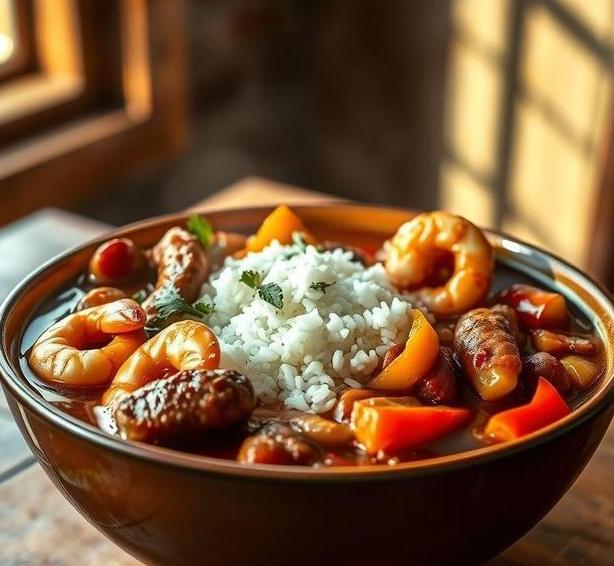
The shelf life of gumbo can vary depending on how it’s stored. Let’s break it down:
In The Refrigerator (1-4 Days)
- Ideal Conditions: If you store gumbo in an airtight container and keep it at a consistent temperature of 40°F (4°C) or lower, it should be safe for 1-4 days. The flavors actually get better as it sits in the fridge, allowing the spices and ingredients to meld.
- What to Keep in Mind: If your gumbo contains seafood, its shelf life is on the shorter side-about 1-2 days. Gumbo with poultry and sausage can last a little longer-up to 4 days.
In The Freezer (3-4 Months)
- Freezing for Longevity: Gumbo can be frozen for up to 3-4 months without significant loss in quality. If you’ve made a big batch, freezing it in portions is a great way to preserve it. Just be sure to store it in a freezer-safe container or heavy-duty freezer bags to prevent freezer burn.
- Defrosting: When you’re ready to enjoy it, defrost it in the fridge overnight and then reheat thoroughly. It’s not recommended to defrost gumbo in the microwave, as this can lead to uneven heating and potential food safety issues.
Common Signs Of Spoilage
Even if your gumbo has been stored in the fridge or freezer, it’s important to always check it for signs of spoilage. Here’s what to look for:
- Unpleasant Odor: One of the first indicators that gumbo has gone bad is a foul smell. If it smells sour, rotten, or ’off’ in any way, it’s time to toss it. Gumbo should smell savory and slightly spiced, not rancid.
- Color Changes: If you notice a drastic change in color, especially in the broth or the proteins, that could be a sign of spoilage. Fresh gumbo typically has a rich, deep brown or reddish hue, depending on the ingredients, but if it looks dull or discolored, it’s best not to risk it.
- Mold or Slimy Texture: If you see mold growth on the surface, discard the gumbo immediately. Similarly, if the gumbo has developed a slimy texture, particularly around the meats or vegetables, it is no longer safe to eat.
- Separation of Liquids: While gumbo can thicken and settle over time, if you notice large pools of water or an unusual separation of ingredients (like greasy film on top), it could indicate that the gumbo has started to break down.
How To Store Gumbo?
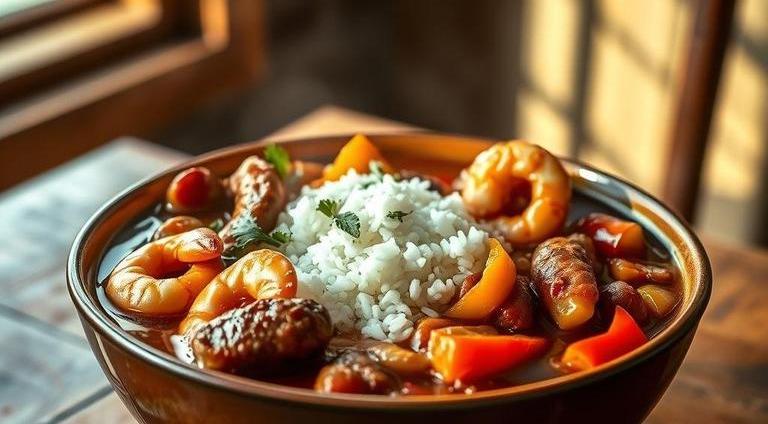
Proper storage is key to keeping your gumbo fresh and safe for as long as possible. Here are some essential tips for storing your gumbo:
Cooling Before Storing
- Don’t Store Hot Gumbo: Never store hot gumbo directly in the fridge or freezer, as it can raise the temperature of your fridge, potentially leading to the growth of harmful bacteria. Let it cool to room temperature (within 2 hours) before refrigerating or freezing it.
- Use Shallow Containers: When refrigerating, use shallow containers to allow the gumbo to cool quickly and evenly. This also makes it easier to reheat later.
Airtight Containers
- Use Sealed Containers: Always use airtight containers for storing gumbo in the fridge or freezer. This will prevent contamination and keep your gumbo tasting fresh longer. Freezer-safe bags or containers are a must for long-term storage.
Labeling
- Date It: Label your containers with the date you made the gumbo so you know how long it’s been stored. This simple practice will help you avoid keeping food for too long, which could put you at risk for foodborne illness.
Expert Tips
- Use Fresh Ingredients: The fresher your ingredients, the longer your gumbo will last. Fresh seafood and meat have a shorter shelf life than frozen, so if you’re planning on storing your gumbo for a while, make sure to use high-quality, fresh ingredients.
- Freeze in Portions: If you plan to store a large batch of gumbo in the freezer, freeze it in individual or meal-sized portions. This will allow you to defrost only the amount you need, minimizing the risk of refreezing and losing quality.
- Avoid Reheating Multiple Times: Each time you reheat gumbo, it passes through the ’danger zone’ for bacteria growth (40°F-140°F), so try to only reheat it once. If you’re reheating leftovers, only heat the portion you intend to eat.
FAQs
Can Gumbo Go Bad If Left Out At Room Temperature?
Yes, gumbo can go bad if left out at room temperature for more than 2 hours. Bacteria grow rapidly at temperatures between 40°F and 140°F, so it’s important to refrigerate it within that timeframe to ensure its safety.
How Long Does Gumbo Last In The Fridge?
Gumbo typically lasts about 3-4 days in the fridge when stored properly in an airtight container. Be sure to refrigerate it promptly after it cools down to prevent bacterial growth.
Can You Freeze Gumbo To Extend Its Shelf Life?
Yes, gumbo can be frozen to extend its shelf life. When properly stored in a freezer-safe container, gumbo can last up to 3-4 months in the freezer without losing much of its flavor or texture.
How Can You Tell If Gumbo Has Gone Bad?
Signs that gumbo has gone bad include an off or sour smell, changes in texture (such as excessive separation or sliminess), and any visible mold. If it tastes off or sour, it’s best to discard it.
Is It Safe To Eat Gumbo After The Sell-by Date?
The sell-by date refers to freshness, not safety. If your gumbo has been stored properly and doesn’t show signs of spoilage, it may still be safe to eat, but it’s important to trust your senses (sight, smell, taste) to determine if it’s still good.
Can Gumbo Go Bad In The Freezer?
While freezing gumbo helps preserve it, it can still go bad over time if not stored properly. Freezer burn, which causes gumbo to lose flavor and texture, can occur after about 3-4 months in the freezer. Always use an airtight container to avoid freezer burn.
Can You Reheat Gumbo After It’s Been Frozen?
Yes, you can reheat frozen gumbo. The best method is to thaw it in the fridge overnight before reheating. You can also reheat it directly on the stove or in the microwave, but be sure to bring it to a boil to kill any bacteria.
Does Gumbo Taste Better After It Has Been Stored For A Few Days?
Many people believe that gumbo tastes better after it has been stored for a few days, as the flavors have more time to meld together. However, if it’s stored improperly or for too long, it can spoil and lose its flavor.
Can You Store Gumbo With Seafood In It?
Yes, you can store gumbo with seafood, but seafood tends to spoil faster than other ingredients. Be sure to refrigerate or freeze gumbo with seafood immediately after cooking, and consume it within 2-3 days if refrigerated.
Can Gumbo Be Made In Advance And Reheated Later?
Yes, gumbo can be made in advance and reheated later. In fact, many people prefer to prepare gumbo ahead of time to allow the flavors to develop. Just make sure it’s cooled and stored properly in the fridge or freezer to prevent spoilage.