Pancake batter is one of those kitchen staples that makes breakfast feel like a cozy treat. Whether you’re whipping up a batch for yourself, family, or friends, it’s one of the simplest yet most delightful ways to start your day. But, what happens if you make a little too much batter and end up with leftovers? Can pancake batter go bad? It’s an important question to consider, especially if you’re a frequent pancake maker or if you just want to make sure your batter is still good for the next batch.
In this article, we’ll dive deep into the life cycle of pancake batter: when it’s fresh and fluffy and when it’s time to toss it. By understanding its shelf life, signs of spoilage, and proper storage techniques, you’ll be able to ensure that your batter is always ready to be cooked up into golden, delicious pancakes.
Can Pancake Batter Go Bad?
Yes, pancake batter can go bad-just like any other food that contains perishable ingredients like milk, eggs, and butter. While pancake mix in its dry form has a much longer shelf life, once you add wet ingredients to make the batter, it becomes vulnerable to spoilage. The wet ingredients provide the perfect environment for bacteria and mold to grow if the batter isn’t handled or stored properly. This means that the longer you keep the batter around, the higher the chance it will go bad.
When stored improperly or left out at room temperature for too long, pancake batter can quickly turn from a breakfast staple to a health risk. So, how long does it last, and what are the signs that your pancake batter is no longer safe to use?
Shelf Life For Pancake Batter
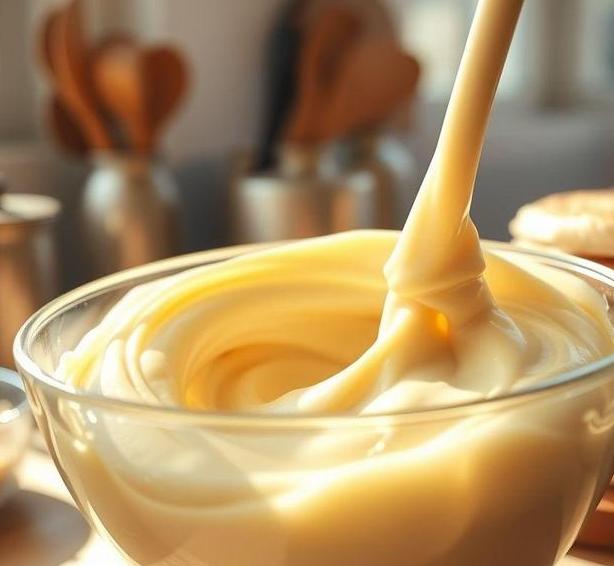
Understanding the shelf life of pancake batter is key to determining whether you should store leftovers or make a fresh batch. Here’s how long your pancake batter can last depending on various factors:
-
Unrefrigerated Pancake Batter
- Maximum lifespan: 1-2 hours at room temperature.
- Pancake batter should never be left out for longer than 2 hours at room temperature because the wet ingredients (like milk and eggs) provide a breeding ground for bacteria, especially in warm conditions.
-
Refrigerated Pancake Batter
- Maximum lifespan: 2-4 days.
- When stored in the fridge, pancake batter can last anywhere from 2 to 4 days depending on the freshness of your ingredients. Always ensure that it is tightly sealed in an airtight container to avoid contamination from other foods.
-
Frozen Pancake Batter
- Maximum lifespan: 1 month.
- If you want to store pancake batter for a longer period, freezing it is the best option. Pancake batter can last in the freezer for up to 1 month. However, it’s important to store it in a freezer-safe container or bag and be sure to leave some room for the batter to expand as it freezes.
Common Signs Of Spoilage
How can you tell when your pancake batter has gone bad? Here are some common signs that indicate your batter is no longer safe to use:
- Off Smell: Fresh pancake batter should have a neutral, slightly sweet aroma. If it starts to smell sour, musty, or like rotten eggs, it’s a clear sign that the batter has gone bad.
- Change in Texture: Fresh batter should have a smooth, thick consistency. If it becomes watery or separates, it’s likely that the batter has spoiled or lost its quality. A grainy texture can also be an indicator that the baking powder or other dry ingredients have gone stale.
- Color Changes: If your pancake batter starts to darken or develop a yellowish tinge, especially if it’s been stored in the fridge for a while, this can be a sign of bacterial growth or over-fermentation.
- Mold: If you notice mold spots on the surface of the batter, it’s a definite sign that it’s time to throw it out. Mold can appear as fuzzy, green, or black spots that form on the batter after it’s been sitting too long.
- Bubbling or Fizzing: If you notice unusual bubbling or fizzing, it could be an indication that the yeast (if used) or leavening agents have started to ferment the batter. This could lead to over-fermentation, which will affect the final texture and taste of your pancakes.
How To Store Pancake Batter?
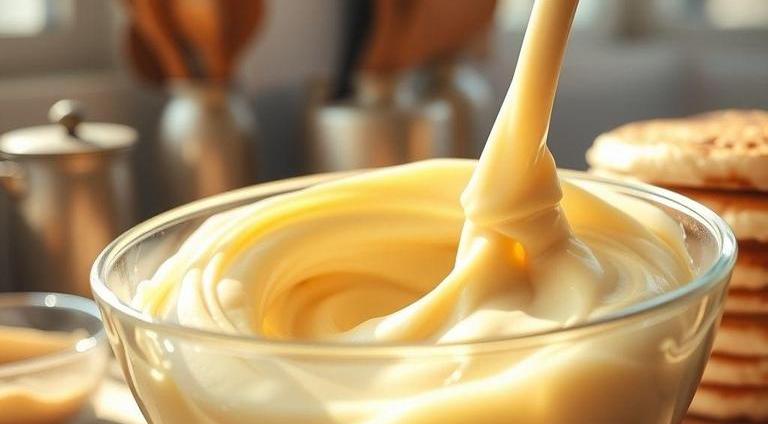
Proper storage is key to extending the shelf life of pancake batter and keeping it safe for future use. Here are some tips for storing your batter:
-
In The Refrigerator
- Container: Store pancake batter in an airtight container to prevent it from absorbing odors from other foods in the fridge. A plastic or glass container with a tight-fitting lid works best.
- Labeling: It’s always a good idea to label your container with the date you made the batter. That way, you can keep track of how long it’s been stored and know when it’s time to toss it.
- Separation: If the batter starts to separate in the fridge (which can happen with certain ingredients), give it a quick stir before using it. This shouldn’t affect the quality too much, but it’s always a good idea to check the consistency before cooking.
-
In The Freezer
- Freezing Method: To freeze pancake batter, pour it into a freezer-safe container or a resealable plastic bag. Leave about 1 inch of space at the top of the container for expansion.
- Portioning: If you want to freeze smaller portions for easy use, pour the batter into individual muffin tins or ice cube trays before transferring them to a freezer bag.
- Thawing: When you’re ready to use the frozen batter, let it thaw in the fridge overnight. Before cooking, give it a good stir to ensure that everything has come back together properly.
- Avoid Storing in Metal Containers: Pancake batter contains acidic ingredients, like buttermilk or baking powder, which can react with metal containers and affect the batter’s taste and texture.
Expert Tips
If you’re looking for ways to improve the shelf life and quality of your pancake batter, here are some expert tips:
- Use Fresh Ingredients: The fresher your ingredients, the longer your pancake batter will last. If you’re using eggs, milk, or other dairy products, make sure they haven’t expired before mixing them into the batter.
- Don’t Overmix: Overmixing pancake batter can cause it to lose its light texture. A lumpy batter is actually ideal! Overmixing not only affects the final pancakes but can also make the batter more prone to spoilage faster. Mix just until the ingredients are incorporated.
- Add Vinegar or Lemon Juice: If you want to extend the life of your pancake batter in the fridge, adding a teaspoon of vinegar or lemon juice can help. These acids slow down bacterial growth and can prevent spoilage for an extra day or two.
- Don’t Leave It Out Too Long: If you’ve made a big batch of batter and are thinking of leaving it out on the counter for a bit, be sure not to leave it out for more than an hour or two. The longer it sits at room temperature, the more likely it is to spoil.
- Use Baking Soda with Buttermilk for Extra Freshness: Buttermilk-based pancake batters are known for being especially delicate. If you plan on storing a buttermilk-based batter, be sure to use baking soda instead of baking powder. This creates a less acidic environment and helps the batter last longer.
FAQs
Can Pancake Batter Go Bad If Left Out Overnight?
Yes, pancake batter can go bad if left out overnight. The combination of milk, eggs, and other perishable ingredients creates an ideal environment for bacterial growth. It is recommended to store pancake batter in the refrigerator if not used within 2 hours.
How Can You Tell If Pancake Batter Has Gone Bad?
Signs that pancake batter has gone bad include an off smell, visible mold, or a change in texture, such as becoming too runny or overly thick. If the batter has separated or has an unusual color, it is best to discard it.
How Long Can Pancake Batter Last In The Fridge?
Pancake batter can last in the fridge for up to 2 days. After this period, the quality may deteriorate, and it may begin to spoil due to the perishable ingredients, especially milk and eggs.
Can You Freeze Pancake Batter To Extend Its Shelf Life?
Yes, you can freeze pancake batter. It can be stored in an airtight container or freezer-safe bag for up to 1-2 months. When ready to use, thaw the batter in the refrigerator overnight and stir before cooking.
What Happens If Pancake Batter Is Made With Expired Ingredients?
Using expired ingredients in pancake batter, such as expired milk or eggs, increases the risk of foodborne illness and can affect the taste and texture of the pancakes. Always check the expiration dates of ingredients before use.
Is It Safe To Use Pancake Batter That Has Been Sitting Out For A Few Hours?
Pancake batter that has been sitting out for more than 2 hours at room temperature is not safe to use. The ingredients, particularly milk and eggs, are prone to bacterial growth when left at room temperature for extended periods.
Can Pancake Batter Go Bad In A Sealed Container?
Even in a sealed container, pancake batter can still go bad if it is not stored properly. The batter should be refrigerated immediately after preparation and used within 2 days for optimal freshness.
Does The Type Of Milk Used Affect How Long Pancake Batter Lasts?
Yes, the type of milk used can affect the shelf life of pancake batter. Dairy milk tends to spoil faster than plant-based milks like almond or oat milk. Always check the milk’s expiration date and consider using plant-based milk for longer storage.
Can I Use Pancake Batter Past Its Expiration Date?
It is not recommended to use pancake batter past its expiration date, especially if it has been stored for a long time. The quality and safety of the batter are compromised, and it could lead to foodborne illness.
What Is The Best Way To Store Pancake Batter?
The best way to store pancake batter is to place it in an airtight container and refrigerate it immediately after use. If you plan to keep it for longer, freezing is a good option to extend its shelf life.