Berries are among the most popular and beloved fruits on the planet. Whether you’re a fan of the tartness of raspberries, the sweet juiciness of strawberries, or the deep, rich flavor of blackberries, there’s no denying the magic these small, colorful fruits bring to the table. But as much as we love them, there’s a dark side to berries that most of us have faced: they go bad-fast. We often find ourselves tossing a box of moldy raspberries or discovering that the strawberries in the fridge have softened into mushy blobs. But why does this happen so quickly? And how can we avoid it?
In this guide, we’ll dive into everything you need to know about the shelf life of berries, the common signs of spoilage, and the best ways to store them for maximum freshness. By the end, you’ll be able to enjoy your berries for longer and reduce food waste in the process.
Can Berries Go Bad?
Oh, absolutely. Berries are notorious for going bad fast due to their high water content, delicate skin, and vulnerability to mold and bacteria. Here’s why:
- High moisture content: Berries are primarily water (especially strawberries, raspberries, and blueberries). This high moisture content makes them prone to mold growth and softening once they begin to break down.
- Delicate skin: The thin, porous skin of berries makes them highly susceptible to bruising, which accelerates spoilage. Any injury to the berry’s skin allows bacteria and fungi to enter, leading to quicker decay.
- Sugar content: Berries, like most fruits, contain natural sugars, which bacteria and mold love to feast on. Once the sugars break down, the fruit becomes an ideal breeding ground for microorganisms.
But that doesn’t mean you have to give up on berries entirely! With the right knowledge, you can keep them fresher for longer, and enjoy them before they hit that point of no return.
Shelf Life For Berries
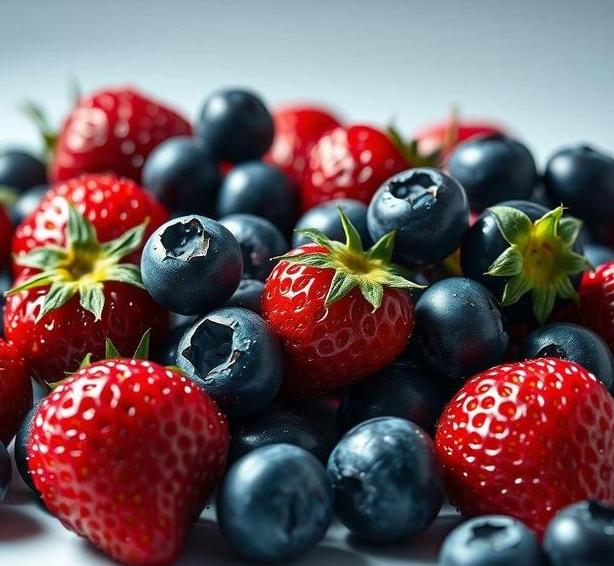
The shelf life of berries is relatively short compared to many other fruits. Here’s a breakdown of how long you can expect various types of berries to last under different conditions:
-
Strawberries
- Fresh in the fridge: 2 to 3 days.
- Frozen: 6 to 12 months.
-
Blueberries
- Fresh in the fridge: 7 to 10 days.
- Frozen: 6 to 12 months.
-
Raspberries
- Fresh in the fridge: 2 to 3 days.
- Frozen: 6 to 8 months.
-
Blackberries
- Fresh in the fridge: 3 to 4 days.
- Frozen: 6 to 12 months.
-
Goji berries (dried):
- Unopened: 1 to 2 years.
- Opened: 6 months to 1 year.
These shelf life estimates are based on the ideal storage conditions and assuming the berries were fresh when purchased. As you can see, berries generally don’t last long in their fresh form, which is why proper storage is essential.
Common Signs Of Spoilage
When berries go bad, they can be a little tricky to spot at first. Sometimes the change happens slowly, while other times it’s a rapid decline. Here are the most common signs to look for:
- Mold: The most obvious sign. Mold tends to grow in tiny patches, starting off white and turning dark (usually green, gray, or black). It typically forms on the surface or in places where the berry has been bruised or damaged.
- Soft or mushy texture: Fresh berries should feel firm but not hard. If they’ve turned soft, watery, or mushy, it’s a sign that they are starting to spoil.
- Off smell: Fresh berries will have a natural, sweet aroma. If they begin to smell sour or fermented, they’re likely going bad.
- Discoloration: Berries that start to fade in color, turn a pale or dull hue, or develop dark spots are often overripe or on the way to being spoiled.
- Shriveled or shrunk berries: A sign of dehydration, usually indicating that the berries are old or have been improperly stored.
If you notice even one or two of these signs, it’s best to check the rest of the batch to see if the spoilage has spread. Sometimes, removing the bad berries can save the rest, but if a significant portion is affected, it’s better to discard the whole container.
How To Store Berries?
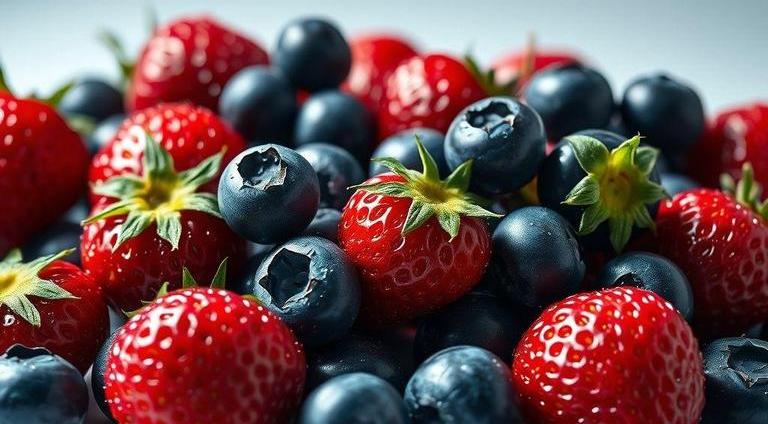
Proper storage is key to prolonging the freshness of your berries and minimizing waste. Here are some tips for each type of berry:
For Fresh Berries
- Refrigeration is essential: Store most berries (like strawberries, raspberries, blackberries, and blueberries) in the fridge as soon as you bring them home. But don’t rinse them until you’re ready to eat them. Moisture encourages mold growth, so leave them dry when storing.
- Avoid airtight containers: While it might seem like a good idea to seal your berries in an airtight container, it traps moisture, leading to spoilage. Instead, use containers with ventilation (like the clamshell boxes they often come in).
- Line the container with paper towels: If your berries are slightly wet when you store them, placing a paper towel in the container can help absorb the excess moisture and prevent mold growth.
- Check and remove damaged berries: Mold spreads quickly from one berry to another. If you spot any spoiled berries, remove them immediately to help preserve the rest.
For Freezing Berries
Freezing is the best option for extending the shelf life of berries if you can’t eat them right away. Here’s how to do it properly:
- Rinse and dry thoroughly: Wash your berries (especially if you’re freezing them), then dry them thoroughly using a paper towel or clean kitchen cloth. Excess moisture will form ice crystals and affect texture.
- Flash freeze: Spread your berries in a single layer on a baking sheet, and freeze them for 2 to 4 hours. This prevents them from sticking together and helps maintain their shape when frozen.
- Transfer to a freezer bag: Once frozen, transfer your berries into a freezer-safe bag or container. If using a bag, remove as much air as possible before sealing.
- Label and date: Always label your bags with the type of berry and the date it was frozen, so you don’t forget when it was stored.
Expert Tips
- Use vinegar to clean berries: A vinegar wash (one part white vinegar to three parts water) can help remove dirt and bacteria from berries before storing. Rinse them thoroughly afterward and let them dry completely.
- Store berries with a little space: Overcrowding will cause them to squish and bruise. Give them room in their containers to breathe and keep their integrity.
- Ripen before refrigeration: If you buy berries that are not yet fully ripe (like some strawberries), allow them to ripen at room temperature for a day or two before refrigerating them. Don’t store unripe berries in the fridge, as they won’t ripen properly.
- Make jam or preserve them: If you find yourself with an abundance of overripe berries, why not turn them into jam, jelly, or preserves? It’s a great way to extend the life of your fruit and enjoy it all year long.
FAQs
Can Berries Go Bad If Left Out At Room Temperature?
Yes, berries can go bad quickly if left out at room temperature. Most berries, such as strawberries, raspberries, and blueberries, can begin to spoil within a few hours, especially in warm or humid environments. It’s recommended to refrigerate them to extend their freshness.
How Can You Tell If Berries Have Gone Bad?
Berries that have gone bad typically show signs such as mold, mushiness, discoloration, or a sour odor. If they feel overly soft, slimy, or have visible spots of mold, they are no longer safe to eat.
How Long Do Berries Last In The Refrigerator?
Berries can typically last from 3 to 7 days in the refrigerator, depending on the type. Strawberries tend to last 3-5 days, while blueberries and raspberries can last up to 7 days. It’s best to store them in a dry, breathable container to prevent excess moisture buildup.
Can You Freeze Berries To Prevent Them From Going Bad?
Yes, you can freeze berries to prevent them from going bad. To do so, wash and dry the berries thoroughly before spreading them in a single layer on a baking sheet. Once frozen, transfer them into an airtight container or freezer bag for long-term storage.
What Is The Best Way To Store Fresh Berries?
The best way to store fresh berries is to keep them in their original container or a shallow, breathable container. Do not wash them until you’re ready to eat, as excess moisture can accelerate spoilage. Keep them in the fridge, and avoid storing them near strong-smelling foods, as berries can absorb odors.
Can Moldy Berries Be Salvaged?
It’s not recommended to salvage moldy berries. Mold can spread quickly to surrounding fruit, and eating moldy berries can pose health risks. If a berry is moldy, discard it, along with any other berries that appear to be affected.
Do Frozen Berries Go Bad?
Frozen berries can last for several months when stored properly in the freezer. Over time, they may lose texture and flavor due to freezer burn, but they generally remain safe to eat. For optimal quality, consume frozen berries within 6-12 months.
Can You Eat Berries That Are Slightly Overripe?
Slightly overripe berries may still be safe to eat, although their flavor and texture may be compromised. They may taste overly sweet or mushy. If there are no signs of mold or spoilage, they are fine to eat, but should be consumed quickly.
How Can I Prevent Berries From Going Bad Quickly?
To prevent berries from spoiling quickly, avoid washing them until you’re ready to eat. Store them in the coldest part of the fridge, preferably in a container with ventilation holes to allow airflow. It’s also important to remove any damaged or moldy berries immediately, as they can speed up the spoiling process.
Can Berries Be Stored With Other Fruits Without Going Bad Faster?
Berries should be stored separately from other fruits, especially those that emit ethylene gas (like apples and bananas), as this can accelerate ripening and spoilage. Keeping berries isolated helps prolong their freshness.