Prime rib is often considered the crown jewel of cuts when it comes to beef, prized for its tenderness, rich flavor, and melt-in-your-mouth texture. This cut is perfect for holidays, special occasions, or when you simply want to indulge in a deliciously luxurious meal. But like any perishable food, prime rib has a shelf life, and knowing how to store it properly is crucial to maintain its freshness and prevent spoilage. You don’t want that beautiful roast turning into a food safety nightmare or ruining your next dinner party, right?
Let’s dive deep into everything you need to know about prime rib’s shelf life, spoilage signs, and best storage practices. Whether you’re buying it fresh, leftovers from a big meal, or storing it for a future roast, this guide will ensure you enjoy your prime rib at its best.
Can Prime Rib Go Bad?
Yes, prime rib can definitely go bad, just like any other cut of meat. Even though beef has a relatively long shelf life compared to some other proteins, it doesn’t last forever, and improper storage can accelerate spoilage. Understanding the process of spoilage, what contributes to it, and how long your prime rib can stay fresh is key to preventing any unwanted surprises.
The main factors that contribute to prime rib going bad are:
- Bacterial Growth: Raw meat, including prime rib, is susceptible to bacteria like Salmonella, E. coli, and Listeria. These bacteria thrive in warm, moist environments, and improper handling can lead to foodborne illnesses.
- Oxidation: Over time, exposure to air (oxygen) causes beef to turn rancid. The fat in prime rib can oxidize, causing a strong, off-putting odor and a deterioration in flavor.
- Enzyme Activity: Even when stored properly, enzymes in the meat continue to break down proteins and fats, leading to changes in texture and flavor. If stored too long, this natural breakdown becomes noticeable, often resulting in an undesirable taste and texture.
Shelf Life For Prime Rib
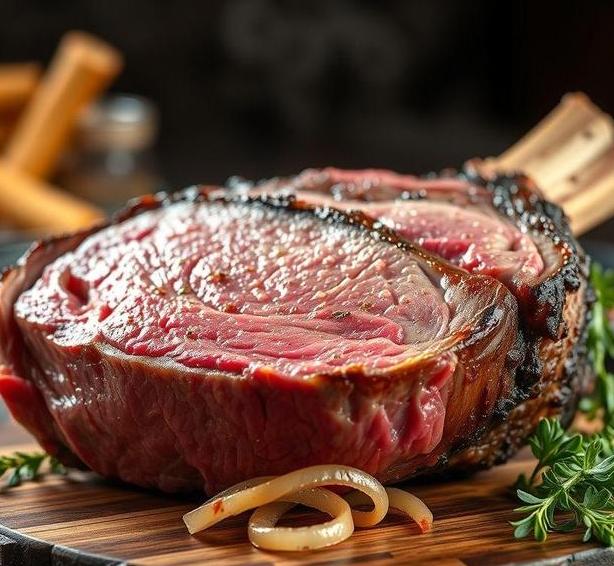
The shelf life of prime rib depends on whether it’s raw or cooked, as well as how it’s stored. Let’s break it down for both cases:
Raw Prime Rib
- Refrigerator: Typically, raw prime rib will last 3-5 days in the fridge when stored correctly at a consistent temperature of 40°F (4°C) or lower. Make sure it’s tightly wrapped in plastic wrap or butcher paper, or ideally, placed in a vacuum-sealed bag.
- Freezer: If you want to store prime rib for longer, freezing is your best bet. In the freezer, prime rib can last for 6-12 months without significant loss of quality, though the texture may slightly change once thawed. To preserve its freshness, wrap it well in plastic wrap, followed by aluminum foil or a freezer-safe plastic bag.
Cooked Prime Rib
- Refrigerator: After cooking, prime rib should last 3-4 days in the fridge. Be sure to store it in an airtight container to keep out air and moisture, which can accelerate spoilage.
- Freezer: If you’ve got leftovers, cooked prime rib can be frozen for 2-3 months. However, while the meat will still be safe to eat after this time, it may lose some of its flavor and moisture during freezing. Reheat it gently to preserve texture.
Common Signs Of Spoilage
No one wants to find out their prime rib has gone bad mid-meal, so it’s important to know what to look for. Here are the telltale signs that your prime rib might be past its prime:
For Raw Prime Rib
- Unpleasant odor: Fresh prime rib should have a neutral, meaty smell. If it smells sour, rancid, or like ammonia, it’s spoiled. Strong odors are one of the most obvious signs of meat that has gone bad.
- Color Change: While beef can change color over time due to oxidation, the key thing to watch for is a brownish or grayish color that’s uneven across the meat. Fresh prime rib is typically a bright red with some marbling of fat, but discoloration beyond the normal darkening with age could indicate spoilage.
- Slimy Texture: If the prime rib feels slimy to the touch, that’s a red flag. This sliminess is caused by bacterial growth and is an indicator that the meat is no longer safe to eat.
- Mold Growth: If you see any mold on the surface of your prime rib, discard it immediately. Mold is a clear indication that the meat is decomposing and no longer safe.
For Cooked Prime Rib
- Off Smell: A sour or rancid odor coming from cooked meat is an obvious sign it’s spoiled.
- Discoloration: If the cooked prime rib develops a grayish or greenish hue, it’s time to toss it. This discoloration is due to bacterial growth.
- Dryness or Tough Texture: While some dryness is expected from leftovers, if your cooked prime rib feels overly dry, tough, or chewy when reheated, it could be a sign that it’s past its prime, especially if combined with other signs of spoilage.
How To Store Prime Rib?
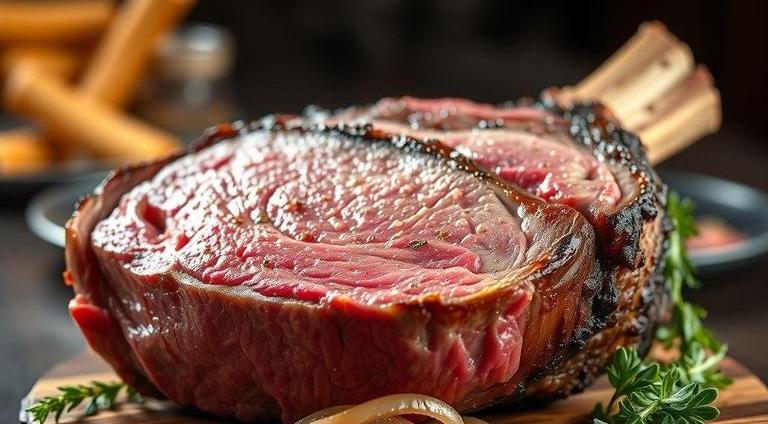
Proper storage is the key to maximizing the shelf life of prime rib, whether it’s raw or cooked. Here are some best practices for keeping your prime rib fresh for as long as possible:
Storing Raw Prime Rib
- Refrigeration: Always store raw prime rib in the coldest part of your refrigerator, ideally near the back where temperatures are more consistent. Use plastic wrap, butcher paper, or a vacuum-sealed bag to reduce exposure to air and moisture.
- Freezing: If you’re not planning to use the prime rib within a few days, freezing it is the best option. Wrap it tightly in plastic wrap and aluminum foil, or use a vacuum sealer for optimal results. Be sure to label the package with the date so you can track how long it’s been in the freezer.
Storing Cooked Prime Rib
- Refrigeration: After cooking, allow your prime rib to cool completely (but not for more than two hours), then store it in an airtight container or tightly wrapped in foil or plastic wrap. The goal is to minimize exposure to air to prevent the meat from drying out or spoiling.
- Freezing: Leftovers can be frozen for later enjoyment. Slice the cooked prime rib before freezing to make it easier to defrost only the portion you need. Wrap it tightly in plastic wrap or aluminum foil, then place it in a freezer-safe bag.
Thawing Tips
- Always thaw prime rib in the refrigerator to keep it at a safe temperature. Avoid leaving it out at room temperature, as this can encourage bacterial growth. Depending on the size, it could take anywhere from 12 to 24 hours to fully thaw in the fridge.
Expert Tips
If you’re looking to get the best out of your prime rib, here are some tips that experts swear by:
- Buy Prime Rib from a Trusted Source: When purchasing prime rib, make sure to buy it from a reputable butcher or grocery store with good turnover. Fresher meat will last longer, and a trusted seller will help you with proper storage advice.
- Use a Meat Thermometer: When cooking your prime rib, a meat thermometer is your best friend. For medium-rare prime rib, the internal temperature should be 130-135°F (54-57°C). This ensures that you’re getting the most tender, flavorful roast.
- Rest Your Prime Rib After Cooking: Let your cooked prime rib rest for at least 15-20 minutes before slicing. This allows the juices to redistribute, keeping the meat moist and tender.
- Use Vacuum Sealing: If you want to store prime rib for an extended period, invest in a vacuum sealer. Vacuum-sealed meat has a much longer shelf life because it eliminates exposure to air, slowing down both bacterial growth and oxidation.
FAQs
How Long Can Prime Rib Last In The Fridge?
Prime rib can last in the fridge for 3 to 5 days when stored properly in an airtight container or tightly wrapped in plastic wrap or foil.
Can Prime Rib Go Bad If Left Out At Room Temperature?
Yes, prime rib can go bad if left out at room temperature for more than 2 hours, as bacteria can grow rapidly between 40°F and 140°F.
How Can You Tell If Prime Rib Has Gone Bad?
Signs that prime rib has gone bad include a sour or off smell, slimy texture, discoloration (such as brown or grayish spots), or an unusual, rancid taste.
Can Prime Rib Be Frozen To Extend Its Shelf Life?
Yes, prime rib can be frozen to extend its shelf life. When properly wrapped in plastic wrap or aluminum foil, it can last in the freezer for up to 6 months.
How Should Prime Rib Be Stored To Prevent It From Going Bad?
Prime rib should be stored in the refrigerator at or below 40°F, wrapped tightly in plastic wrap, aluminum foil, or placed in an airtight container to prevent exposure to air and moisture.
Can You Eat Prime Rib After The Sell-by Date?
The sell-by date is a guideline, not an expiration date. As long as the prime rib has been stored properly and shows no signs of spoilage, it can be safe to eat up to 3-5 days after the sell-by date.
How Long Can Cooked Prime Rib Last In The Fridge?
Cooked prime rib can last in the fridge for 3 to 4 days when stored in an airtight container or tightly wrapped to prevent exposure to air.
Can Cooked Prime Rib Be Frozen?
Yes, cooked prime rib can be frozen. It should be wrapped tightly in plastic wrap and aluminum foil or placed in a freezer-safe bag to avoid freezer burn. It can last for 2-6 months in the freezer.
What Happens If You Eat Bad Prime Rib?
Eating bad prime rib can lead to food poisoning, which may cause symptoms like stomach cramps, vomiting, diarrhea, and fever due to harmful bacteria such as Salmonella or E. coli.
Can Prime Rib Be Reheated Safely After Being Frozen?
Yes, prime rib can be safely reheated after being frozen. The best method is to thaw it in the refrigerator overnight and then reheat it in the oven at a low temperature to preserve its flavor and texture.