Bread is one of the most beloved and essential foods around the world, from fresh loaves of sourdough to classic white bread and everything in between. Whether you’re grabbing a slice for breakfast, making a sandwich for lunch, or pairing it with dinner, bread seems to be a staple in many households. But, like all food, bread doesn’t last forever. At some point, even the freshest loaf can lose its texture, flavor, and safety for consumption. So, what exactly happens to bread when it goes bad? Can bread truly spoil, or is it just a matter of losing its freshness?
This guide will dive deep into bread spoilage, how to tell if it’s gone bad, how to store it properly, and even share some expert tips on extending its life. If you’ve ever wondered about bread’s shelf life or how to get the most out of your loaf, you’re in the right place!
Can Bread Go Bad?
Yes, bread can go bad. In fact, it’s a food that has a relatively short shelf life compared to many other pantry staples. Bread is made from perishable ingredients-primarily flour, water, yeast, and salt-so over time, these ingredients break down and affect its taste, texture, and safety.
The key factors that cause bread to go bad include:
- Moisture: Bread contains water, and over time, this moisture can create a breeding ground for mold and bacteria.
- Exposure to air: The longer bread is exposed to air, the quicker it loses its freshness, drying out or getting stale.
- Temperature: Warmth and humidity can accelerate spoilage, especially if bread is stored improperly.
Understanding how bread goes bad depends on the type of bread, the ingredients used, and how it is stored. Fresh, homemade loaves may spoil more quickly than store-bought varieties, but either way, bread is highly sensitive to environmental factors.
Shelf Life For Bread
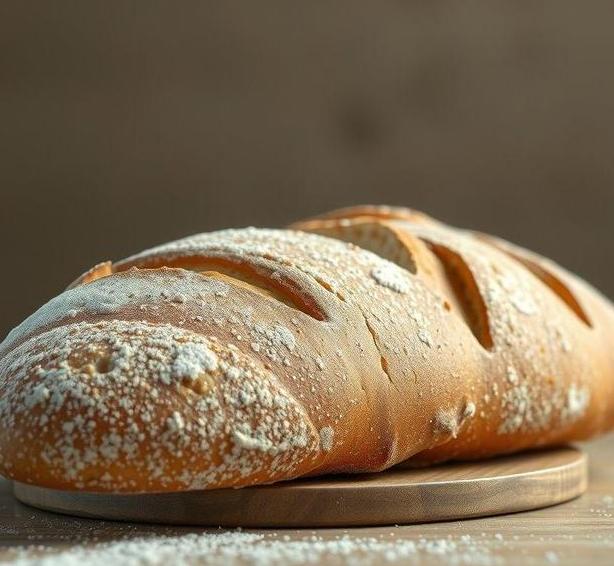
The shelf life of bread depends largely on the type of bread and how it’s stored. On average, here’s how long you can expect different kinds of bread to last:
-
Store-bought white or whole wheat bread: 5-7 days at room temperature.
- This type of bread often contains preservatives to help it last longer. It’s typically fine for about a week on the counter.
-
Homemade bread: 2-3 days at room temperature.
- Without preservatives, homemade bread tends to spoil much faster. It’s usually best consumed within a few days unless frozen.
-
Artisan bread (like sourdough or baguettes): 3-5 days at room temperature.
- Artisan breads, especially sourdough, can last a little longer, thanks to their natural acidity, but they’ll still go stale after a few days.
-
Frozen bread: 3-6 months.
- Freezing bread significantly extends its life. Properly wrapped and frozen, it can last for several months without losing quality, though texture might degrade slightly upon thawing.
Common Signs Of Spoilage
Knowing when bread has gone bad isn’t always straightforward. Here are some common signs that it’s time to toss your loaf:
- Mold growth: Mold is the most obvious sign. It can appear as green, blue, or even white patches on the surface. Even if you only see a small patch, it’s best to discard the entire loaf, as mold spores spread quickly.
- Funky smell: Fresh bread has a pleasant, yeasty smell. If it begins to smell sour, musty, or just off, it may have started to spoil.
- Dry or stale texture: Stale bread doesn’t necessarily go bad in a dangerous way, but its texture changes. It becomes hard, dry, and unpleasant to eat. If it’s too tough to chew or slice, it’s no longer fresh.
- Discoloration or unusual spots: If you notice any unusual spots or discoloration, it’s often an indicator that something has gone wrong. While some breads might darken as they age, a drastic change in color should be taken as a warning sign.
- Unpleasant taste: If the bread tastes sour, rancid, or strangely bitter, it’s probably time to discard it. This could be a sign of fermentation or mold growth inside the bread.
How To Store Bread?
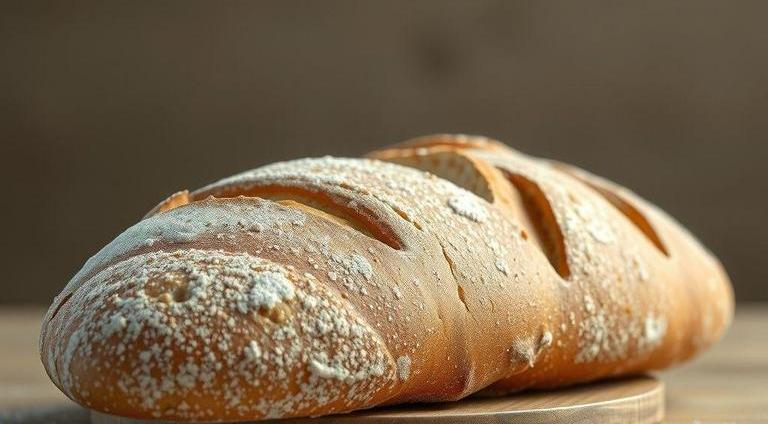
Proper storage can greatly extend the life of your bread. While it might seem like just leaving it on the counter works fine, certain steps can help preserve its freshness for longer:
-
Room Temperature Storage (for Short-term Use)
- Keep bread in a cool, dry place, away from heat and humidity (so, not on top of the fridge or near the stove).
- Store bread in a paper bag or a breadbox, as this allows some airflow while still protecting it from drying out.
- Avoid storing bread in plastic unless it’s pre-sliced. Plastic can trap moisture, which encourages mold growth, but it can help keep pre-sliced bread soft.
-
Freezing (for Long-term Storage)
- Freezing is a great way to preserve bread for a longer period. Slice your bread before freezing it for easy access to individual slices.
- Wrap the bread tightly in plastic wrap or aluminum foil, then place it inside a freezer-safe bag to prevent freezer burn.
- When you’re ready to use it, you can thaw the bread at room temperature or toast it straight from the freezer for a crispy bite.
-
For Homemade Bread
- Homemade loaves generally last only 2-3 days at room temperature. If you’re not planning to consume them quickly, freezing is the best option to extend their shelf life.
-
Specialty Bread Storage
- For loaves like sourdough, which have a natural preservative effect due to their acidic nature, you can store them in a paper bag, and they’ll last a little longer. These types of bread tend to improve in flavor as they age slightly but don’t last as long as store-bought varieties.
Expert Tips
- Don’t refrigerate bread: Many people think putting bread in the fridge extends its shelf life, but that’s actually a misconception. The cold temperature can cause bread to dry out and go stale faster. Always prefer room temperature or freezing for storage.
- Don’t slice until you need it: Once you slice a loaf, it has more exposed surface area, which accelerates the staling process. Leave the bread whole until you’re ready to use it to maintain its freshness longer.
- Refresh stale bread: If your bread has gone stale, you can revive it by lightly spritzing it with water and heating it in the oven for a few minutes. This can help restore its softness.
- Store crusty bread upside down: For crusty, artisan-style breads like baguettes or sourdough, storing the loaf upside down can help protect the crust and keep it from becoming too hard too quickly.
- Consider breadboxes: Traditional breadboxes are designed to keep air circulating while still providing protection from the elements. They’re a great option for anyone who consumes bread regularly but doesn’t want to deal with the hassle of freezing.
FAQs
Can Bread Go Bad If Left Out?
Yes, bread can go bad if left out at room temperature for an extended period. It will typically dry out and become stale. In humid environments, it may also develop mold.
How Long Does Bread Last Before It Goes Bad?
The shelf life of bread varies depending on its type and storage conditions. Generally, bread lasts 3-7 days at room temperature, 1-2 weeks in the fridge, and 3-6 months in the freezer.
How Can I Tell If Bread Has Gone Bad?
Signs that bread has gone bad include a sour or off smell, visible mold growth, or a noticeable change in texture, such as being too hard or dry. Mold may appear in green, black, or white spots.
Can Bread Mold If Kept In The Fridge?
Yes, bread can mold in the fridge, although it may take longer than if left at room temperature. The moisture in the fridge can still encourage mold growth, especially in humid conditions.
Is It Safe To Eat Bread After It’s Been Frozen?
Yes, bread is safe to eat after being frozen, provided it has been stored correctly. Freezing preserves its freshness, but its texture may change slightly when thawed, becoming either slightly softer or drier.
What’s The Best Way To Store Bread To Prevent It From Going Bad?
To prevent bread from going bad, store it in a cool, dry place in an airtight container or bread box. If you need it to last longer, consider freezing it. Avoid storing it in the fridge unless it’s a perishable variety like fresh artisan bread.
Can Homemade Bread Go Bad Faster Than Store-bought Bread?
Homemade bread can go bad faster than store-bought bread because it typically lacks preservatives. Without additives, homemade bread may mold or stale more quickly when exposed to air and moisture.
Can I Still Eat Bread With A Small Amount Of Mold On It?
It is not recommended to eat bread with mold on it, even if only a small amount is visible. Mold can spread deeper into the bread, and some types of mold can produce harmful mycotoxins.
Can Stale Bread Be Used For Anything?
Yes, stale bread can be repurposed in many ways. It can be made into croutons, bread crumbs, or used in recipes like French toast or bread pudding. Stale bread can also be revived by briefly heating it in the oven to restore some moisture.
Does Bread Go Bad Faster If It Contains Preservatives?
No, bread with preservatives generally lasts longer because preservatives help inhibit mold growth and slow down the staling process. However, even preserved bread will eventually go bad over time.