Bread has long been a staple in our kitchens-whether it’s a warm loaf of sourdough, a crusty baguette, or a fluffy sandwich bread, it’s a go-to comfort food. But when you’re staring at that loaf of bread, wondering if it’s still good to eat, you might find yourself second-guessing. Bread doesn’t last forever, and understanding how long it stays fresh and what to look out for can save you from an unexpected trip to the trash can.
In this deep dive, we’re going to explore how long bread products typically last, what signs you should look for when they’re no longer safe to eat, and the best ways to store them to extend their freshness. So grab a cup of coffee and let’s break it all down!
Can Bread Products Go Bad?
Yes, bread products can go bad, and they do so in several ways. While bread might seem like a hearty, long-lasting food, it’s subject to spoilage just like any other perishable product. There are a few factors that influence how quickly bread will go bad:
- Moisture Content: Bread, especially freshly baked bread, contains moisture. This moisture is necessary for the bread to maintain its soft, fluffy texture, but it can also lead to mold growth or rapid staleness if not stored properly.
- Ingredients Used: The presence of preservatives, sugar, salt, and other ingredients can either slow down or speed up spoilage. For example, bread that’s made with a lot of sugar might last longer than a more traditional, preservative-free loaf.
- Type of Bread: Certain bread products last longer than others. A dense whole grain or sourdough loaf will often last longer than a soft white sandwich bread, which tends to mold more quickly.
- Storage Conditions: Bread stored improperly-whether in a warm, humid environment or exposed to air-can spoil much faster than bread that’s stored in a cool, dry place.
Shelf Life For Bread Products
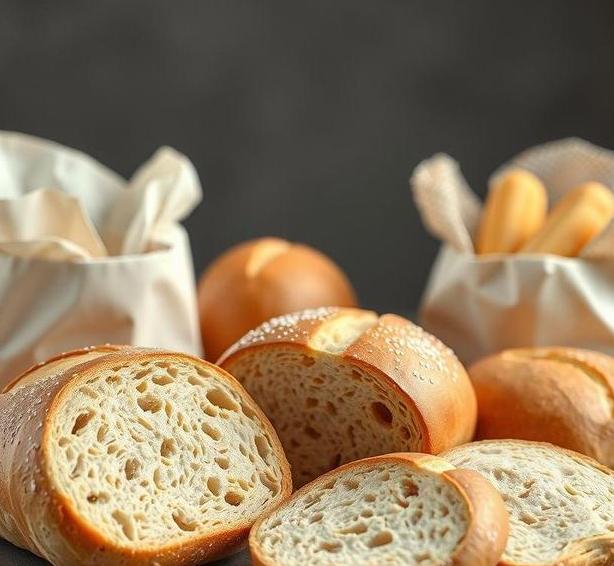
The shelf life of bread products depends on a variety of factors, but on average, you can expect the following timeframes for different types of bread:
-
Freshly Baked Bread (No Preservatives)
- Typically lasts about 2-3 days at room temperature before showing signs of staleness or mold.
- If stored in the refrigerator, it can last up to 7 days but may dry out more quickly.
-
Packaged Store-Bought Bread
- Bread with preservatives can last 5-7 days at room temperature.
- Refrigerating it can extend the shelf life to around 2 weeks.
-
Sourdough Or Artisan Bread (No Preservatives)
- Lasts 3-5 days at room temperature.
- Can be frozen to extend its shelf life up to 3 months without significant quality loss.
-
Buns And Rolls
- Generally last 3-5 days at room temperature.
- If they’re bought pre-packaged and have preservatives, you might get up to 7 days before they start to lose quality.
-
Frozen Bread
- Freezing bread is one of the best ways to extend its shelf life. It can last up to 3 months in the freezer. Just make sure it’s wrapped tightly to prevent freezer burn.
Common Signs Of Spoilage
Bread might not always announce that it’s gone bad with a big red flag, but there are several telltale signs that will give you the heads-up:
- Mold: This is probably the most obvious sign. Mold can show up as green, blue, or white fuzzy spots. Even a small patch of mold means the entire loaf should be discarded, as mold can spread through the bread even if you can’t see it.
- Sour or Off Smell: While sourdough bread has a naturally tangy aroma, if your bread smells off in any way that’s not characteristic of its original scent, it’s time to toss it. A sour, fermented, or rancid odor can indicate spoilage or bacterial growth.
- Hard or Stale Texture: Bread naturally becomes stale as it loses moisture, but this doesn’t necessarily mean it’s spoiled-just less enjoyable to eat. However, if the bread is excessively hard, dry, or crunchy (and no longer enjoyable even when toasted), it’s past its prime.
- Discoloration: If you notice any unusual color changes in the bread-like darkening or black spots-this is a red flag for spoilage. It could be mold, or it could indicate that the bread has gone rancid.
- Off Taste: If you take a bite and the bread tastes strange or bitter, don’t risk it. It’s a sign that bacteria or fungi might be present.
How To Store Bread Products?
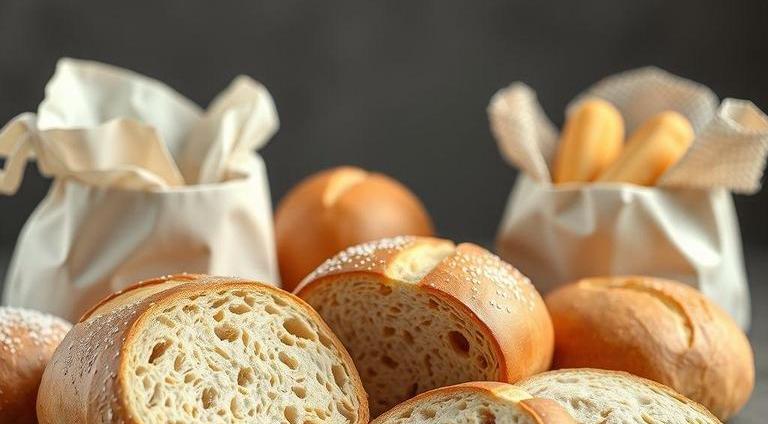
Proper storage is key to ensuring your bread lasts as long as possible and stays fresh. Here’s how you can store bread products for optimal freshness:
- Room Temperature: If you plan to eat the bread within a few days, storing it in a cool, dry place (like a breadbox or pantry) is fine. Keep it in its original packaging or wrap it in a clean kitchen towel to protect it from air exposure. Don’t store bread in a plastic bag unless it’s pre-packaged-this can trap moisture and cause mold growth.
- Refrigeration: While refrigeration can extend the shelf life of bread (up to a week), it also tends to dry out bread more quickly. For best results, store it in a paper bag or wrap it tightly in a kitchen towel to prevent it from becoming too hard.
- Freezing: If you’ve bought extra bread or know you won’t eat it in time, freezing it is an excellent way to keep it fresh. Slice the bread first, so you can take out only the amount you need. Wrap it tightly in plastic wrap or foil, and then place it in a resealable freezer bag. Frozen bread stays good for 3 months.
- Avoid Plastic Bags for Fresh, Artisan Breads: Artisan or homemade bread, which lacks preservatives, needs air to maintain its texture. For this type of bread, use a linen bread bag or wrap it in a cloth. Plastic bags can lead to excess moisture and mold.
Expert Tips For Extending The Freshness Of Bread
- Use a Breadbox: A traditional breadbox provides a controlled environment that allows for airflow while keeping the bread from drying out. It’s a classic tool that really works to maintain texture.
- Don’t Slice the Whole Loaf: If you don’t plan on using the whole loaf in one go, keep it unsliced. The cut surface is more exposed to air and moisture, which speeds up staleness and spoilage.
- Reheat Stale Bread: If your bread has gone a little stale but isn’t moldy or spoiled, you can refresh it by lightly sprinkling it with water and heating it in the oven for a few minutes. This helps to revive its texture and make it more enjoyable.
- Avoid Refrigerating Bread (Unless Necessary): Although it might extend the shelf life, refrigeration can dry out bread, making it less pleasant to eat. Only refrigerate bread if it’s humid or very hot where you live.
FAQs
Can Bread Products Go Bad Even If They Are Stored Properly?
Yes, bread products can go bad even when stored properly. Over time, they will naturally deteriorate due to the growth of mold, staleness, or the breakdown of ingredients, even in ideal conditions.
How Long Can Bread Products Typically Last Before Going Bad?
The shelf life of bread products depends on the type and storage method. Fresh bread usually lasts 3-5 days at room temperature, while packaged bread may last up to a week or more. Storing bread in the freezer can extend its shelf life for several months.
What Are Signs That Bread Has Gone Bad?
Common signs of bad bread include visible mold, a sour or off smell, hard texture, or significant discoloration. If the bread has a dry or stale taste but no mold or off smell, it is still safe to eat but not ideal.
Does Bread Mold Faster If It Is Not Stored Properly?
Yes, bread will mold much faster if not stored properly. Bread should be kept in a cool, dry place in an airtight container or plastic bag. Storing it in a humid or warm environment accelerates mold growth.
Can Bread Products Go Bad In The Freezer?
While freezing bread extends its shelf life, it can still go bad if stored improperly or kept for too long. Freezer burn or freezer storage beyond 6 months can degrade the texture and taste of the bread.
Can I Eat Bread Products If They Have Mold On Them?
It is not safe to eat bread that has mold on it. Mold can spread beyond what is visible, and consuming moldy bread can cause health issues such as allergic reactions or food poisoning.
Do Different Types Of Bread Have Different Shelf Lives?
Yes, different types of bread have varying shelf lives. For example, artisan bread or homemade bread tends to spoil faster than commercially packaged bread, which contains preservatives that prolong its freshness.
Can Bread Go Bad If It’s Left In The Fridge?
While refrigerating bread can prevent mold, it also accelerates the process of staling. Bread in the fridge may dry out and lose its texture and flavor. It’s better to freeze bread if you’re not planning to eat it within a few days.
Why Does Bread Get Stale, And Can It Be Made Fresh Again?
Bread gets stale when the starch molecules crystallize over time, causing the bread to lose moisture. You can refresh stale bread by reheating it in the oven with a bit of water to help restore some of its softness.
Is It Safe To Eat Bread Products That Are Past Their Expiration Date?
It depends. If the bread shows no signs of mold, unpleasant smell, or severe texture changes, it may still be safe to eat after the expiration date. However, you should always check for any signs of spoilage before consuming bread past its expiration.