When it comes to seafood, catfish is one of the most popular choices around the globe. Whether it’s fried, grilled, or baked, catfish offers a mild, slightly sweet flavor and a firm texture that makes it a favorite in many kitchens. However, like all seafood, it’s important to pay attention to how you store, handle, and prepare it. Because fish is highly perishable, the question of whether catfish can go bad is something that any responsible home cook should understand. After all, food safety is key to ensuring that your meal is not only delicious but safe to eat.
If you’re wondering about the shelf life of catfish, how to store it, or how to tell if it’s gone bad, you’re in the right place. This guide will walk you through everything you need to know, from understanding spoilage signs to the best methods for storing catfish, and even some expert tips to make sure you’re getting the most out of your fish.
Can Catfish Go Bad?
Yes, catfish can absolutely go bad. Like all fish, it is highly perishable due to its high moisture content and delicate protein structure. Fresh catfish is particularly susceptible to spoilage because bacteria and enzymes naturally present in the fish begin breaking down the flesh quickly after it’s caught. In fact, the window for freshness is shorter with catfish than many other meats, which is why it’s crucial to be mindful of how long it sits in your fridge, freezer, or on your counter.
In addition to bacterial growth, oxidation can also play a role in the degradation of catfish. As the fish sits exposed to air, the fats in its flesh can start to turn rancid, which not only affects the flavor but can also pose health risks. Knowing the signs of spoilage and the best ways to store catfish will help you avoid any unpleasant or potentially unsafe experiences when it comes time to cook.
Shelf Life For Catfish
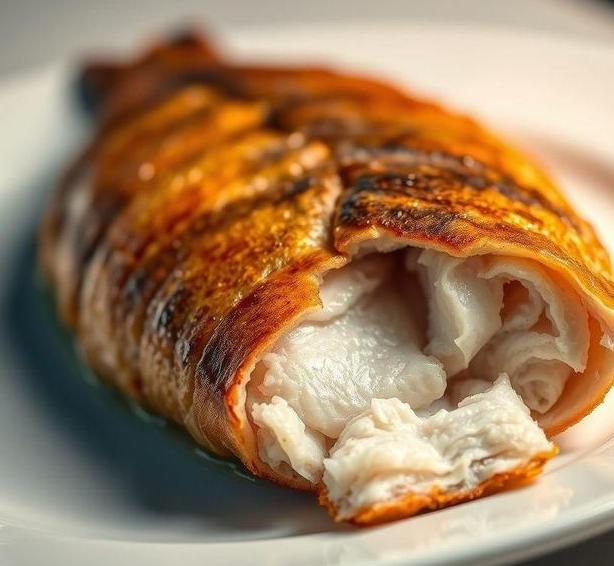
When you buy fresh catfish, understanding how long it will last depends on a few key factors: whether it’s fresh or frozen, how it’s been handled, and how it’s stored.
Here’s a breakdown of typical shelf life for catfish under various conditions:
-
Fresh Catfish (Uncooked)
- Refrigerated: Typically lasts 1-2 days in the fridge if stored properly in an airtight container or tightly wrapped in plastic wrap. After this time, the fish can start to deteriorate in both taste and safety.
- Frozen: When properly wrapped in freezer-safe packaging, catfish can last up to 6 months in the freezer. Freezing helps preserve the fish’s quality, but after this time, the taste and texture can degrade.
-
Cooked Catfish
- Refrigerated: Cooked catfish can last about 3-4 days in the refrigerator. Make sure it’s stored in an airtight container to avoid contamination and drying out.
- Frozen: If you’ve already cooked the catfish, it can be stored in the freezer for 2-3 months. It’s best to freeze it in portions to avoid having to thaw and refreeze multiple times, which can affect the texture.
-
Smoked Or Canned Catfish
- Smoked: Smoked catfish can last 1-2 weeks in the fridge when stored properly. If frozen, it can last up to 6 months.
- Canned: Unopened, canned catfish can last up to 1-2 years in the pantry, though you should always check the expiration date and look for signs of damage to the can before eating.
Common Signs Of Spoilage
Knowing when catfish has gone bad is crucial, and the signs are often easy to identify if you’re paying attention. Look out for these common indicators:
-
Off Or Sour Smell
- Fresh catfish should have a mild, oceanic scent that’s not too overpowering. If it smells sour, ammonia-like, or just generally “off”, it’s a sign that spoilage has begun. An unpleasant odor is one of the most obvious signs that the fish is no longer safe to eat.
-
Discolored Flesh
- The flesh of fresh catfish should be translucent and pale, with a slight sheen. If you notice any yellowing, grayness, or the appearance of a slimy coating, that’s an indication that it’s gone bad. The fish may also turn a dull or mushy color as it spoils.
-
Slimy Texture
- Fresh catfish should have firm, moist flesh that feels slightly sticky, but not slimy. If you touch the fish and it feels overly slippery or gooey, it’s a strong indication that bacteria or spoilage is taking place.
-
Soft, Mushy Flesh
- Fresh catfish has a firm texture. If you press into the flesh and it feels mushy, or if it easily breaks apart when handled, this means that enzymes have begun breaking down the fish, and it’s no longer fresh.
-
Off Taste
- If you cook and taste the fish, and it has a bitter, overly fishy, or rancid flavor, don’t eat it. An off taste is usually accompanied by an unpleasant odor and texture changes.
How To Store Catfish?
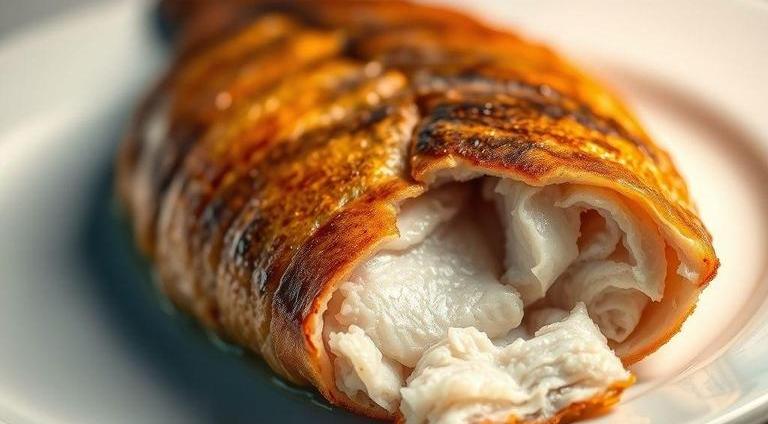
Proper storage is the best way to preserve the freshness and quality of your catfish. Here are some tips on how to store it at each stage:
Refrigerating Fresh Catfish
- Keep it cold: Always store your catfish at the coldest part of the fridge (near the back or bottom shelf). The ideal storage temperature is 32°F (0°C).
- Use airtight containers or wrap: Fresh catfish should be tightly wrapped in plastic wrap, foil, or wax paper, or placed in an airtight container to prevent it from absorbing odors from other foods.
- Place on ice: If you’re storing fresh fish for a couple of days, you can place it on a bed of ice in a shallow pan. Just be sure to change the ice out as it melts.
Freezing Catfish
- Wrap tightly: To preserve flavor and texture, wrap catfish tightly in plastic wrap or wax paper, and then place it in a freezer bag or vacuum-sealed bag. Squeeze out as much air as possible before sealing.
- Label: Don’t forget to label the bag with the date you froze it, so you can track how long it’s been in the freezer. Use it within 6 months for optimal quality.
Storing Cooked Catfish
- Cool down: Before refrigerating cooked catfish, let it cool down to room temperature (within 2 hours of cooking) to prevent bacterial growth.
- Store in airtight containers: Place the cooked fish in an airtight container and refrigerate. Reheat thoroughly before eating.
Expert Tips For Handling Catfish
To ensure you’re handling and storing catfish in the safest and most effective way possible, here are some expert tips:
- Avoid Cross-Contamination: Always use separate cutting boards, utensils, and plates for fish, especially if you’re working with raw catfish. Clean your hands thoroughly after touching raw fish.
- Check Freshness Before Buying: When shopping, always choose catfish that has clear, firm flesh. Avoid fish with a strong odor, cloudy eyes, or any discoloration.
- Don’t Overcook: Overcooking catfish can dry it out, so be careful to avoid leaving it on the heat for too long. A few minutes of grilling or frying are usually sufficient, depending on the thickness of the fillet.
- Thaw Properly: If you’ve frozen your catfish, avoid thawing it on the counter. Instead, place it in the fridge for several hours or overnight to defrost slowly and safely. You can also thaw it quickly by placing it in a sealed plastic bag and immersing it in cold water.
FAQs
Can Catfish Go Bad If Left Out At Room Temperature?
Yes, catfish can go bad if left out at room temperature for too long. It is recommended to not leave catfish or any other fish at room temperature for more than two hours, as bacteria can quickly grow and cause spoilage.
How Can I Tell If Catfish Has Gone Bad?
Signs that catfish has gone bad include a sour or rancid odor, slimy texture, and discoloration. Fresh catfish should have a mild, ocean-like smell, firm texture, and translucent flesh.
How Long Can Catfish Last In The Fridge?
Fresh catfish can last up to 1-2 days in the fridge if stored properly. It is important to keep the fish in an airtight container or wrapped tightly in plastic wrap to prevent contamination.
Can Frozen Catfish Go Bad?
Yes, frozen catfish can go bad over time. While freezing helps preserve the fish for several months, if not stored properly or if it has been frozen for too long (over 6 months), it can develop freezer burn, leading to poor texture and flavor.
What Causes Catfish To Spoil?
Catfish spoils due to the growth of bacteria, such as Salmonella or Listeria, which thrive in warm temperatures. Exposure to air and improper storage conditions can also accelerate spoilage.
Can I Eat Catfish That Is Past Its Expiration Date?
It is not recommended to eat catfish past its expiration date, especially if it shows signs of spoilage like a foul smell, slimy texture, or discoloration. The expiration date is an indicator of freshness and safety.
How Should I Store Catfish To Prevent It From Going Bad?
To prevent catfish from going bad, store it in the coldest part of the refrigerator, ideally at a temperature below 40°F (4°C). If you don’t plan to use it within a couple of days, freezing it is a good option.
Can Cooked Catfish Go Bad?
Yes, cooked catfish can go bad. Leftover cooked catfish should be stored in an airtight container in the fridge and consumed within 3-4 days. If it has an off smell or texture, discard it.
Is It Safe To Eat Catfish With A Slightly Off Smell?
No, catfish with a slightly off smell should be discarded. A fresh catfish has a mild ocean-like aroma, and any sour or fishy smell is an indicator of spoilage.
Can I Extend The Shelf Life Of Catfish?
You can extend the shelf life of catfish by freezing it. Ensure it is wrapped tightly in plastic wrap or placed in a vacuum-sealed bag to prevent freezer burn. Proper storage techniques can keep it fresh for up to 6 months.