Chicken casserole is a beloved comfort food, a dish that brings warmth and satisfaction with every bite. Whether you’re preparing it for a family dinner, a potluck, or meal prep for the week, its creamy layers, tender chicken, and savory ingredients are hard to resist. But like any cooked dish, you might wonder-can chicken casserole go bad? How long can you keep it in the fridge? Can you freeze it? The last thing you want is to find out the hard way that your leftovers have spoiled. So let’s dive deep into the details on how to store, identify spoilage, and keep that casserole fresh for as long as possible.
Can Chicken Casserole Go Bad?
Absolutely, chicken casserole can go bad. Just because it’s baked and ready to serve doesn’t mean it’s impervious to spoilage. The combination of cooked chicken, creamy sauces, vegetables, and possibly cheese and breadcrumbs makes it a prime environment for bacterial growth when stored improperly or left for too long. Even if it’s the most delicious, comforting casserole, its ingredients-especially the chicken-are prone to spoilage if not handled correctly.
- Bacteria and Mold Growth: Chicken casserole contains protein-rich chicken, dairy, and sometimes vegetables, which are all moisture-rich. These elements provide a perfect breeding ground for bacteria like Salmonella and Campylobacter, which can thrive in improperly stored or expired food.
- Texture and Taste Deterioration: Over time, the casserole’s texture can change. The sauce might separate, and the chicken may become dry or slimy, while the vegetables could lose their firmness. All of this results in a less appetizing dish.
Shelf Life For Chicken Casserole
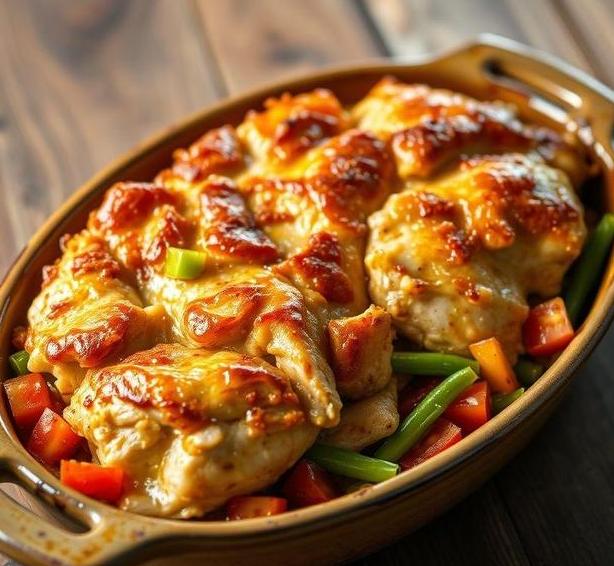
Understanding the shelf life of chicken casserole is key to enjoying it safely. Its shelf life depends on how you store it, but generally:
-
Refrigerator Storage
- If properly stored in an airtight container, chicken casserole will last about 3 to 4 days in the fridge.
- After this period, the risk of spoilage increases, and you should avoid eating it even if it doesn’t show immediate signs of going bad.
-
Freezer Storage
- For long-term storage, you can freeze chicken casserole for 2 to 3 months. This will preserve the flavors and texture better than keeping it in the fridge for extended periods.
- However, after freezing, you’ll want to reheat it properly to avoid any potential foodborne illness.
How The Ingredients Impact Shelf Life
- Chicken: Cooked chicken is typically the most perishable component. It’s best consumed within 2 to 3 days in the fridge if you’re looking to avoid any risk of spoilage.
- Dairy and Cheese: Dairy products in the casserole, such as milk, cream, or cheese, also have a relatively short shelf life. These can sour or curdle if left for too long.
- Vegetables: While vegetables tend to hold up better than the meat and dairy, they can still soften and lose their fresh taste as time goes on. In the fridge, they are good for about 3 to 4 days.
Common Signs Of Spoilage
Spoilage can happen in subtle ways. To avoid eating bad casserole, be vigilant and watch for these key signs:
-
Smell
- The first and most obvious indicator of spoilage is an off smell. If your casserole starts to smell sour, rancid, or just “off”, it’s time to toss it. Freshly cooked casseroles typically have a rich, savory scent, so anything unpleasant is a red flag.
-
Discoloration
- If the chicken or vegetables have a strange color (like grayish or greenish hues), it’s likely that bacteria or mold is at work. Similarly, if there are any signs of mold (especially on the surface or in the sauce), it’s a sign that the casserole is no longer safe to eat.
-
Texture Changes
- As casseroles age, the texture of the ingredients can shift. If the chicken becomes slimy, the sauce separates into clumps, or the casserole has become mushy in spots, that’s a clear sign it’s past its prime.
-
Taste
- If all else fails, taste-testing is an option (though not the safest). If it tastes sour, rancid, or off in any way, throw it out immediately.
-
Excessive Liquid
- If you notice that the casserole has developed a pool of liquid around the dish or that it looks more watery than when you initially made it, the recipe may have started to break down. While this isn’t a guaranteed sign of spoilage, it can indicate that the dish is on its way out.
How To Store Chicken Casserole?
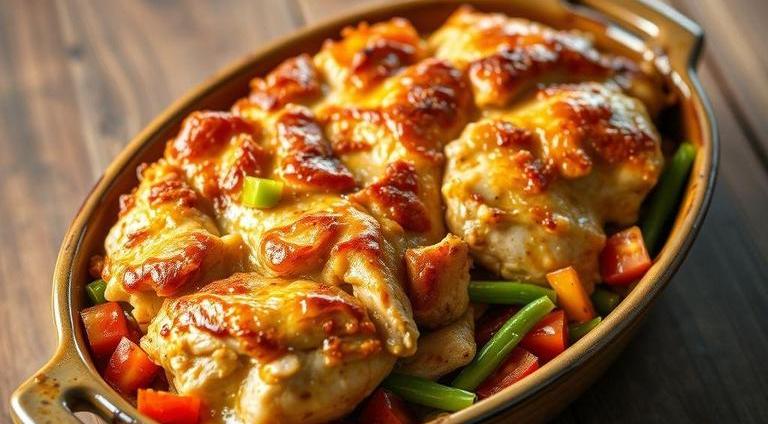
Proper storage is crucial to extending the shelf life of your chicken casserole. Here’s how you can ensure it stays as fresh as possible:
Refrigerator Storage
- Cool it Down: Allow your casserole to cool completely at room temperature before storing it. Never leave it out for more than two hours, as bacteria can start to grow rapidly at temperatures between 40°F and 140°F.
- Airtight Containers: Store your casserole in a shallow, airtight container to prevent air from getting in. This helps to keep the casserole fresh and prevents the buildup of moisture that can lead to bacterial growth.
- Label and Date: Label your container with the date you made the casserole. This way, you know exactly when it should be eaten or discarded.
Freezer Storage
- Use Freezer-Safe Containers: To freeze, use an airtight, freezer-safe container or wrap the casserole tightly in plastic wrap and aluminum foil. This helps to protect it from freezer burn and preserve the flavor.
- Portion It Out: If you know you won’t eat it all at once, portion it out into smaller containers or even individual servings. This makes reheating more convenient and reduces the risk of thawing and refreezing multiple times, which can affect texture and safety.
- Thaw Properly: When you’re ready to eat your frozen casserole, always thaw it in the refrigerator overnight. Reheat thoroughly before serving, reaching an internal temperature of 165°F to kill any potential bacteria.
Expert Tips
If you want to extend the shelf life and ensure your casserole stays fresh for as long as possible, follow these expert tips:
- Use Fresh Ingredients: The fresher your ingredients are when you make the casserole, the longer it will last. Avoid using chicken or vegetables that are near their expiration date.
- Add Extra Toppings Later: If you plan on freezing the casserole, hold off on adding things like breadcrumbs, crackers, or fried onions until you’re ready to bake it. These toppings can lose their crispness and texture when frozen and reheated.
- Avoid the Microwave for Reheating: Microwaving leftovers is convenient, but it can lead to uneven heating and a change in texture. If possible, reheat your casserole in the oven, covered, at 350°F for about 20 minutes or until it’s heated through.
- Don’t Overload the Dish: A casserole with too many ingredients might not store as well. Try to balance the ratio of chicken, vegetables, and sauce so that it doesn’t become too heavy and soggy over time.
FAQs
How Long Can Chicken Casserole Last In The Refrigerator?
Chicken casserole can typically last in the refrigerator for 3 to 4 days when stored in an airtight container. Be sure to cool it to room temperature before refrigerating to prevent bacterial growth.
Can Chicken Casserole Go Bad If Left Out Overnight?
Yes, chicken casserole can go bad if left out at room temperature for more than 2 hours. The USDA recommends discarding perishable foods left out for longer periods to avoid foodborne illness.
How Can I Tell If Chicken Casserole Has Gone Bad?
Signs that chicken casserole has gone bad include an off or sour smell, discoloration, or the presence of mold. If it feels slimy or has a change in texture, it’s best to discard it.
Can Chicken Casserole Be Frozen?
Yes, chicken casserole can be frozen for up to 2 to 3 months. Make sure to store it in an airtight container or a freezer-safe bag to prevent freezer burn.
How Do I Reheat Chicken Casserole Safely After Freezing?
To reheat frozen chicken casserole, it’s best to thaw it in the refrigerator overnight. Once thawed, you can reheat it in the oven at 350°F (175°C) for about 20-25 minutes or until heated through.
Can Chicken Casserole Go Bad If It’s Reheated Multiple Times?
Reheating chicken casserole multiple times is not recommended. Each reheating increases the risk of bacterial growth, which can cause foodborne illness. It’s safer to reheat only the portion you plan to eat.
What Should I Do If I Suspect My Chicken Casserole Has Gone Bad?
If you suspect your chicken casserole has gone bad, discard it immediately. Don’t taste it to check its safety. If it shows signs like off smells, discoloration, or mold, it’s best to err on the side of caution.
Can Chicken Casserole Go Bad In The Freezer?
While chicken casserole can be stored in the freezer for several months, it can degrade in quality over time. It may develop freezer burn if not properly wrapped, which could affect its flavor and texture.
Does Chicken Casserole Spoil Faster Than Other Casseroles?
Chicken casserole may spoil slightly faster than casseroles made with other proteins, such as beef or pork, because poultry is more susceptible to bacterial contamination. Proper storage and handling can help prolong its freshness.
Can I Store Leftover Chicken Casserole In The Same Dish I Cooked It In?
It is not recommended to store leftover chicken casserole in the same dish it was cooked in unless it is properly sealed. Transferring it to an airtight container helps preserve freshness and prevents contamination.