Chocolate, one of the most beloved treats in the world, holds a special place in many of our lives. Whether it’s a midday snack, a gift for a special occasion, or a comfort food during a tough time, chocolate has been a part of human history for centuries. But, like all good things, it doesn’t last forever. So, when you’re reaching for that leftover bar of chocolate at the back of your pantry, it’s worth asking: can chocolate go bad? The answer is not as straightforward as you might think.
In this guide, we’ll explore the shelf life of chocolate, how to tell when it’s gone past its prime, and how to store it properly so that you can enjoy it at its best. We’ll also give you some expert tips to help you get the most out of your chocolate stash. So, if you’ve ever wondered whether that piece of chocolate you’ve had lying around for months is still good to eat, read on!
Can Chocolate Go Bad?
The short answer is: yes, chocolate can go bad. However, the timeline and the exact way it deteriorates depend on several factors like the type of chocolate, storage conditions, and whether it’s been exposed to air, moisture, or heat.
- Chocolate doesn’t spoil in the same way fresh produce does; it doesn’t grow mold or become unsafe to eat unless there’s something seriously wrong with it.
- What happens instead is that chocolate can lose its flavor, texture, and overall quality, making it less enjoyable to eat.
- Even if it doesn’t “go bad” in the traditional sense, certain types of chocolate can still be affected by time and exposure to various environmental factors.
Shelf Life For Chocolate
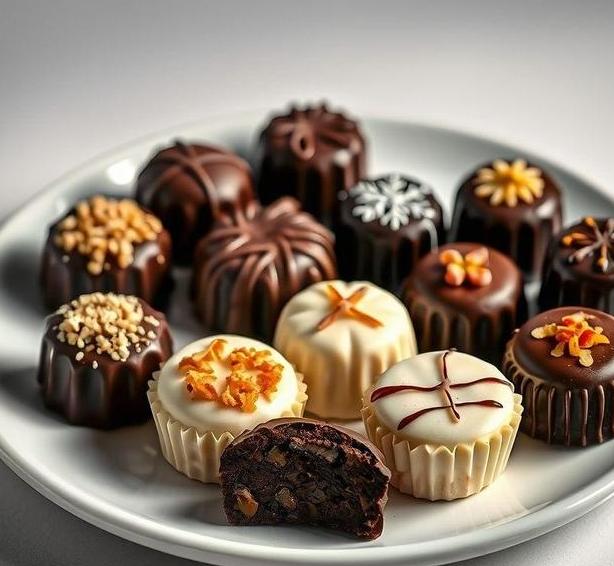
Knowing how long chocolate stays fresh can save you from throwing away a perfectly good piece of indulgence. Different types of chocolate have different shelf lives, so it’s important to consider the composition of your chocolate before diving in.
Dark Chocolate
- Shelf Life: Dark chocolate has the longest shelf life of any chocolate. When stored properly, it can last anywhere from 2 to 5 years.
- Why? Dark chocolate has a higher cocoa content and lower sugar, which makes it more resistant to spoilage. It’s also less likely to be affected by temperature fluctuations.
Milk Chocolate
- Shelf Life: Milk chocolate typically lasts 1 to 2 years.
- Why? The milk solids in milk chocolate make it more susceptible to spoiling compared to dark chocolate. It can lose its creamy texture and flavor over time.
White Chocolate
- Shelf Life: White chocolate has a similar shelf life to milk chocolate, typically around 1 to 2 years.
- Why? Like milk chocolate, it contains dairy ingredients that can cause it to go bad more quickly than dark chocolate. Additionally, the absence of cocoa solids can affect the flavor profile.
Chocolate With Add-ins (like Nuts, Fruit, Or Caramel)
- Shelf Life: These types of chocolates have the shortest shelf life, typically 6 months to 1 year.
- Why? The added ingredients like nuts, dried fruit, or caramel can affect the chocolate’s ability to maintain its quality. These add-ins can go rancid, leading to off flavors, and sometimes spoilage.
Hot Chocolate Mix
- Shelf Life: 1 to 2 years (if it doesn’t contain dairy powder).
- Why? If the mix is kept dry and free from moisture, it can last quite a while. However, if it contains powdered milk or other perishable ingredients, its shelf life will be much shorter.
Common Signs Of Spoilage
Chocolate might not develop mold like bread or fruit, but there are still several ways to tell when chocolate has passed its prime. Here are the most common signs of spoilage:
- White spots or streaks: If you notice a whitish film or spots on your chocolate, it’s probably chocolate bloom. This happens when cocoa butter rises to the surface, often as a result of temperature fluctuations or improper storage. While the chocolate is still safe to eat, the texture and flavor may be compromised.
-
Rancid smell or taste: Chocolate that has gone rancid will have a distinct, unpleasant smell, often described as nutty or stale. If chocolate contains nuts or milk, the oils in those ingredients may break down over time, leading to an off-putting flavor.
- This is more common in milk and white chocolates because of their higher fat content. Dark chocolate is less likely to go rancid unless it’s been exposed to improper storage conditions.
- Hard or crumbly texture: If chocolate feels hard or crumbles when you break it, it’s likely lost its original texture. While this isn’t always harmful, it does affect the eating experience. Chocolate that’s been improperly stored, especially in hot or humid environments, can also lose its smoothness and creamy texture.
- Separation: If the chocolate has been exposed to moisture, it can develop a grainy or separated texture. This is especially common in chocolate with added ingredients like caramel or fruit. Chocolate that has become ’sweaty’ due to humidity may still be safe to eat, but it won’t be pleasant.
How To Store Chocolate?
Proper storage is key to maintaining the quality and extending the shelf life of your chocolate. Here are some tips to ensure your chocolate stays fresh and delicious for as long as possible:
- Cool, dry place: Store chocolate in a cool, dry place away from direct sunlight, heat, or humidity. A pantry or cupboard works best. Avoid storing chocolate near heat sources, such as the stove or oven.
- Ideal Temperature: The ideal temperature range for storing chocolate is between 60-70°F (15-21°C). Chocolate can tolerate temperature changes, but it’s best not to store it in the refrigerator or freezer, as this can cause condensation, which ruins the texture and creates an environment for the chocolate to absorb odors.
- Avoid the fridge: While some people think refrigerating chocolate extends its shelf life, it actually harms the texture and flavor. Refrigeration can cause chocolate to sweat, leading to moisture buildup and a loss of smoothness.
- Seal it up: If you’ve opened a bar or package of chocolate, keep it tightly wrapped in its original packaging or transfer it to an airtight container. This will help prevent it from absorbing odors from other foods, as chocolate is very absorbent.
- Keep away from strong odors: Chocolate is highly sensitive to odors, and it can absorb them if not stored properly. So, don’t store it near strong-smelling foods like onions or garlic.
Expert Tips
- Rescue your chocolate bloom: If you notice chocolate bloom, it doesn’t mean the chocolate is spoiled. You can still use it in baking, hot chocolate, or melt it down for a smooth texture again. Simply melt the chocolate gently to restore its creamy consistency.
- Buy in moderation: To prevent chocolate from sitting around for too long and going to waste, try to buy it in quantities you know you’ll eat within a reasonable time frame. That way, you’ll always have fresh, tasty chocolate on hand.
- Freezing: If you have a surplus of chocolate that you can’t finish before its best-before date, freezing is a good option. Wrap the chocolate tightly in plastic wrap, and place it in an airtight container or resealable bag. When you’re ready to eat it, let it thaw slowly at room temperature for the best flavor and texture.
- Use chocolate wisely: Don’t forget about all the ways you can use older chocolate that’s still safe to eat but might not have the best texture. Melt it down to make ganache, drizzle over desserts, or use it in baking. In recipes, the changes in texture often aren’t as noticeable.
FAQs
Can Chocolate Go Bad Over Time?
Yes, chocolate can go bad over time. It doesn’t spoil in the same way as perishable foods, but it can lose its quality. Over time, chocolate may experience changes in texture, flavor, and appearance due to exposure to air, light, and temperature fluctuations.
How Can I Tell If Chocolate Has Gone Bad?
Signs that chocolate has gone bad include a white, powdery coating (called ’bloom’) on the surface, a rancid or off smell, a change in texture (such as becoming too soft or too hard), or an unusual taste. If the chocolate has a bitter flavor, it may have gone stale or spoiled.
Does Chocolate Have An Expiration Date?
Yes, chocolate typically has a ’best by’ or expiration date printed on the packaging. However, it doesn’t mean it becomes unsafe to eat after this date. It just indicates when the quality of the chocolate might start to decline.
Can Chocolate Go Bad If It’s Stored Improperly?
Yes, improper storage can cause chocolate to deteriorate more quickly. Chocolate should be stored in a cool, dry place away from direct sunlight, strong odors, and high temperatures to preserve its texture and flavor.
How Long Does Chocolate Last If Stored Properly?
When stored in a cool, dry place, unopened chocolate can last for 1 to 2 years past its ’best by’ date. Opened chocolate may last 6 months to a year, depending on the type and storage conditions.
Can Chocolate Go Bad If It’s Exposed To Heat?
Yes, heat can cause chocolate to melt and change its texture. It can also promote the development of bloom, which is a sign of fat or sugar separation. Heat can also affect the flavor, making it taste stale or bitter.
What Happens If I Eat Old Chocolate?
Eating old chocolate isn’t likely to make you sick, but it may not taste as good. If the chocolate has developed an off flavor, unusual texture, or rancid smell, it’s best to avoid eating it for a more enjoyable experience.
Can Chocolate With Milk Go Bad Faster Than Dark Chocolate?
Yes, chocolate with milk generally has a shorter shelf life compared to dark chocolate. The milk content can cause it to spoil more quickly due to its susceptibility to bacterial growth and faster fat oxidation.
Can You Freeze Chocolate To Make It Last Longer?
Yes, you can freeze chocolate to extend its shelf life. However, it should be tightly wrapped in airtight packaging to prevent moisture and odors from affecting it. After freezing, allow the chocolate to come to room temperature before unwrapping to prevent condensation.
What Is Chocolate Bloom And Does It Mean The Chocolate Has Gone Bad?
Chocolate bloom refers to a white or grayish coating on the surface of chocolate, which can occur due to changes in temperature or moisture. While it may make the chocolate look less appealing, it doesn’t necessarily mean the chocolate has gone bad. It’s a cosmetic change, and the chocolate is still safe to eat, though it may taste different.