Cranberries are a delightful little fruit that packs a punch when it comes to flavor and health benefits. Whether you’re using them to make a vibrant cranberry sauce for a holiday feast, tossing a handful into a salad, or baking them into a homemade loaf, cranberries add a refreshing tartness that’s hard to beat. But what happens if you have extra cranberries and don’t use them right away? Do they spoil quickly, or can you keep them around for a while?
In this guide, we’ll take a deep dive into how cranberries can go bad, the typical shelf life of fresh cranberries, how to tell if they’ve spoiled, and, of course, the best ways to store them so they last as long as possible. Let’s explore everything you need to know about cranberries and their longevity!
Can Cranberries Go Bad?
The short answer is yes, cranberries can go bad, just like any other fresh produce. But don’t worry – these little berries have some remarkable natural preservative properties that give them a relatively long shelf life when handled correctly. Cranberries contain organic acids, such as benzoic acid, which help inhibit the growth of bacteria and fungi, allowing them to stay fresh longer than many other fruits.
However, their longevity doesn’t last forever. While cranberries are hardier than other fruits, they still have a limited window of freshness, especially once they’ve been picked or processed.
Here’s where things get a little tricky: if you’re working with fresh cranberries, they’ll eventually spoil. But even if you have dried cranberries or cranberry juice, those too can go bad, though they have longer shelf lives than the fresh kind. The key is understanding how they spoil and how to spot the signs of degradation before they turn from sweet-tart to unappetizing.
Shelf Life For Cranberries
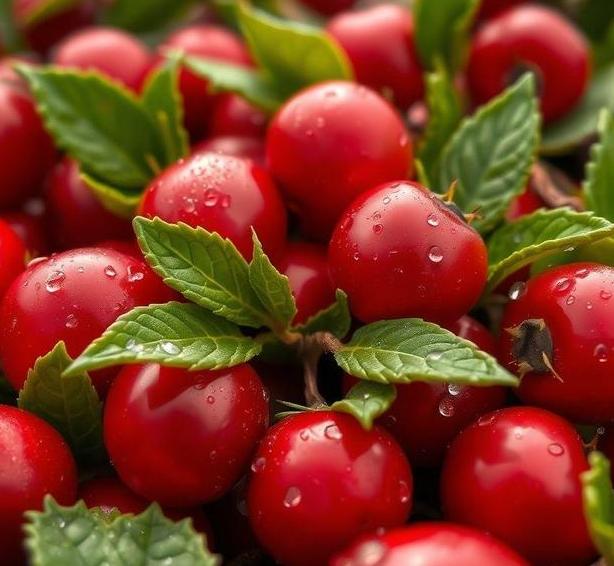
Understanding the shelf life of cranberries is essential in knowing when to use them and when to toss them out. Fresh cranberries, which are often harvested in the fall, are incredibly hardy when compared to most fruits. But their shelf life varies depending on storage methods.
-
Fresh Cranberries (Refrigerated)
- When stored properly in the fridge, fresh cranberries can last for up to three to four weeks. They come with a natural wax coating that helps prevent premature spoilage, which extends their lifespan.
- If left unrefrigerated or stored improperly, they can begin to degrade much faster.
-
Fresh Cranberries (Frozen)
- If you want to extend the life of your cranberries even further, freezing them is an excellent option. Frozen cranberries can last up to one year in the freezer. They’ll maintain their tart flavor and nutritional value for months, making them perfect for year-round use in recipes.
-
Dried Cranberries
- Dried cranberries have a much longer shelf life, lasting up to one year if stored in a cool, dry place. If they’re in a vacuum-sealed bag or have preservatives, they can last even longer.
-
Cranberry Juice
- Store-bought cranberry juice will last about 7 to 10 days once opened, but as long as it remains sealed, it can stay fresh in the pantry for 6 to 12 months.
-
Canned Cranberries
- Cranberry sauce and canned cranberries typically last much longer, often up to 1-2 years if unopened and stored in a cool, dark place. Once opened, they should be used within 5 to 7 days.
Common Signs Of Spoilage
Even with their extended shelf life, cranberries are not immune to spoilage. While they’re pretty resilient, it’s important to check them regularly to make sure they haven’t passed their prime. Here’s how you can tell when they’ve gone bad:
-
Discoloration
Fresh cranberries are a vibrant red, but if they begin to turn dull or dark, it’s usually a sign they’re past their best. If the cranberries are blackened or brown, toss them.
-
Softness And Mushiness
Cranberries should be firm to the touch. If they feel squishy or mushy, they may have started to rot inside. Soft cranberries are also more likely to develop mold, so it’s best to discard them.
-
Wrinkling Or Shriveling
Dried cranberries that start to wrinkle or shrivel significantly may still be edible, but they won’t be as flavorful. Fresh cranberries that have wrinkled could be nearing the end of their shelf life.
-
Mold
One of the most obvious signs of spoilage, mold growth is usually easy to spot on cranberries. If you see fuzzy spots, especially white, green, or gray mold, it’s best to toss the whole batch.
-
Funky Smell
Cranberries have a distinct tart aroma when they’re fresh. If they begin to smell sour, rancid, or overly fermented (especially if they are dried or in juice form), they should be discarded.
-
Sliminess
Fresh cranberries that develop a slimy texture are spoiled. This is often a sign of bacterial growth or fermentation, which means they should no longer be consumed.
How To Store Cranberries?

Storing cranberries properly is crucial to prolonging their shelf life and ensuring they stay fresh for as long as possible. Here’s how you can store them, depending on whether they’re fresh, dried, or in juice form.
-
For Fresh Cranberries
-
In The Fridge
The best way to store fresh cranberries is by placing them in the fridge. Simply keep them in their original packaging (or in a vented container to allow airflow) and place them in the crisper drawer. Fresh cranberries do best when stored at 32°F (0°C). Do not wash them until you’re ready to use them, as moisture can speed up spoilage.
-
For Extended Storage (Freezing)
Freezing is the best option if you won’t be using your fresh cranberries soon. Rinse them off, remove any stems or bad berries, and spread them out in a single layer on a baking sheet to freeze. Once frozen, transfer them to an airtight container or a freezer bag. Frozen cranberries will keep for up to a year without losing flavor or texture.
-
For Dried Cranberries
-
Store In A Cool, Dry Place
Dried cranberries should be kept in a sealed container in a pantry or cupboard away from sunlight and moisture. They should be stored at room temperature, ideally between 50-70°F (10-21°C). Proper sealing prevents the dried cranberries from becoming exposed to air, which can cause them to become too hard or stale.
-
For Cranberry Juice
-
In The Fridge (Once Opened)
Once you’ve opened a bottle of cranberry juice, make sure to store it in the fridge. The juice will stay fresh for about 7-10 days once opened. Always check for an expiration date or ’best by’ date.
-
Unopened
Unopened cranberry juice can be stored in a pantry, where it will last for 6-12 months past the printed expiration date. Just make sure the bottle is sealed and undamaged.
Expert Tips
- Avoid Rinsing Fresh Cranberries Too Early: Rinse cranberries only right before you’re about to use them. Washing them too early adds moisture, which can promote mold growth and shorten their shelf life.
- Use a Paper Towel: If you want to make your cranberries last a bit longer, you can line the container with paper towels. This helps absorb excess moisture, which can accelerate spoilage.
- Check for Stems and Bad Berries: When sorting through fresh cranberries, remove any stems, squishy or damaged berries. This not only prevents those berries from going bad, but it helps the rest stay fresh longer.
- Freeze Cranberry Juice: If you’ve got a lot of cranberry juice and aren’t going to use it all, you can freeze it. Just pour it into an ice cube tray to create cranberry juice cubes that you can use later in drinks or smoothies.
FAQs
Can Cranberries Go Bad?
Yes, cranberries can go bad over time. Fresh cranberries, like most fruits, will spoil if not stored properly or if they are kept for too long.
How Can You Tell If Cranberries Have Gone Bad?
Cranberries that have gone bad may appear shriveled, soft, or mushy. They may also develop mold or an off-putting odor. Discoloration or any liquid leakage from the berries can also be signs of spoilage.
Do Cranberries Last Longer In The Fridge Or At Room Temperature?
Cranberries last much longer in the fridge. Fresh cranberries should be kept refrigerated, where they can last up to 4 weeks. At room temperature, they typically only last a few days.
How Should Fresh Cranberries Be Stored To Maximize Freshness?
Fresh cranberries should be stored in a plastic bag or airtight container in the refrigerator. They should be kept dry, and any damaged berries should be removed to prevent contamination.
Can You Freeze Cranberries To Extend Their Shelf Life?
Yes, cranberries can be frozen to extend their shelf life. To freeze, wash the berries, remove any damaged ones, and lay them in a single layer on a baking sheet to freeze. Once frozen, transfer them to a freezer-safe bag or container.
How Long Can Cranberries Be Frozen For?
Frozen cranberries can maintain their best quality for up to 12 months when stored in a proper airtight container or freezer-safe bag. After that, they may still be safe to eat but could lose flavor and texture.
Can Dried Cranberries Go Bad?
Yes, dried cranberries can go bad. If not stored properly, they can become stale or develop mold. They should be kept in an airtight container in a cool, dry place, and typically last about 6 to 12 months.
What Is The Shelf Life Of Fresh Cranberries?
Fresh cranberries typically last for about 3 to 4 weeks when stored in the refrigerator. If kept in a cool, dry place, they might only last a few days before starting to spoil.
Can Cranberries Be Used After The Expiration Date?
If cranberries are past their expiration date, it’s essential to inspect them for signs of spoilage, such as mold, off smells, or extreme softness. If they show any of these signs, they should be discarded.
Can Cooking Cranberries Prevent Them From Going Bad?
Cooking cranberries can extend their shelf life when stored properly. Cooking them into sauces, jams, or jellies preserves them for longer, but they still need to be stored in the refrigerator or freezer for long-term preservation.