Cupcakes-those delightful little bundles of joy that come in a variety of flavors, textures, and colors-have become a beloved treat for people all around the world. Whether they’re topped with decadent frosting, filled with a surprise center, or simply enjoyed on their own, cupcakes are the perfect way to satisfy a sweet craving. But, like any other baked good, cupcakes don’t last forever. So, have you ever wondered how long they last? Can they go bad? And if so, how can you tell when it’s time to toss them out?
In this guide, we’ll dive deep into the details about cupcake shelf life, how to spot spoilage, and best practices for storing them so you can enjoy their freshness for as long as possible.
Can Cupcakes Go Bad?
The short answer is: yes, cupcakes can go bad.
While they’re generally considered a relatively stable baked good, they are still susceptible to spoilage due to their ingredients. A typical cupcake contains perishable ingredients like eggs, milk, butter, and sometimes cream fillings or frosting. These elements create a delicate balance, and if stored improperly, your cupcakes can start to degrade in both taste and texture.
Now, let’s break down exactly what happens when cupcakes go bad:
- Moisture: Cupcakes are moist by design, but too much moisture can make them soggy or lead to mold growth. Excess moisture can develop from humidity, improper storage, or even the frosting itself.
- Sugar and Fat Breakdown: Cupcakes are also high in sugar and fat. Over time, sugar can start to crystallize or even ferment, while fats may become rancid, leading to off-flavors.
- Bacterial Growth: Especially with fillings like whipped cream or custards, cupcakes can be prone to bacterial growth if not stored correctly, increasing the risk of foodborne illnesses.
So yes, while cupcakes do have a decent shelf life, they can go bad-especially if they’re not properly cared for. Let’s get into the specifics of how long they actually last.
Shelf Life For Cupcakes
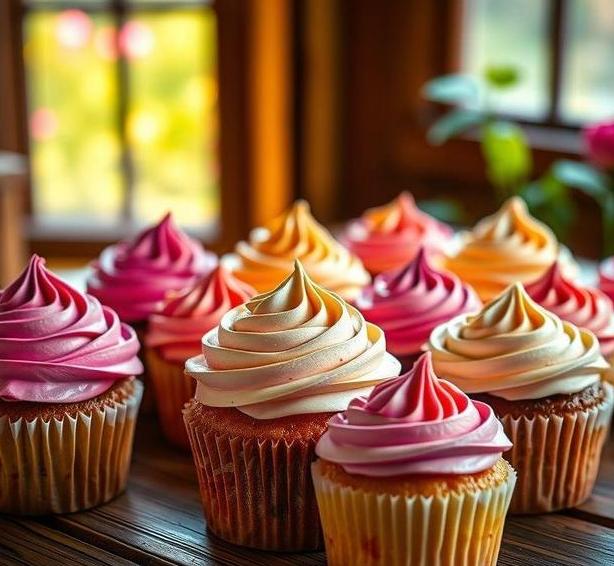
The shelf life of cupcakes depends on several factors, including their ingredients, storage conditions, and whether or not they contain any perishable fillings or frostings. Here’s a breakdown based on typical cupcakes:
Room Temperature
-
Basic Cupcakes (without Frosting Or Fillings)
- These can typically last about 2-3 days at room temperature. They should be stored in an airtight container to prevent them from drying out or absorbing moisture from the air.
-
Cupcakes With Frosting (but No Perishable Fillings)
- If your cupcakes are frosted but don’t contain fillings that require refrigeration (like buttercream or cream cheese frosting), they’ll generally last 2-3 days at room temperature as well. Again, store them in an airtight container away from direct sunlight or heat.
Refrigeration
-
Cupcakes With Perishable Frosting Or Fillings
- If you’ve topped your cupcakes with frosting made from perishable ingredients (like whipped cream, custard, or ganache), they should be kept in the refrigerator. These will last around 4-5 days when stored properly in a sealed container.
-
Refrigerated Cupcakes With Frosting & No Fillings
- Even if they don’t have fillings, it’s often better to refrigerate cupcakes with rich, butter-based frostings (like buttercream). These will generally last 4-5 days in the fridge.
Freezing Cupcakes
Common Signs Of Spoilage
Knowing the signs of spoilage is key to making sure you don’t end up with a stale, unpleasant cupcake. Here are some common indicators that it’s time to throw away your cupcakes:
Mold
- This is the most obvious and concerning sign. If you spot any green, blue, or white mold on the surface or inside the cupcake, it’s time to say goodbye. Mold can form quickly, especially if cupcakes are stored in a humid or moist environment.
Off Smell
- If your cupcake starts to develop an unpleasant or sour odor, it’s a strong indication that it’s spoiled. Cupcakes that have gone bad often give off a rancid, fermented smell, particularly if the fats (like butter) have begun to break down.
Changes In Texture
- Fresh cupcakes should be soft and moist. If they become excessively dry or crumbly, that’s a sign they’ve passed their prime.
- On the flip side, if they’re overly soggy or sticky (due to excess moisture or condensation), they’ve likely been stored improperly or have developed an issue with mold.
Discoloration
- If the frosting starts to discolor or you notice a significant change in the cupcake’s appearance-like yellowing frosting or a sticky, greasy texture-this is a warning sign. This could indicate that the cupcake has been exposed to air for too long or the ingredients have begun to degrade.
Strange Taste
- If the cupcake tastes off, sour, or overly sweet in an unnatural way, it’s probably time to toss it. Spoiled cupcakes might have a fermented or rancid taste due to the breakdown of fats or sugars.
How To Store Cupcakes?
Proper storage can make all the difference in preserving the quality of your cupcakes. Here’s a breakdown of the best practices for storing your cupcakes:
Room Temperature Storage
- Airtight Container: Always place your cupcakes in an airtight container to keep them fresh and prevent exposure to air. This helps avoid moisture loss or absorption.
- Cool, Dry Area: Store them in a cool, dry place away from direct sunlight, heat sources, or humidity.
- Avoid Plastic Wrap: While it’s tempting to wrap cupcakes in plastic, it can trap moisture and lead to sogginess or mold growth.
Refrigerating Cupcakes
- Sealed Container: If your cupcakes have perishable frosting (like whipped cream), always place them in an airtight container before refrigerating.
- Allow to Cool Completely: Make sure your cupcakes are fully cooled before putting them in the fridge to avoid condensation inside the container, which can cause sogginess.
- Separate Layers: If you’re storing multiple cupcakes, place parchment paper between the layers to prevent them from sticking together.
Freezing Cupcakes
- Unfrosted Cupcakes: To freeze cupcakes, wrap them tightly in plastic wrap, then place them in a freezer-safe bag or container. This protects them from freezer burn.
- Frosted Cupcakes: If you must freeze frosted cupcakes, chill them first to firm up the frosting, then wrap them tightly. Keep in mind that not all frostings freeze well (like whipped cream), so it’s better to freeze unfrosted and add frosting later.
- Thawing: When you’re ready to eat, thaw cupcakes at room temperature for a few hours. If they’ve been frosted, the frosting will soften and regain its original texture.
Expert Tips
- Batch Baking: If you often make cupcakes for events or gatherings, try baking in smaller batches. This ensures they’ll be fresh and you’ll have a steady supply, without worrying about leftover cupcakes going bad.
- Serve with Care: Cupcakes should be served at room temperature, so let them sit out for about 30 minutes before serving. Cold cupcakes tend to lose their flavor and moist texture.
- Frosting Matters: If you’re planning to keep cupcakes around for a while, go for a sturdier frosting, like buttercream, which holds up better at room temperature than whipped cream.
FAQs
Can Cupcakes Go Bad If Left Out Overnight?
Yes, cupcakes can go bad if left out overnight. Cupcakes that are frosted or contain dairy ingredients like cream cheese can spoil more quickly at room temperature. It’s best to store them in an airtight container to keep them fresh for longer.
How Long Do Cupcakes Last At Room Temperature?
Cupcakes typically last about 2 to 3 days at room temperature if stored properly in an airtight container. If they are frosted with perishable fillings, such as buttercream or cream cheese, they should ideally be consumed within 1 to 2 days.
Do Cupcakes With Buttercream Frosting Go Bad Faster?
Yes, cupcakes with buttercream frosting can go bad faster than those with dry frosting or no frosting at all. Butter and dairy products used in the frosting can spoil when left out for extended periods, so it’s best to refrigerate cupcakes with buttercream frosting if not eaten within a day or two.
Can Cupcakes Go Bad In The Fridge?
Cupcakes can last up to a week in the refrigerator when stored properly in an airtight container. Refrigerating cupcakes helps preserve their freshness and prevent bacterial growth, especially for those with perishable fillings or frosting.
How Can I Tell If A Cupcake Has Gone Bad?
Signs that a cupcake has gone bad include mold, a sour smell, or a change in texture (such as being overly dry or soggy). If the cupcake frosting is watery or has separated, it may also indicate that it’s no longer safe to eat.
Can Cupcakes Go Bad After Freezing?
Cupcakes can last up to 3 months in the freezer. However, after freezing, their texture may change slightly upon thawing, and frosting may become less smooth. It’s important to store cupcakes in an airtight container or freezer bag to prevent freezer burn.
How Should I Store Cupcakes To Prevent Them From Going Bad?
Store cupcakes in an airtight container at room temperature for short-term storage. For longer-term storage, refrigerate or freeze them, especially if they contain perishable fillings or frosting. Always ensure the cupcakes are completely cooled before storing them.
Can Cupcakes Go Bad If They Have Fruit In Them?
Yes, cupcakes containing fresh fruit, especially those with filling or toppings, are more susceptible to spoilage due to the moisture content in the fruit. It’s best to refrigerate or consume fruit-filled cupcakes within 1 to 2 days.
Can I Eat A Cupcake That Has Been Left Out For 4 Hours?
If the cupcake has been left out for 4 hours, it is generally safe to eat, but this depends on the ingredients. If the cupcake contains dairy-based frosting or fillings, it is safer to discard it if left at room temperature for too long, as bacteria could begin to grow.
Do Cupcakes Go Bad Faster With Frosting Or Without Frosting?
Cupcakes with frosting tend to go bad faster than those without frosting because frosting often contains dairy or butter, which can spoil quickly at room temperature. Cupcakes without frosting can last a bit longer at room temperature.