Fish is one of the most beloved and nutritious foods around the world. Its delicate texture, rich flavor, and versatility in cooking make it a staple in many cuisines. Whether you’re grilling, frying, or adding it to a stew, fish can turn an ordinary meal into something extraordinary. But here’s the thing-fish is perishable, and if it’s not stored or handled properly, it can go bad quickly.
In this guide, we’re diving deep into understanding how to tell if fish has gone bad, how to store it to keep it fresh longer, and the best practices to ensure you’re enjoying your seafood safely. From shelf life to the subtle signs of spoilage, we’ve got you covered.
Can Fish Go Bad?
Absolutely. Fish is one of the most delicate proteins out there when it comes to spoilage. Its high moisture content, combined with its delicate flesh, makes it a prime candidate for bacterial growth, especially when it’s not stored properly. Here’s why fish is so vulnerable to going bad:
- High moisture content: The more water in a food item, the faster bacteria can grow. Fish is about 80% water, which creates an ideal breeding ground for pathogens.
- Temperature sensitivity: Fish needs to be kept at very specific temperatures, and even a slight increase in heat can start the spoiling process. If fish is left out at room temperature for too long, it can go bad within a few hours.
- Type of fish: Lean fish (like cod or haddock) spoil faster than fatty fish (like salmon or mackerel) because the fats in the latter help preserve their quality for a bit longer.
The shelf life of fish varies significantly based on how fresh it is, how it’s been processed, and how you store it. But whether you’re dealing with fresh, frozen, or smoked fish, it’s critical to know when it’s time to toss it.
Shelf Life For Fish
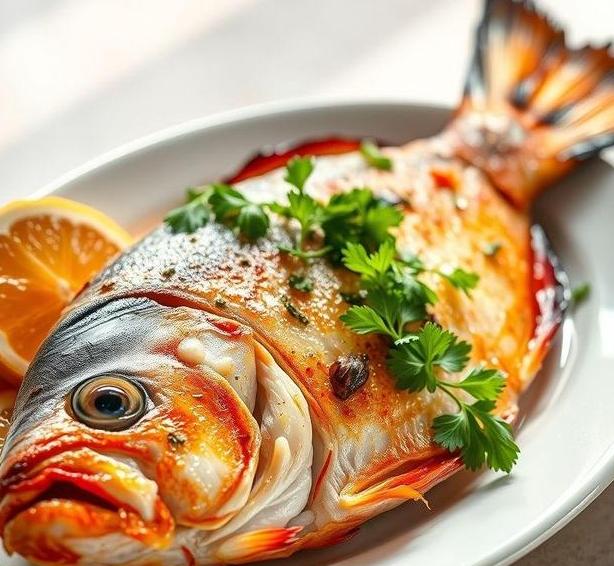
The shelf life of fish depends on a few critical factors: the freshness at the time of purchase, how it’s been handled, and the method of storage. Here’s a breakdown of how long fish lasts under different circumstances:
Fresh Fish (Uncooked)
- Refrigerated: Fresh fish, if properly stored in the fridge, can last 1-2 days. This is the most delicate category of fish, so it’s important to consume it as quickly as possible after purchase.
- Frozen: If you can’t eat it right away, freezing fresh fish can extend its shelf life significantly. It will typically last 3-6 months in the freezer, though it may lose flavor and texture over time. Some fish, like fatty salmon, can last even longer with proper packaging.
Smoked Fish
- Refrigerated: Smoked fish has a longer shelf life than fresh fish because the smoking process helps preserve it. If properly sealed, it can last 1-2 weeks in the fridge.
- Frozen: When frozen, smoked fish can last up to 6 months, but again, flavor and texture can degrade.
Canned Fish
- Unopened: Canned fish (like tuna, sardines, or salmon) can last for 2-5 years in your pantry. It’s typically labeled with a “best by” date, but as long as the can is intact and doesn’t show signs of rusting or bulging, it’s generally safe to eat for several years beyond that.
- Opened: Once opened, canned fish should be treated like fresh fish and stored in the fridge, where it will last 2-3 days.
Common Signs Of Spoilage
Fish is notoriously tricky when it comes to spoilage, so it’s important to know how to spot the signs. These changes can be subtle, but with a keen eye, you can tell when your fish is no longer good to eat:
- Smell: Fish has a naturally mild odor, but if it starts to smell ’fishy’ in a strong, sour, or ammonia-like way, it’s likely spoiled. Fresh fish should smell like the ocean-clean and briny, not overly pungent.
-
Appearance
- Eyes: The eyes should be clear, bulging slightly, and shiny. Cloudy or sunken eyes are a red flag.
- Flesh: Fresh fish should have firm, translucent flesh. If the flesh is discolored (grayish or yellow), mushy, or flaky, it’s a sign it’s past its prime.
- Skin: The skin should be shiny and moist. If it’s slimy, dry, or wrinkled, it’s a bad sign.
- Texture: Fresh fish has a firm texture and will spring back when you press it lightly with your finger. If it feels mushy or falls apart easily, it’s a sign that it’s spoiling.
- Sliminess: Fish that has developed a slimy texture is not just unappetizing, it’s an indication that bacteria have already started to break it down. A slight moisture on the surface is fine, but too much slime is not.
How To Store Fish?
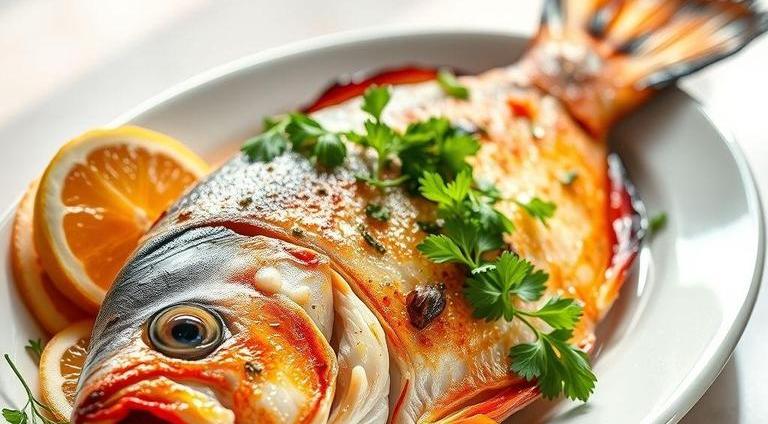
Proper storage is essential if you want your fish to stay fresh for as long as possible. There are a few key guidelines to keep in mind for both short-term and long-term storage:
Short-Term Storage (Refrigeration)
- Place fish in a shallow pan or dish: If you’re planning to eat it within a day or two, store your fish in a shallow container to ensure it stays well-ventilated.
- Cover it with ice: For extra freshness, place fish on a bed of crushed ice in a shallow pan. This helps maintain the cold temperature and keeps bacteria from multiplying.
- Use airtight packaging: If you don’t have ice, wrap the fish tightly in plastic wrap, aluminum foil, or use a vacuum-sealed bag. Make sure there’s no air touching the fish to prevent spoilage.
- Keep the fridge cold: Ensure your refrigerator is at or below 40°F (4°C). A refrigerator that’s too warm won’t preserve the freshness of the fish.
Long-Term Storage (Freezing)
- Wrap it tightly: When freezing fish, wrap it as tightly as possible in plastic wrap, then place it in a freezer bag or airtight container to prevent freezer burn.
- Use a vacuum sealer: This is the best way to store fish in the freezer. Vacuum-sealed fish can last months without losing too much flavor or texture.
- Label it: Always mark the date of freezing on the package to track how long it’s been in there.
Storing Smoked Or Canned Fish
- Smoked fish: Keep it in its original vacuum-sealed packaging or store it in an airtight container. Refrigerate it and consume it as quickly as possible after opening.
- Canned fish: Store unopened cans in a cool, dry place. Once opened, transfer any leftover fish to an airtight container and refrigerate.
Expert Tips
- Know the source: Always buy fish from a reputable source. Freshness is key when it comes to fish, so purchasing from a trusted fishmonger or market can make a huge difference in shelf life.
- Consider the type of fish: Fatty fish (like salmon, mackerel, or tuna) tend to last a little longer than lean fish (like cod or tilapia), due to the oils in their flesh.
- Don’t leave fish at room temperature: Fish should not sit at room temperature for more than 2 hours, or 1 hour if it’s above 90°F (32°C). Bacteria can multiply quickly, and the fish will spoil much faster.
- Freeze it before the “sell by” date: If you’re not planning to eat your fish right away, freezing it before the sell-by date can extend its shelf life significantly.
- Use ice when storing: If you’re buying fresh fish for a party or event and need to keep it fresh until you cook it, keep it on a large bed of ice and drain any excess water. This is especially helpful for shellfish and smaller fish.
FAQs
Can Fish Go Bad If Left At Room Temperature?
Yes, fish can go bad if left at room temperature for more than two hours. Bacteria multiply quickly at room temperature, causing the fish to spoil. If the temperature is above 90°F (32°C), this time is reduced to just one hour.
How Long Can Fish Stay Fresh In The Fridge?
Fresh fish can typically stay in the fridge for 1-2 days. It should be stored in the coldest part of the fridge, ideally at a temperature of 32°F (0°C), and kept in an airtight container or wrapped tightly in plastic or foil.
How Can You Tell If Fish Has Gone Bad?
To tell if fish has gone bad, check for a sour or ammonia-like smell, which is a sign of spoilage. The flesh should be firm to the touch and translucent, not slimy or discolored. The eyes should be clear and bulging, not sunken.
Can Frozen Fish Go Bad?
Yes, frozen fish can go bad, but it lasts much longer than fresh fish. If stored properly at a constant freezing temperature (0°F or -18°C), it can last 6-12 months. After this period, it may lose quality, but it is generally safe to eat as long as it has been stored without thawing or freezer burn.
What Happens If You Eat Spoiled Fish?
Eating spoiled fish can lead to food poisoning, commonly known as scombroid poisoning. Symptoms can include nausea, vomiting, diarrhea, headaches, and dizziness. In severe cases, it can lead to longer-term health issues. Always make sure to check fish for spoilage before eating.
Can Fish Go Bad If Stored In A Vacuum-sealed Bag?
Vacuum-sealing can extend the shelf life of fish by preventing exposure to air, which reduces oxidation and spoilage. However, fish can still go bad if not stored properly or if the vacuum-seal is broken. It’s important to store vacuum-sealed fish in the fridge or freezer.
How Long Does Cooked Fish Last In The Fridge?
Cooked fish typically lasts 3-4 days in the fridge when stored in an airtight container. If the fish was stored in a sauce or liquid, it may last slightly longer, but always check for signs of spoilage before consuming.
Can Fish Be Safe To Eat After Its ’use By’ Date?
The ’use by’ date on fish packaging is a guideline for optimal freshness. While the fish may still be safe to eat a day or two after this date, it’s important to check for signs of spoilage, such as bad odor, discoloration, or an off texture. If the fish smells or looks off, discard it.
How Should Fish Be Stored To Prevent It From Going Bad?
Fish should be stored in the coldest part of the fridge, ideally on a plate with ice, and covered with plastic wrap or in an airtight container. If freezing fish, ensure it’s tightly wrapped in plastic or vacuum-sealed to prevent freezer burn and spoilage.
Does The Type Of Fish Affect How Quickly It Goes Bad?
Yes, the type of fish can affect how quickly it goes bad. Oily fish like salmon and mackerel spoil faster than white fish like cod or haddock. Oily fish have higher fat content, which can break down and lead to a quicker decline in quality.