Garden peas, often seen as a staple in many households, are not just versatile but packed with essential nutrients, making them a favorite addition to meals. Whether you enjoy them fresh from the garden, frozen for convenience, or canned for longevity, the fact remains: garden peas are delicious and nutritious. However, as with most perishable items, the question arises: Can garden peas go bad?
Like many fresh foods, peas are subject to spoilage, but the signs and circumstances surrounding their decay can vary depending on how they’re stored, prepared, and the time that’s passed since they were harvested. In this detailed guide, we’ll walk you through everything you need to know about the shelf life of garden peas, how to tell when they’ve gone bad, and the best storage practices to keep them fresh for as long as possible. Ready to dive in? Let’s explore the world of garden peas!
Can Garden Peas Go Bad?
Yes, garden peas can definitely go bad! While fresh peas may seem like they’re sturdy and resilient, their tender nature makes them quite susceptible to spoilage once they’re harvested. Peas, like many other vegetables, contain moisture, and that moisture can promote the growth of bacteria and mold, especially when they’re not stored properly.
Factors That Contribute To Spoilage Include
- Exposure to air: When peas are exposed to oxygen, they begin to lose their freshness, color, and texture.
- Temperature: High temperatures or fluctuating temperatures (for instance, in the fridge door) can accelerate decay.
- Moisture levels: Too much moisture encourages mold and bacterial growth, while too little moisture leads to drying out.
- Time: Even the most carefully stored peas have a limited shelf life.
So, while they can last for a while in optimal conditions, they don’t last forever.
Shelf Life For Garden Peas
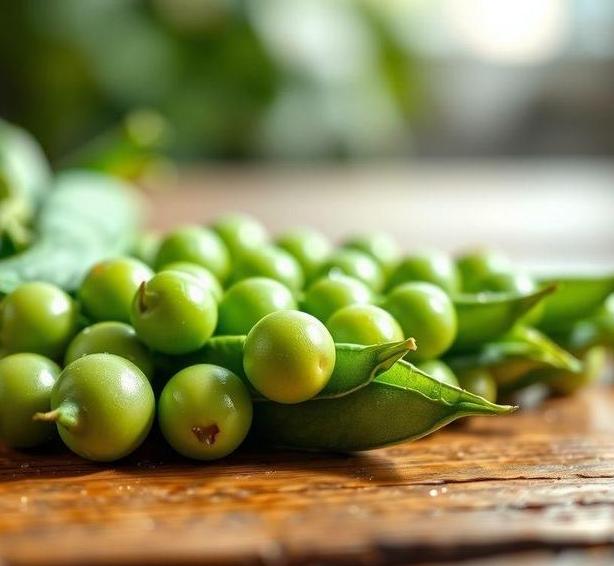
When it comes to shelf life, the freshness of garden peas depends on their form (fresh, frozen, or canned) and how they’re stored. Let’s break this down:
Fresh Garden Peas
-
Unrefrigerated (Room Temperature)
- Fresh peas left at room temperature will begin to deteriorate within 1 to 2 days. They can become soft, mushy, and start to ferment or mold. It’s best to eat them as soon as possible.
-
Refrigerated
- In the fridge, fresh peas can last for 3 to 5 days. However, the fresher they are when you purchase or pick them, the longer they’ll stay edible. Peas that have been harvested for several days will spoil more quickly.
Frozen Garden Peas
-
In The Freezer
- Frozen peas can last for 8 to 12 months in the freezer if stored properly. Freezing stops bacterial growth and helps preserve the nutritional value, but they do start to lose their flavor and texture after a while. They should be kept in an airtight container or freezer bag to prevent freezer burn.
Canned Garden Peas
-
Unopened Cans
- Canned peas, due to the high heat used in the canning process, have a much longer shelf life, typically around 1 to 2 years if stored in a cool, dark place. However, this can vary based on the quality of the can and the presence of preservatives.
-
Opened Cans
- Once opened, canned peas should be transferred to an airtight container and stored in the fridge. They’ll stay good for 3 to 4 days. The moisture and acidic content in the peas can lead to spoilage more quickly once exposed to air.
Common Signs Of Spoilage
How can you tell when garden peas have gone bad? Spoiled peas show distinct signs, both in appearance and smell. Here are the most common indicators:
-
Color Change
- Fresh peas are bright green, but over time, they’ll turn yellow or brown. If they’ve become discolored, it’s usually a sign that they’ve started to spoil.
-
Mushy Or Slimy Texture
- Fresh peas should be firm and crisp. If they’ve become squishy or slimy to the touch, it’s a clear sign they’ve gone bad.
-
Off Smell
- A sour, fermented, or musty smell is an immediate red flag. Fresh peas have a mild, pleasant scent, and if they start to smell anything like rotten food or vinegar, it’s best to discard them.
-
Mold Or Spots
- Mold growth, often white or grayish in appearance, is a surefire sign of spoilage. If you notice any fuzzy spots on your peas or in the pods, it’s best to throw them out.
-
Wrinkled Or Shriveled Pods
- If you’re dealing with peas still in their pods, shriveled, dry pods indicate that the peas inside are no longer fresh and are past their prime.
-
Slimy Liquid (for Frozen Or Canned Peas)
- If you see slimy or off-colored liquid in your frozen or canned peas, it’s time to toss them. This liquid could be a sign of bacterial contamination or aging.
How To Store Garden Peas?
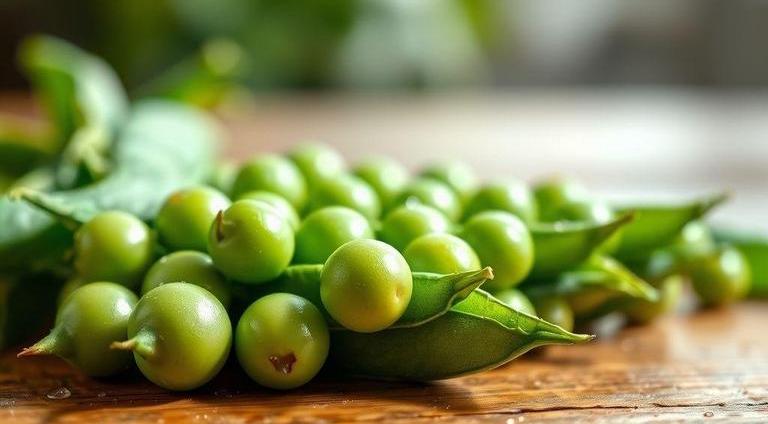
Proper storage is crucial if you want to keep your garden peas fresh and tasty for as long as possible. Here are some detailed tips on how to store fresh, frozen, and canned peas:
For Fresh Garden Peas
-
In The Refrigerator
- Keep fresh peas in a ventilated container or loosely wrapped in a paper towel inside a plastic bag. This allows airflow, preventing moisture buildup and preserving their crisp texture.
-
In The Freezer (for Longer Storage)
For Frozen Garden Peas
-
Proper Freezer Storage
- Keep frozen peas in a tightly sealed bag or container to avoid freezer burn. Label the bag with the date, so you know how long they’ve been in the freezer.
For Canned Garden Peas
-
Store In A Cool, Dark Place
- Canned peas should be kept in a cool, dark pantry away from direct sunlight and heat. Check the expiration date before using.
-
After Opening
- Once you’ve opened a can of peas, transfer any leftovers to an airtight container and refrigerate them promptly.
Expert Tips
- Don’t Overcook: Overcooking garden peas, whether fresh or frozen, can lead to mushiness and loss of flavor. Keep them crisp by cooking for no longer than 3-4 minutes.
- Opt for Frozen When In Doubt: If you can’t consume your fresh peas in time, freezing them is a great way to preserve their flavor and nutrients.
- Use Sealed Containers: When storing in the fridge or freezer, use air-tight containers or resealable bags to prevent exposure to air and moisture, which can lead to spoilage.
- Check Dates on Canned Peas: Although canned peas have a long shelf life, it’s always a good idea to check the expiration date before use to ensure freshness.
FAQs
Can Garden Peas Go Bad If Left Outside?
Yes, garden peas can spoil if left outside, especially in warm temperatures. Fresh peas should be kept cool and ideally refrigerated to maintain their freshness.
How Long Do Garden Peas Last In The Fridge?
Fresh garden peas typically last about 2 to 3 days in the fridge. To prolong their freshness, store them in a plastic bag or airtight container.
How Can You Tell If Garden Peas Have Gone Bad?
Signs that garden peas have gone bad include wilting, discoloration, a slimy texture, or an off odor. If the peas are mushy or shriveled, they may no longer be safe to eat.
Can Garden Peas Be Frozen To Extend Their Shelf Life?
Yes, garden peas can be frozen to extend their shelf life. Blanch them first by boiling for a couple of minutes, then cool and freeze them in airtight bags or containers for up to 6 to 8 months.
What Happens If You Eat Bad Garden Peas?
Eating bad garden peas can cause foodborne illness, leading to symptoms like stomach cramps, nausea, or vomiting. If they show signs of spoilage, it’s best to discard them.
Can Dried Garden Peas Go Bad?
Dried garden peas can go bad over time, especially if they are stored improperly. If they develop an off odor or show signs of mold, they should not be consumed.
Do Garden Peas Go Bad Faster Than Other Vegetables?
Yes, garden peas are more perishable than some other vegetables due to their high moisture content. They should be consumed quickly or properly stored to avoid spoilage.
Can I Store Garden Peas At Room Temperature?
It’s not recommended to store garden peas at room temperature for extended periods, as they spoil quickly. Fresh peas should ideally be kept in a cool place or refrigerated.
What’s The Best Way To Store Garden Peas For The Longest Shelf Life?
For the longest shelf life, fresh garden peas should be stored in the refrigerator in a perforated plastic bag or container. Freezing them is also an option for long-term storage.
Can Canned Garden Peas Go Bad?
Yes, canned garden peas can go bad if the can is damaged, swollen, or past its expiration date. Always check for signs of spoilage such as rust or leaks before consuming.