Lamb meat is a flavorful and versatile protein, prized in many cuisines around the world. Whether you’re making a hearty stew, grilling chops, or slow-roasting a leg of lamb, there’s no doubt that it brings a unique richness to the table. However, like all perishable foods, lamb meat has a shelf life, and knowing how to handle it properly can mean the difference between enjoying a delicious meal and potentially getting sick from spoiled meat.
This article will guide you through everything you need to know about lamb meat, including whether it can go bad, how long it lasts, how to spot signs of spoilage, and the best ways to store it to keep it fresh for as long as possible. By the end, you’ll be well-equipped to handle your lamb with care, keeping it safe to eat and maximizing its flavor and texture.
Can Lamb Meat Go Bad?
Yes, lamb meat can absolutely go bad, just like any other type of meat. In fact, because it’s a fresh product with a high water content and rich fat marbling, it’s particularly susceptible to bacterial growth, which can lead to foodborne illness if not stored properly. Lamb meat, whether it’s raw or cooked, should always be treated with care to avoid contamination and spoilage.
Some of the most common bacteria associated with spoiled lamb meat are Salmonella, E. coli, and Listeria. These microorganisms thrive in warm, moist environments, making lamb meat the perfect breeding ground if left at room temperature for too long.
Shelf Life For Lamb Meat
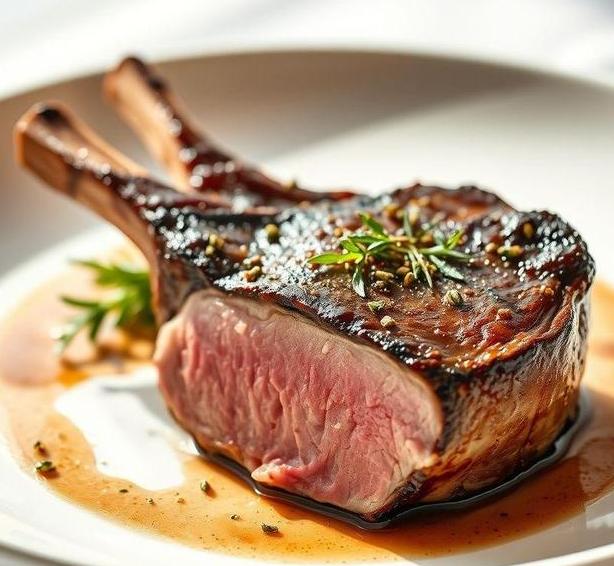
The shelf life of lamb meat varies depending on several factors, including how it’s stored, whether it’s cooked or raw, and its packaging. Here’s a quick breakdown of the typical shelf life for lamb in different states:
Raw Lamb Meat
- Refrigerated: If kept in the fridge at 40°F (4°C) or below, raw lamb meat will stay fresh for up to 3-5 days.
- Frozen: If you want to store lamb for a longer period, freezing it is the way to go. When properly wrapped in plastic or vacuum-sealed, lamb can last up to 6-9 months in the freezer without losing much quality. However, freezing doesn’t make it immune to bacterial growth-just slows it down significantly.
Cooked Lamb Meat
- Refrigerated: After cooking, lamb meat can be safely stored in the refrigerator for 3-4 days. It’s essential to cool the meat down quickly after cooking to prevent the growth of harmful bacteria.
- Frozen: Like raw lamb, cooked lamb can be frozen for longer storage, generally lasting up to 2-3 months. While it remains safe to eat for longer, the texture and flavor may deteriorate beyond that time.
Ground Lamb Meat
- Refrigerated: Ground lamb spoils faster than whole cuts due to its increased surface area. It’s best to use it within 1-2 days if refrigerated.
- Frozen: If you need to freeze it, ground lamb can be stored for 3-4 months.
Common Signs Of Spoilage
Knowing how to identify spoiled lamb meat can prevent you from eating something unsafe. There are a few key signs to look out for:
Change In Color
- Raw Lamb: Fresh lamb should be a bright red or pinkish color. Over time, it may darken slightly, but if it turns brown or gray, that’s a sign it’s starting to spoil. However, don’t rely on color alone-this can be misleading at times.
- Cooked Lamb: Cooked lamb typically starts out brown or gray after cooking, but if you see it turning a very dull, greenish-brown color, it’s a sign that spoilage has begun.
Off Or Sour Odor
- A sour, rancid, or “sicky” smell is one of the clearest indicators that lamb has gone bad. Fresh lamb should have a clean, almost sweet aroma. If it smells off, discard it immediately.
Slimy Or Sticky Texture
- Fresh lamb should feel firm and moist to the touch. If the surface feels slimy or sticky, it’s a strong indication that bacteria have begun to break down the proteins and fat in the meat.
Discoloration Or Excess Liquid
- Excessive liquid, especially if it’s a brownish or cloudy liquid, is another red flag. While some moisture is normal, a lot of liquid can indicate bacterial activity.
Unusual Taste
- If all other signs are unclear and you’re still unsure, tasting a small piece of the lamb can help (but don’t risk it if it smells bad). If the taste is sour or unpleasant, it’s definitely time to throw it out.
How To Store Lamb Meat?

Proper storage of lamb meat is crucial for extending its shelf life and maintaining its safety and quality. Here’s what you need to do:
Refrigeration
- Wrap It Properly: Always store raw lamb in an airtight container or securely wrapped in plastic wrap or aluminum foil to prevent cross-contamination with other foods and to reduce exposure to air, which can lead to spoilage.
- Keep it on the Bottom Shelf: For raw meat, store it on the bottom shelf of your fridge to prevent any juices from dripping onto other foods.
- Set the Right Temperature: Make sure your fridge is operating at a constant temperature of 40°F (4°C) or below.
Freezing
- Vacuum Sealing is Best: If you’re freezing lamb, vacuum sealing is the best option for maintaining quality. This method prevents freezer burn and keeps the meat fresher longer. If you don’t have a vacuum sealer, wrap it tightly in heavy-duty plastic wrap, then foil, or place it in a freezer-safe bag with all the air removed.
- Label and Date It: Always label your frozen lamb with the date it was packaged, so you can track how long it’s been stored.
Thawing
- Thaw in the Fridge: Never thaw lamb at room temperature. Instead, place it in the fridge for 24 hours to thaw safely. For faster thawing, you can use the defrost setting on your microwave, but it’s important to cook the meat immediately after doing so.
Leftover Storage
- After cooking, store any leftover lamb in an airtight container in the fridge. Make sure to eat it within 3-4 days. If you plan to keep it longer, freeze it in portions for easy future use.
Expert Tips
- Don’t Leave It Out: Never leave lamb meat at room temperature for more than 2 hours-this includes marinating or prepping. Bacteria can multiply rapidly in this time frame, and the meat may no longer be safe to eat.
- Check Your Packaging: If you buy lamb that’s already packaged in plastic from the store, ensure it’s tightly sealed and hasn’t been punctured. Also, check the sell-by or use-by date before purchasing.
- Don’t Overfreeze: While freezing is a great way to extend the shelf life of lamb, freezing it repeatedly can damage the texture and quality. Try to only freeze what you plan to use in the near future.
- Be Mindful of Smell and Texture: Always give lamb a sniff and a touch before cooking it. Sometimes, the texture can be a clear sign that it’s past its prime even before the smell starts to turn.
FAQs
How Long Does Lamb Meat Last In The Fridge?
Lamb meat can typically last for 3 to 5 days in the refrigerator if stored properly at or below 40°F (4°C). It should be kept in an airtight container or wrapped tightly in plastic wrap or aluminum foil.
Can Lamb Meat Go Bad If It’s Frozen?
Freezing lamb meat can extend its shelf life. When stored in an airtight package at 0°F (-18°C), it can last for 6 to 9 months without significant loss of quality. However, it is still safe to eat beyond this period, though the taste and texture may degrade.
How Can I Tell If Lamb Meat Has Gone Bad?
Signs that lamb meat has gone bad include an off or sour smell, a slimy texture, or a change in color (usually turning a grayish-brown). If it feels tacky or sticky to the touch, it may be spoiled.
Can Lamb Meat Go Bad After Cooking?
Cooked lamb meat can go bad if not stored properly. It should be refrigerated within two hours of cooking and can last for 3 to 4 days in the fridge. Always make sure it’s stored in an airtight container to prevent contamination.
Can Lamb Meat Go Bad At Room Temperature?
Yes, lamb meat can go bad at room temperature. It is not safe to leave lamb meat out for more than two hours (or one hour if the room temperature is above 90°F/32°C), as bacteria can grow rapidly, increasing the risk of foodborne illness.
What Should I Do If I Accidentally Left Lamb Meat Out Overnight?
If lamb meat has been left out at room temperature overnight, it’s best to discard it. Bacteria can multiply quickly in this time, making it unsafe to consume.
Does Lamb Meat Go Bad Faster Than Beef Or Pork?
Lamb meat does not spoil much faster than beef or pork if stored properly. However, it tends to have a more delicate texture and flavor, which can make it more prone to spoilage under improper conditions.
Can I Eat Lamb Meat If It’s A Little Brown?
If lamb meat has turned brown but has no off smell or slimy texture, it is generally safe to eat, though the taste and texture may not be as good. The browning is typically due to oxidation, not spoilage.
Is It Safe To Eat Lamb Meat That Has Been Frozen For A Long Time?
While lamb meat that has been frozen for a long time may still be safe to eat, its quality may be compromised. Over time, frozen lamb can develop freezer burn, which affects its taste and texture.
Can Lamb Meat Go Bad If It’s Vacuum Sealed?
Vacuum sealing lamb meat can help extend its shelf life by removing air and reducing the growth of bacteria. If kept in the freezer, vacuum-sealed lamb meat can last 6 to 9 months. In the refrigerator, it can last a few extra days compared to non-sealed meat.