Mashed potatoes-a creamy, fluffy comfort food that’s the centerpiece of many meals, from holiday dinners to weeknight suppers. But what happens when you have leftovers? It’s tempting to store them for later, but how long can mashed potatoes really last? Can they go bad? These are important questions to consider, especially since mashed potatoes are one of those dishes that seem to lose their charm if not stored properly.
In this guide, we’ll dive deep into the shelf life of mashed potatoes, how to tell if they’ve spoiled, and most importantly, how to store them correctly so they stay fresh and safe for as long as possible. Whether you’re dealing with a mountain of leftovers or planning to make a batch ahead of time, we’ve got all the details you need!
Can Mashed Potatoes Go Bad?
The simple answer is yes-mashed potatoes can definitely go bad. Like any cooked food, once mashed potatoes are exposed to air and left at room temperature for too long, they begin to break down and harbor bacteria that could make you sick.
Here’s the thing: mashed potatoes aren’t just potatoes, they’re a combination of ingredients-potatoes, butter, milk (or cream), salt, maybe garlic or cheese, and other flavorings. The moisture content, along with the dairy products, makes mashed potatoes especially vulnerable to spoilage.
Why Do They Spoil?
- Moisture content: Potatoes retain a lot of moisture after cooking. When mixed with milk and butter, the consistency is even wetter, which makes it easier for bacteria and mold to thrive if not stored properly.
- Dairy products: Milk, cream, and butter all have a relatively short shelf life on their own, so once incorporated into mashed potatoes, the clock starts ticking faster.
- Room temperature exposure: When left out at room temperature, mashed potatoes become an ideal breeding ground for harmful bacteria, especially in the temperature danger zone (40°F-140°F or 4°C-60°C).
So, while mashed potatoes might seem like they’re hearty enough to last forever, they’re actually a bit finicky when it comes to proper storage. Let’s dig deeper into how long they last and how you can maximize their freshness.
Shelf Life For Mashed Potatoes
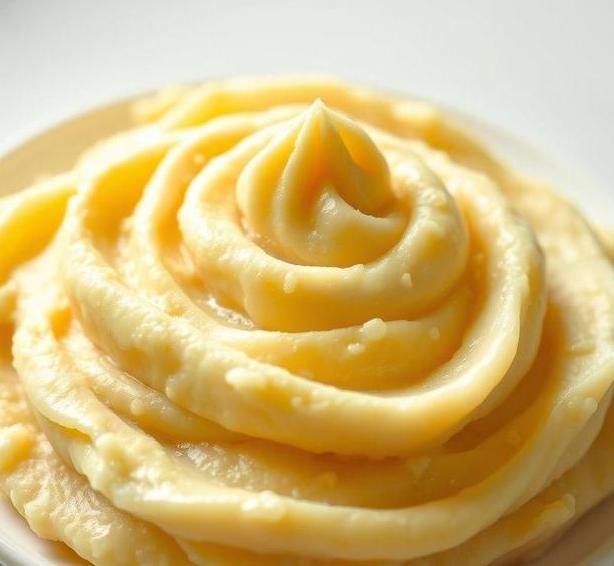
Mashed potatoes are best consumed within a short period of time after they’ve been made. Their shelf life largely depends on how they’re stored and whether they’ve been kept at the right temperature.
- At room temperature: Leftover mashed potatoes should not be left at room temperature for more than 2 hours. After that, they enter the “danger zone” where bacteria multiply quickly. If you accidentally leave them out too long, it’s best to throw them out.
- In the fridge: When stored properly in an airtight container, mashed potatoes can last 3 to 5 days in the refrigerator. The cooler temperature slows down bacterial growth, but it doesn’t stop it entirely. So, it’s still best to consume them within this timeframe.
- In the freezer: If you want to keep mashed potatoes for longer, freezing them is your best bet. Frozen mashed potatoes can last up to 10-12 months in the freezer. However, the texture may change slightly once they’ve been thawed, becoming a little grainy or watery. But with a good reheating technique, they’ll still taste delicious.
Common Signs Of Spoilage
Knowing when mashed potatoes have gone bad is key to avoiding foodborne illness. There are a few signs to watch out for:
- Off smells: Spoiled mashed potatoes may emit a sour or rancid smell, especially if the dairy ingredients have gone bad. This is often the first and most noticeable sign.
- Discoloration: If you notice a grayish, green, or yellowish tint to the potatoes, that’s a strong indicator of spoilage. Sometimes the surface may also look a little darker due to oxidation.
- Mold: Any mold growth on the surface (fuzzy white, green, or black spots) is an obvious red flag that your mashed potatoes should be tossed.
- Texture changes: Spoiled mashed potatoes may become watery, slimy, or overly dry and stiff. If you notice this after refrigeration, they’re likely past their prime.
- Taste: If you taste your mashed potatoes and they have a strange, sour, or off flavor, it’s time to discard them. Even small amounts of spoiled food can cause stomach discomfort or illness.
How To Store Mashed Potatoes?
Proper storage is the key to keeping mashed potatoes fresh and safe. Follow these steps to maximize their shelf life:
In The Fridge
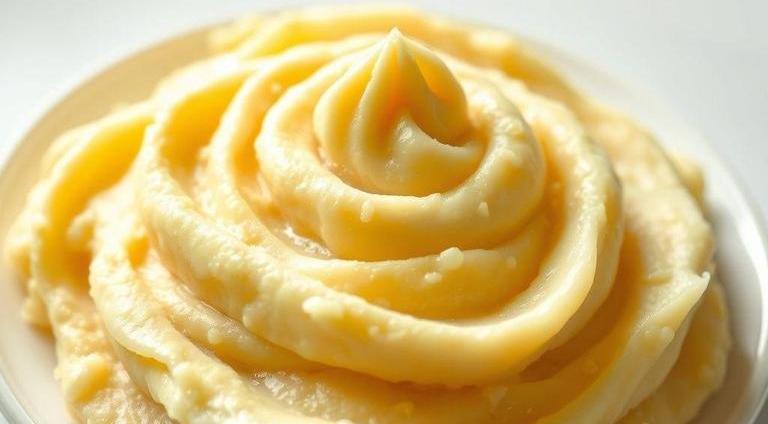
- Cool quickly: Before putting mashed potatoes in the fridge, allow them to cool down to room temperature (but don’t leave them out too long-no more than 2 hours). This prevents moisture from building up in the container, which could lead to faster spoilage.
- Airtight container: Store mashed potatoes in an airtight container or tightly sealed plastic wrap to prevent air from getting in, which helps reduce the chances of contamination.
- Label: If you have a lot of leftovers, label the container with the date you made them. This will help you keep track of how long they’ve been in the fridge and when it’s time to eat them.
- Reheat properly: When reheating mashed potatoes, make sure they’re heated to at least 165°F (74°C) to kill any potential bacteria that might have grown during storage. Adding a bit of milk or butter while reheating can also help restore the creamy texture.
In The Freezer
- Cool and portion: Like with refrigerating, you should let the mashed potatoes cool down first. Then, portion them into smaller servings to make thawing and reheating easier later.
- Freezer bags or containers: Store mashed potatoes in freezer-safe bags or airtight containers. Squeeze out as much air as possible from the bags to prevent freezer burn. Freezer bags are great because they can mold to the shape of the mashed potatoes and save space.
- Thaw slowly: When you’re ready to eat, thaw frozen mashed potatoes in the fridge overnight rather than at room temperature. This helps prevent the growth of harmful bacteria.
Expert Tips
To get the most out of your mashed potatoes, here are some tips from food safety experts and chefs:
- Avoid overmixing: When making mashed potatoes, try not to overmix them. Overworking the potatoes can release more starch, leading to a gluey, less desirable texture. This won’t necessarily affect the shelf life, but it can affect the quality of your leftovers.
- Use fresh ingredients: The fresher the milk, butter, and potatoes, the better your mashed potatoes will keep. If you use expired dairy or old potatoes, your mashed potatoes will have a much shorter shelf life.
- Don’t add too much liquid: Mashed potatoes that are too runny can go bad faster, as excess moisture encourages bacterial growth. Keep the consistency firm, but creamy.
- Use an airtight seal for freezing: If you freeze mashed potatoes, ensure the container is sealed tightly to prevent moisture loss or freezer burn. For an added layer of protection, you can wrap the mashed potatoes in plastic wrap before placing them in the freezer bag.
FAQs
Can Mashed Potatoes Go Bad If Left Out Overnight?
Yes, mashed potatoes can go bad if left out at room temperature for an extended period, typically over 2 hours. Bacteria grow quickly at room temperature, increasing the risk of foodborne illness.
How Long Can Mashed Potatoes Be Stored In The Fridge?
Mashed potatoes can typically be stored in the fridge for up to 3 to 5 days. It is best to store them in an airtight container to prevent contamination and preserve freshness.
Can Mashed Potatoes Spoil In The Freezer?
Mashed potatoes can be frozen for up to 10 to 12 months. However, freezing can affect their texture, making them a bit watery or grainy when reheated. To minimize this, add extra butter or cream before freezing.
What Are The Signs That Mashed Potatoes Have Gone Bad?
Signs that mashed potatoes have gone bad include a sour or off smell, discoloration, or the appearance of mold. If they have a slimy texture or taste off, they should be discarded.
Can You Eat Mashed Potatoes After The Expiration Date?
If mashed potatoes are stored properly in the fridge or freezer, they can still be safe to eat after the expiration date, but their quality may degrade. Always check for signs of spoilage like odor, texture, or taste before consuming.
How Can You Tell If Mashed Potatoes Are Still Good After Being Frozen?
To determine if frozen mashed potatoes are still good, check for any freezer burn, off smells, or significant texture changes. If reheating yields an unpleasant taste or consistency, they should be discarded.
Can Mashed Potatoes Go Bad In The Microwave?
Mashed potatoes do not go bad in the microwave, but if they are microwaved improperly or left at room temperature for too long, bacteria can still grow. Always reheat mashed potatoes thoroughly and consume them immediately.
What Should I Do If I Have Leftover Mashed Potatoes?
Leftover mashed potatoes should be cooled and refrigerated within 2 hours of cooking. Store them in an airtight container in the fridge to maintain freshness and consume them within 3 to 5 days.
Can Mashed Potatoes Go Bad If Reheated Multiple Times?
Reheating mashed potatoes multiple times is not recommended as it increases the risk of bacterial growth. It is safest to only reheat mashed potatoes once. If you have large leftovers, consider dividing them into smaller portions to reheat separately.
Can I Still Eat Mashed Potatoes If They Smell Sour?
If mashed potatoes smell sour, it is a strong indication that they have gone bad and should not be eaten. Sour odors are often a result of bacterial contamination, which can lead to foodborne illness.