Meatballs and sauce are comfort food staples that are adored by many. Whether you enjoy them on spaghetti, in a sub sandwich, or just served with a side of bread, there’s something about the rich flavors and tender texture that make them irresistible. But when it comes to storing leftovers or meal prepping for the week, the last thing you want is to end up with a bad batch. So, can meatballs and sauce go bad? And if they do, how can you tell when it’s time to toss them out?
The short answer is yes, meatballs and sauce can go bad, but how quickly they spoil and what factors contribute to their shelf life can vary. By understanding how to properly store and handle your meatballs and sauce, you’ll not only extend their freshness but also ensure they remain safe to eat.
In this post, we’ll dive deep into the topic, breaking down everything from shelf life to storage tips. By the end, you’ll feel confident in keeping your meatballs and sauce fresh for as long as possible, without compromising flavor or safety.
Can Meatballs And Sauce Go Bad?
Yes, like any cooked food, meatballs and sauce are perishable and can go bad. Bacteria thrive in food that’s left at room temperature for too long, and since meatballs are made with ground meat (which is particularly prone to bacterial growth), they require proper storage. The sauce, typically made from tomatoes, herbs, and oils, also needs proper care, as it can harbor bacteria if mishandled.
Several factors determine how quickly meatballs and sauce spoil, including:
- Storage temperature: If left out at room temperature, bacteria can multiply rapidly, causing spoilage within a few hours.
- Moisture content: Sauce often contains a high level of water, which can accelerate bacterial growth if not stored properly.
- Ingredients: The type of meat used in the meatballs (beef, pork, chicken, etc.) can affect spoilage, with ground beef being more susceptible to faster deterioration.
But don’t worry, just because they can go bad doesn’t mean they’re doomed after one day in the fridge. With the right practices, you can keep your meatballs and sauce safe and tasty for quite a while.
Shelf Life For Meatballs And Sauce
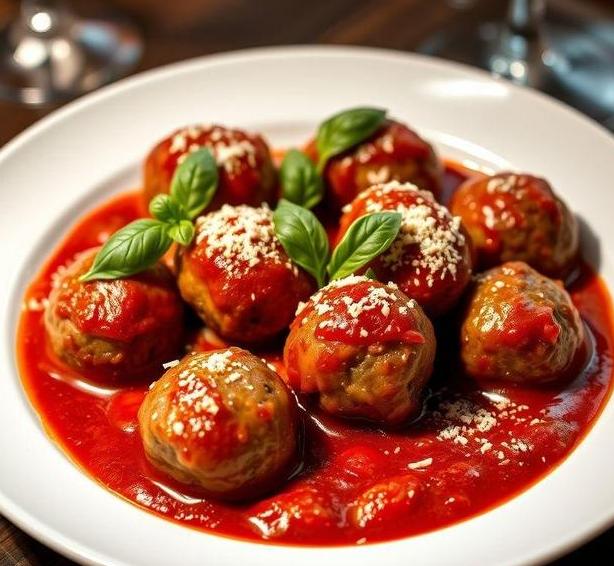
Knowing how long your meatballs and sauce can stay good is essential for minimizing waste and making sure you’re not eating something that’s gone off. Shelf life depends largely on how you store them, and whether they are cooked or uncooked.
-
Refrigeration (Cooked Meatballs & Sauce)
- Refrigerated: Meatballs and sauce should be stored in airtight containers in the fridge. Under these conditions, they typically last 3-4 days.
- Freezer: If you freeze them, you can extend their life significantly. Meatballs and sauce can last 3-4 months in the freezer, provided they’re stored in freezer-safe bags or containers.
-
Refrigeration (Uncooked Meatballs & Sauce)
- Uncooked meatballs can be refrigerated for about 1-2 days. However, if you’re not going to cook them within this time frame, freeze them instead. Uncooked sauce can last up to 5 days in the fridge before it starts to lose its flavor or spoil.
-
Canned Meatballs & Sauce (Store-Bought)
- These can last for months to a year if unopened, as they are typically sealed and pasteurized. Once opened, though, they should be treated the same as homemade and used within 3-4 days.
Common Signs Of Spoilage
Sometimes, you can’t rely just on the clock to tell you if your leftovers have gone bad. Visual and sensory cues are often more reliable indicators of spoilage. Here’s what to look out for:
- Smell: One of the most obvious signs that your meatballs and sauce are no longer good is a sour or off smell. Fresh meatballs and sauce should smell savory, not tangy or rancid.
- Color Changes: If you notice any discoloration, particularly in the sauce (like dark spots or a change in the bright red hue), it could indicate mold growth or oxidation. For meatballs, a grayish color or greenish tint may suggest spoilage.
- Texture: As the meatballs or sauce deteriorate, they may lose their original texture. Meatballs can become mushy or slimy, and sauce may separate or become overly watery. A slimy or sticky feel is a definite red flag.
- Mold: Small mold spots on the surface of the sauce or meatballs are a clear sign they should be thrown out. Don’t try to just scrape it off – mold can spread deeper into food than you can see.
- Taste: If the food passes all the previous checks but you’re still not sure, a small taste test can help. Spoiled meatballs or sauce will taste sour, rancid, or “off”.
How To Store Meatballs And Sauce?

Proper storage is key to extending the shelf life of meatballs and sauce. Here’s a step-by-step guide to keeping them fresh:
Storing In The Refrigerator
- Cool First: Before refrigerating, make sure both your meatballs and sauce have cooled down to room temperature. Placing hot food directly in the fridge can raise the overall temperature inside, creating conditions for bacteria to thrive.
- Use Airtight Containers: Store your meatballs and sauce in airtight containers. This helps preserve flavor and prevents moisture from seeping in. You can use plastic or glass containers, but make sure the lid fits tightly.
- Separate or Together?: It’s often a good idea to store the meatballs and sauce together, but if you prefer the texture of the meatballs to remain firmer, store them separately and combine when you reheat.
Freezing
- Portioning: When freezing, it’s best to portion out the meatballs and sauce into smaller servings so you only defrost what you need. This also helps preserve quality, as repeated freezing and thawing can affect taste and texture.
- Freezer Bags or Containers: For the best long-term storage, use freezer bags for meatballs and sauce, ensuring as much air as possible is removed before sealing. You can also use airtight freezer-safe containers.
- Label and Date: Always label your containers with the date so you know how long it’s been frozen. This is especially important if you’re storing multiple items in your freezer.
Expert Tips
- Reheating: When reheating meatballs and sauce, always make sure the internal temperature reaches 165°F (74°C) to ensure they’re hot enough to kill any potential bacteria. Use a thermometer for accuracy.
- Freeze Early: If you know you won’t be eating leftovers in the next couple of days, freeze them as soon as possible. The longer they sit in the fridge, the greater the chance they’ll spoil.
- Use Glass Containers for Sauce: Glass containers are excellent for storing sauces as they don’t retain odors or stain, unlike plastic. Plus, they’re microwave-safe if you prefer to reheat directly in the container.
- Avoid Double-Dipping: If you’re taking out a portion of your leftovers, avoid putting the same utensil back into the storage container. This can introduce bacteria that will shorten the food’s lifespan.
- Use Your Senses: Always check for signs of spoilage before reheating or eating. If anything seems off, err on the side of caution and throw it out.
FAQs
How Long Can Meatballs And Sauce Last In The Refrigerator?
Meatballs and sauce can typically last in the refrigerator for 3 to 4 days when stored in an airtight container. After this period, the quality and safety of the food may begin to deteriorate.
How Can I Tell If Meatballs And Sauce Have Gone Bad?
Signs that meatballs and sauce have gone bad include a sour or off smell, changes in color (such as greening or browning), and the presence of mold. If the texture has become slimy or the sauce has separated excessively, it may be spoiled.
Can Meatballs And Sauce Be Frozen?
Yes, meatballs and sauce can be frozen for up to 3 months. It’s important to cool the food completely before freezing and store it in an airtight container or heavy-duty freezer bag to prevent freezer burn.
Can I Reheat Meatballs And Sauce After They’ve Been Frozen?
Yes, you can reheat frozen meatballs and sauce. It’s best to defrost them in the refrigerator overnight before reheating on the stove or in the microwave. Be sure they reach an internal temperature of 165°F to ensure safety.
Does The Type Of Meat Affect How Quickly Meatballs And Sauce Spoil?
Yes, the type of meat can influence the shelf life. Ground meats like beef, pork, or chicken tend to spoil more quickly than whole cuts of meat. For example, meatballs made with chicken or pork may have a shorter shelf life compared to beef meatballs.
Is It Safe To Eat Meatballs And Sauce After They Have Been Left Out For A Few Hours?
No, meatballs and sauce should not be left at room temperature for more than 2 hours, as bacteria can multiply rapidly. If they have been left out longer, it is safer to discard them to avoid the risk of foodborne illness.
How Should Meatballs And Sauce Be Stored To Prevent Them From Going Bad?
To prevent meatballs and sauce from spoiling, store them in an airtight container in the refrigerator if consuming within a few days. For longer storage, freeze the dish after it has cooled completely.
Can I Store Meatballs And Sauce In The Same Container?
Yes, it’s perfectly fine to store meatballs and sauce in the same container as long as it is airtight. This helps preserve the flavor and moisture of both components.
Can Sauce Alone Go Bad Even If The Meatballs Are Still Good?
Yes, the sauce can go bad independently from the meatballs. If the sauce has been sitting for too long or has been exposed to air, it may spoil before the meatballs do, especially if it contains dairy or fresh vegetables.
How Long Can Meatballs And Sauce Sit In The Crockpot Before They Go Bad?
Meatballs and sauce should not sit in the crockpot on the ’warm’ setting for more than 2 hours. If they exceed this time, bacteria growth can occur, and the food could become unsafe to eat.