New England Clam Chowder, with its rich and creamy texture, has earned a cherished place in the hearts (and stomachs) of many. Originating in the northeastern United States, this hearty soup is a comfort food classic, often featuring tender clams, potatoes, onions, and celery, all swimming in a creamy, flavorful broth. But like all perishable foods, it’s essential to understand how to properly store it and recognize when it’s gone bad, especially considering the delicate nature of the ingredients involved.
Whether you’ve made a big pot of chowder at home, have leftovers from a restaurant, or bought a pre-packaged version, knowing the ins and outs of its shelf life, storage, and spoilage signs can save you from an unpleasant (and potentially unsafe) experience. So let’s dive into the nitty-gritty details, breaking down everything you need to know about keeping your clam chowder fresh and delicious for as long as possible.
Can New England Clam Chowder Go Bad?
Absolutely. Like any food made with dairy, seafood, and fresh vegetables, New England Clam Chowder is susceptible to spoilage over time. Due to the combination of cream or milk, along with fresh clams, the chowder needs to be handled carefully to avoid the growth of harmful bacteria or mold. Whether it’s left out too long, improperly stored, or simply kept past its prime, there are several ways New England Clam Chowder can go bad.
What makes chowder particularly tricky is its high moisture content, which, if not kept at the right temperature, creates a perfect breeding ground for bacteria. Furthermore, the creamy base is prone to separating or curdling when exposed to heat or stored incorrectly, making it less appetizing and possibly unsafe to eat. So, yes, New England Clam Chowder can spoil, and you’ll want to be aware of the tell-tale signs to prevent any food-related mishaps.
Shelf Life For New England Clam Chowder
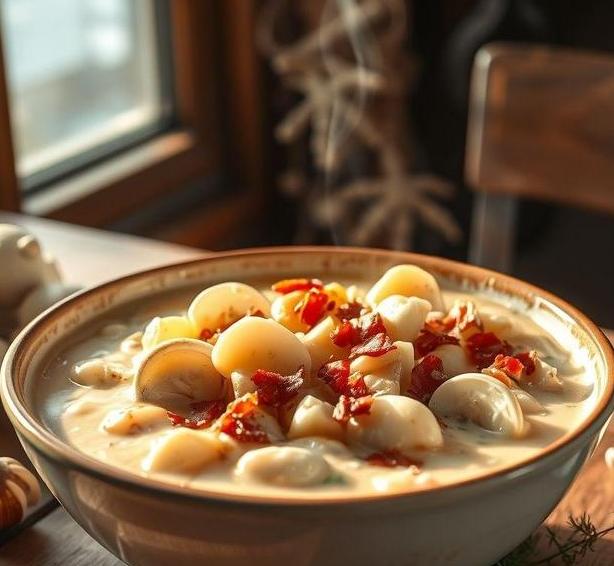
How long can you keep that delicious, creamy bowl of chowder before it starts going downhill? Well, it depends on several factors: how it’s stored, whether it’s homemade or store-bought, and whether it’s opened or unopened. Here’s a general guideline to help you understand the typical shelf life:
Homemade New England Clam Chowder
Store-Bought New England Clam Chowder (Unopened)
Opened Store-Bought Clam Chowder
Common Signs Of Spoilage
While New England Clam Chowder has a delightful texture when fresh, there are several clear signs that indicate it’s no longer safe to consume. Let’s break down the most common signs of spoilage you should look out for:
Off Or Sour Smell
- If your chowder starts to emit a sour or off-putting odor, it’s a clear sign that it’s gone bad. The dairy components in the soup, especially cream and milk, can sour over time, leading to an unpleasant, rancid smell. The seafood in the chowder may also develop a strong, fishy odor as it spoils.
Discoloration Or Mold
- If you see any discoloration, particularly a greenish or grayish tint, or notice any mold growing on the surface, that’s a red flag. Mold can form on dairy products and other organic materials when they’re left out for too long, and it’s not something you want to consume. Even a small patch of mold is enough to render the entire dish unsafe.
Curdling Or Separation
- When clam chowder separates, with the creamy broth breaking apart and the solid ingredients floating separately, it could be a sign that the chowder has spoiled. Though some separation is normal when chowder is stored in the fridge, significant curdling or clumping together indicates that the soup has passed its prime.
Changes In Texture Or Consistency
- Fresh clam chowder should have a smooth, velvety consistency. If it becomes overly thick, slimy, or watery, it’s a sign that the ingredients are starting to break down. Changes in texture can be an indicator that bacterial growth has begun.
Off Taste
- If your chowder tastes off-sour, overly fishy, or just unpleasant-don’t eat it. The taste can be a big indicator that it’s no longer safe to consume, and it’s better to be safe than sorry.
How To Store New England Clam Chowder?
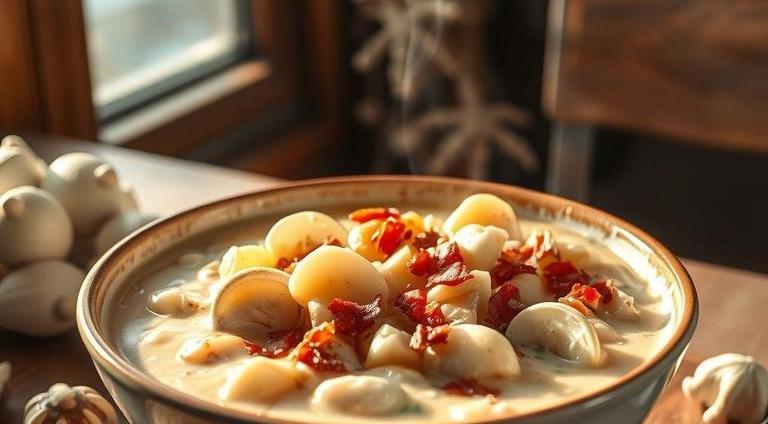
Proper storage is key to ensuring that your clam chowder stays fresh for as long as possible. Here are the best ways to store it, whether it’s homemade or store-bought:
For Homemade Clam Chowder
- Refrigerate Promptly: Always store your homemade chowder in an airtight container and place it in the fridge as soon as it’s cool enough. Don’t leave it sitting out at room temperature for more than two hours.
- Freeze for Long-Term Storage: If you have leftovers, freezing them is the best option for extending the shelf life. Let the chowder cool completely before transferring it to a freezer-safe container. Label it with the date so you know when it was frozen.
- Reheat Gently: When reheating leftover chowder, do so gently over low heat. Avoid boiling it, as this can cause the cream to curdle or the texture to change.
For Store-Bought Clam Chowder
- Unopened Packages: Store canned or packaged chowder in a cool, dry pantry until ready to use. Make sure the package is intact and undamaged.
- Opened Packages: Once opened, store the chowder in an airtight container in the fridge. Consume it within 3 to 4 days. If you’ve opened a carton, pour any leftovers into a sealed container for better preservation.
- Frozen Clam Chowder: If you bought frozen chowder, store it in the freezer until you’re ready to eat. Follow the “best by” date on the packaging and be mindful of freezer burn. To thaw, place it in the fridge overnight or use the stovetop for quick reheating.
Expert Tips
Here are a few extra expert tips to help you keep your chowder fresh and prevent it from spoiling too soon:
- Don’t Leave it Out: After serving your chowder, don’t leave it out at room temperature for more than two hours. This can cause harmful bacteria to grow, making the soup unsafe to eat.
- Use Fresh Ingredients: The fresher the clams and vegetables, the longer your chowder will last. Use fresh clams (if you’re making it from scratch) and avoid using dairy that’s close to its expiration date.
- Avoid Repeated Heating and Cooling: Each time you reheat the chowder, it’s exposed to new temperature fluctuations, which can speed up the spoiling process. Only reheat the portion you intend to eat, and avoid reheating multiple times.
- Add Dairy Last: If you plan to freeze your chowder, it’s a good idea to leave the cream or milk out and add it after thawing and reheating. This will prevent the cream from separating or curdling.
FAQs
How Long Can New England Clam Chowder Last In The Fridge?
New England clam chowder can typically last for 3-4 days in the fridge if stored properly in an airtight container. After this time, the quality and safety may decline.
Can New England Clam Chowder Go Bad If Left Out Overnight?
Yes, New England clam chowder can go bad if left out overnight. Perishable foods should not be left at room temperature for more than 2 hours, as bacteria can grow rapidly.
How Can I Tell If My New England Clam Chowder Has Gone Bad?
Signs that New England clam chowder has gone bad include a sour smell, discoloration, mold growth, or a change in texture. If it has an off taste or you notice any of these signs, it is best to discard it.
Can I Freeze New England Clam Chowder To Extend Its Shelf Life?
Yes, you can freeze New England clam chowder to extend its shelf life. Properly stored in an airtight container or freezer bag, it can last for 2-3 months in the freezer.
Does New England Clam Chowder Go Bad If It’s Reheated Multiple Times?
Reheating New England clam chowder multiple times can decrease its quality and potentially cause it to go bad faster. Each time it’s reheated and cooled, there’s a greater risk of bacterial growth.
Can Canned New England Clam Chowder Go Bad?
Yes, canned New England clam chowder can go bad. While canned soups can last for several years if unopened, once the can is damaged, rusted, or the expiration date has passed, the chowder inside can spoil.
How Should New England Clam Chowder Be Stored To Prevent It From Going Bad?
To prevent New England clam chowder from going bad, store it in an airtight container in the fridge. If you’re not consuming it within a few days, freezing is a good option.
Can New England Clam Chowder Go Bad If It’s Past Its Sell-by Date?
New England clam chowder can still be safe to eat for some time after its sell-by date, but it may lose flavor or quality. Always inspect for signs of spoilage such as off odors, changes in texture, or visible mold.
What Is The Best Way To Reheat New England Clam Chowder?
The best way to reheat New England clam chowder is gently on the stove over low heat, stirring occasionally. Alternatively, it can be reheated in the microwave, but make sure to stir halfway through to ensure even heating.
Can New England Clam Chowder Cause Food Poisoning?
Yes, if New England clam chowder has gone bad due to improper storage or if it has been contaminated, it can cause food poisoning. Symptoms may include nausea, vomiting, and diarrhea.