Roasted chicken is a beloved dish around the world. Whether it’s the centerpiece of a Sunday family meal, a weeknight dinner, or a go-to for leftovers, it’s tasty, versatile, and easy to prepare. But, like all food, roasted chicken doesn’t last forever. So, the question is: Can roasted chicken go bad? And how can you make sure you’re eating it at its freshest and safest? Let’s dive in and explore the ins and outs of storing roasted chicken, its shelf life, and how to spot when it’s no longer safe to eat.
Can Roasted Chicken Go Bad?
Yes, roasted chicken can go bad. Just like any other cooked food, it is susceptible to bacteria, mold, and spoilage. The main thing that makes roasted chicken potentially dangerous to eat over time is the presence of moisture, fat, and protein, which creates a perfect environment for harmful bacteria, like Salmonella or Campylobacter, to grow.
When roasted chicken is left out at room temperature for too long or stored improperly, these bacteria can multiply rapidly, leading to foodborne illness. Even though roasting kills many bacteria initially, proper handling and storage afterward are crucial to prevent any potential health risks.
So, while roasted chicken can be delicious and safe when fresh, it definitely has its time limit. The key is knowing how to store it, how long it lasts, and how to tell when it’s time to toss it.
Shelf Life For Roasted Chicken
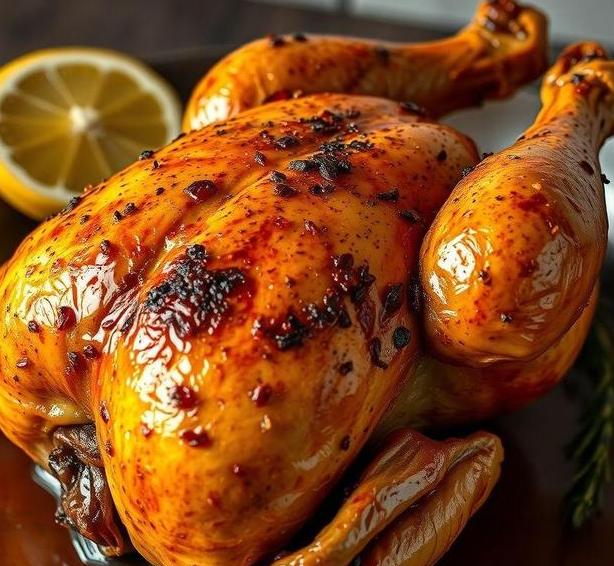
The shelf life of roasted chicken depends on several factors, including how it’s stored, the temperature it’s kept at, and whether it’s whole or in pieces.
- In the refrigerator: If stored properly in an airtight container or tightly wrapped in plastic wrap, roasted chicken typically lasts 3-4 days. This is the general guideline, but it can vary depending on how fresh the chicken was when it was first cooked and how long it sat out before refrigeration.
- In the freezer: Freezing roasted chicken extends its shelf life considerably. If you’ve wrapped it tightly in aluminum foil or placed it in a freezer-safe bag, it can last up to 4 months in the freezer. However, for the best taste and texture, it’s a good idea to consume frozen roasted chicken within the first 2-3 months.
Common Signs Of Spoilage
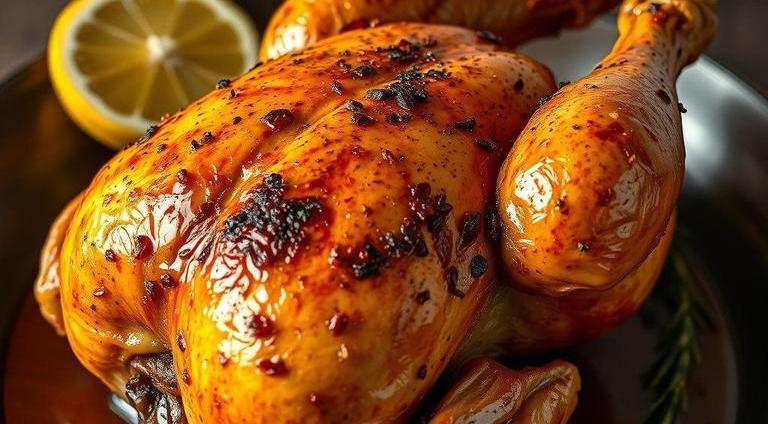
It’s easy to think that food will just suddenly "go bad," but spoilage is a gradual process. Here are the common signs that your roasted chicken has gone from safe to unsafe:
- Smell: The most obvious sign of spoilage is a sour or rancid odor. If your chicken smells off, chances are it’s no longer good to eat. The longer the chicken has been stored improperly, the stronger the unpleasant odor will become.
-
Appearance: Fresh roasted chicken should have a moist, golden-brown exterior. As it starts to spoil, you might notice the skin darkening, becoming slimy, or developing an unusual discoloration like green or gray spots.
- If the chicken was stored for an extended period, you may also see the development of mold. Any visible mold or fuzzy spots on the meat itself are a red flag.
- Texture: Fresh roasted chicken has a tender and juicy texture. Spoiled chicken, however, will become slimy, dry, and tough. If it feels sticky to the touch, that’s a clear sign it’s past its prime.
- Taste: If you get all the way to the taste test and find that the chicken tastes sour, bitter, or just off in any way, you should discard it immediately.
How To Store Roasted Chicken?
Storing roasted chicken properly is one of the most important steps in making sure it stays safe to eat. Here’s how to do it the right way:
- Cool it down quickly: After roasting your chicken, it’s crucial to let it cool down at room temperature for no more than 2 hours. Leaving it out too long can promote bacteria growth. If the room temperature is warmer (above 90°F or 32°C), reduce this time to just 1 hour. After that, it’s time to refrigerate or freeze it.
- Wrap it tightly: To prevent moisture loss and protect it from air exposure, wrap your roasted chicken tightly in plastic wrap, aluminum foil, or place it in an airtight container. If you plan on freezing it, it’s even better to double-wrap it for added protection from freezer burn.
- Separate the meat: If you don’t plan to eat the entire roasted chicken within a couple of days, it’s a good idea to remove the meat from the bones and store it separately in smaller portions. This allows for quicker cooling and even easier reheating when you’re ready to enjoy it again.
- Label and date: Whether you’re storing your roasted chicken in the fridge or freezer, labeling the containers with the date helps you keep track of how long it’s been stored. This ensures you won’t accidentally eat it after it’s gone past its safe date.
Expert Tips For Safe Storage
Here are some expert storage tips to maximize the shelf life of your roasted chicken and keep it safe:
- Avoid leaving it out: Chicken should never be left out of the refrigerator for extended periods. As tempting as it may be to let it cool down on the counter, do so quickly to avoid bacteria growth.
- Use a thermometer: If you’re uncertain about the safety of your chicken, use a food thermometer to check the temperature. Fresh roasted chicken should be stored at or below 40°F (4°C) in the fridge, and 0°F (-18°C) in the freezer.
- Don’t reheat more than once: Each time you reheat chicken, bacteria has another opportunity to grow. To minimize this risk, only reheat what you plan to eat in one sitting.
- Store with sauces separately: If you’ve roasted your chicken with a sauce or gravy, it’s better to store the sauce separately. The added moisture from the sauce can shorten the shelf life of the chicken, especially if you plan on freezing it.
FAQs
How Long Can Roasted Chicken Last In The Fridge?
Roasted chicken can last in the refrigerator for 3 to 4 days when stored properly in an airtight container or wrapped tightly in plastic wrap or foil.
Can Roasted Chicken Go Bad If Left Out Overnight?
Yes, roasted chicken should not be left out at room temperature for more than 2 hours, as bacteria can grow rapidly and increase the risk of foodborne illness.
How Can You Tell If Roasted Chicken Has Gone Bad?
Signs that roasted chicken has gone bad include an off or sour smell, slimy texture, discoloration, and an overly dry or mushy appearance.
Can You Eat Roasted Chicken After A Week?
It is not recommended to eat roasted chicken after a week, even if it’s stored properly in the fridge, as it may no longer be safe due to bacterial growth.
How Can You Store Roasted Chicken To Prevent It From Going Bad?
To prevent roasted chicken from going bad, store it in an airtight container or wrap it tightly with plastic wrap or aluminum foil. Refrigerate it promptly after eating to minimize bacterial growth.
Can You Freeze Roasted Chicken To Extend Its Shelf Life?
Yes, you can freeze roasted chicken to extend its shelf life. Properly stored in an airtight container or freezer bag, it can last up to 4 months in the freezer.
How Can You Reheat Roasted Chicken Safely?
To reheat roasted chicken safely, use a food thermometer to ensure it reaches an internal temperature of 165°F (74°C). Reheat only once to avoid potential bacterial growth.
What Happens If You Eat Bad Roasted Chicken?
Eating bad roasted chicken can lead to food poisoning, with symptoms such as nausea, vomiting, diarrhea, stomach cramps, and fever due to bacterial contamination like Salmonella or Campylobacter.
Can You Tell If Roasted Chicken Is Bad By Taste?
While taste might be an indicator, it’s not a reliable way to judge if roasted chicken is bad. It’s safer to check for other signs like smell, texture, and color changes before consuming it.
Is It Safe To Eat Roasted Chicken That’s Past Its Expiration Date?
No, it’s not safe to eat roasted chicken past its expiration date, especially if it has been stored improperly or for too long. Always check for signs of spoilage before consuming.