Slushies – they’re the perfect blend of cold, icy goodness and vibrant flavor that makes them the ultimate refreshment, whether you’re lounging on a hot summer day or just craving a quick, delicious treat. From the classic icy texture to the sweet burst of flavor that dances on your tongue, slushies have earned their place as a go-to snack or drink in many people’s routines. But, as with any consumable item, it’s important to think about their longevity. Does your slushie have an expiration date? Can it go bad, like some of your favorite foods? If you’re a slushie enthusiast who enjoys making or buying them in bulk, these are the kinds of questions that pop up.
Let’s dive into the details of slushies, and how you can enjoy them at their freshest without risking any unpleasant surprises.
Can Slushie Go Bad?
Yes, slushies can go bad. As much as they are a fun, carefree treat, they are still a food product, which means they’re subject to spoilage over time. Slushies are made up of ice, sugary syrup, and sometimes even dairy or fruit-based additives. These ingredients are not immune to spoilage, and their shelf life is affected by several factors such as:
- Ingredients used: Dairy, in particular, is prone to spoilage.
- Temperature: If slushies are not kept at the correct freezing or refrigeration temperature, they can melt and begin to degrade.
- Storage conditions: Exposure to air, improper sealing, or contamination can accelerate the spoilage process.
But it’s not all bad news. The good news is that slushies tend to last a little longer than you might expect if stored properly. You just have to know how to spot the signs of spoilage and store them the right way.
Shelf Life For Slushie
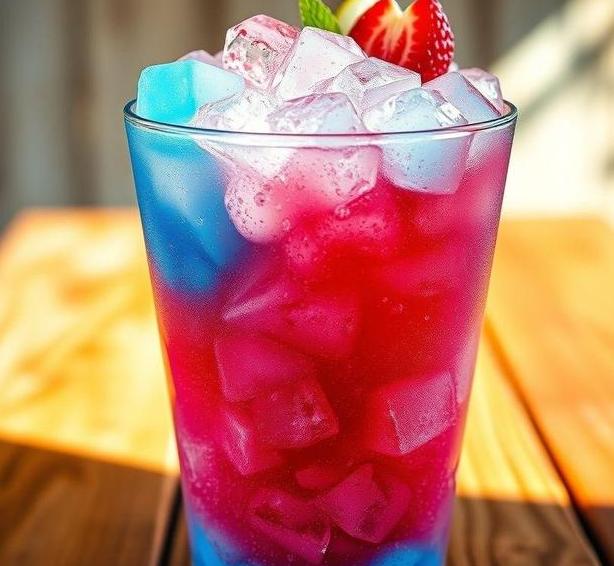
The shelf life of a slushie depends largely on whether it’s homemade or purchased from a store, and how it’s stored. Here’s a breakdown of what to expect in terms of longevity:
Homemade Slushie
- Freezer: When properly stored in a sealed container in the freezer, a homemade slushie can last 3 to 4 weeks. After that, the texture and taste will start to degrade.
- Fridge: If you store it in the fridge, a slushie can last for 1 to 2 days before the ice melts and it starts to lose its slushy consistency, turning into a watered-down drink.
Store-bought Slushie
- Unopened Slushie Cups: If you’ve purchased a slushie in a sealed cup or container and it hasn’t been opened, you can store it in the freezer for up to 1-2 months. After that, it’s best to check for signs of spoilage.
- Opened Slushie: Once opened, store-bought slushies should be consumed within 1-2 days if kept in the refrigerator, or within a few hours if left out at room temperature.
Common Signs Of Spoilage
Spoiling slushies might not always be obvious at first, especially if you’re dealing with one that’s been stored for a while. However, there are a few telltale signs to watch for when determining whether your slushie is still good to consume:
Changes In Texture
- The texture of a slushie is what makes it so refreshing. If the slushie has become too watery or loses its slushy consistency, it’s likely starting to spoil.
- Crystals of ice may form in a previously smooth slushie, indicating that it’s been improperly stored or defrosted.
Off Smell
- Any sour, rancid, or off smells coming from your slushie are a sure sign of spoilage, particularly if there’s dairy in the recipe.
- If it’s a fruit-based slushie, an overripe or fermented odor can indicate that the fruit components have begun to ferment.
Discoloration
- A slushie that turns a murky, dark, or off color should be discarded. This could be a sign that the fruit or syrup has oxidized or started to ferment.
- If you notice that the bright, vibrant color has faded, it might be past its prime.
Unusual Taste
- If the flavor seems different-like sour, off, or bland-it’s time to throw it out. This is often a result of the natural breakdown of sugars, fruits, or any additives in the slushie.
Separation
- If your slushie separates into layers where the liquid sits at the bottom and the ice is floating at the top, it might still be safe to drink but likely won’t have the original refreshing texture anymore.
How To Store Slushie?
Proper storage is key to extending the life of your slushie and maintaining its quality. Whether homemade or store-bought, here are some tips on how to store your slushie for the best taste and texture:
Freezing For Long-Term Storage
- The freezer is your best friend when it comes to preserving slushies. If you want to keep your slushie for more than a couple of days, store it in an airtight, freezer-safe container.
- Avoid overfilling the container: Leave a little space at the top of the container to allow for expansion as the liquid freezes.
- Avoid the freezer door: Storing your slushie in the freezer door can lead to temperature fluctuations. Instead, store it at the back of the freezer where the temperature remains steady.
Refrigeration For Short-Term Use
- If you’ve made a slushie and plan to consume it within 1-2 days, you can store it in the refrigerator. Make sure to cover it tightly to prevent contamination or flavor absorption from other items in the fridge.
- If the slushie starts to lose its texture in the fridge, you can always mix it up or add a bit of fresh ice to bring it back to life.
Keep It Sealed
- Proper sealing is essential for preventing air from getting in, which can lead to freezer burn or spoilage.
- For store-bought slushies, always re-seal the lid tightly after opening to maintain quality.
Avoid Refreezing Once Melted
- If your slushie has melted, it’s best to consume it immediately or store it in the fridge for up to a day. Refreezing melted slushie will drastically alter the texture and make it less enjoyable.
Expert Tips
- Ice Maker Considerations: If you’re using an ice maker to prepare your slushie, be sure to clean it regularly. Old ice can pick up odors from the machine, and this will transfer to your slushie.
- Add Fresh Ingredients: To extend the shelf life of a homemade slushie, add fresh fruits like berries or citrus to the recipe. This not only enhances the flavor but can also naturally preserve the drink for longer periods when stored properly.
- Flavor Varieties: If you love making different flavored slushies, consider making small batches and freezing them in single-serving containers. This way, you can take one out at a time without having to defrost an entire batch.
- Experiment with Alcohol: If you want to make a slushie that will last longer, you can experiment by adding alcohol, which acts as a preservative. While this won’t drastically extend its life, it can help retain the slushie’s consistency for a little longer.
FAQs
Can Slushie Go Bad If Left Out Overnight?
Yes, slushies can go bad if left out overnight. The sugar and flavors in the slushie can ferment, leading to a sour or off taste. Additionally, the ice can melt, creating a watery mixture that is no longer safe to consume.
How Long Can Slushies Be Stored In The Fridge?
Slushies can typically be stored in the fridge for up to 24-48 hours. However, the texture may change as the ice continues to melt and refreeze, causing the slushie to lose its slushy consistency.
What Happens If A Slushie Is Frozen For Too Long?
If a slushie is frozen for an extended period, it may become too hard to consume, turning into a solid block of ice. Over time, the flavor can also degrade due to freezer burn, which affects the taste and texture.
Can Slushies Spoil In The Freezer?
While freezing prevents slushies from spoiling immediately, long-term storage in the freezer may cause changes in texture and flavor. Ice crystals may form, leading to a less enjoyable experience when thawed.
Can Slushies Go Bad In Hot Weather?
Yes, slushies can go bad in hot weather, especially if they are exposed to direct sunlight or left outside for long periods. High temperatures can cause the slushie to melt, which increases the risk of bacterial growth if not consumed quickly.
How Can I Tell If A Slushie Has Gone Bad?
A slushie that has gone bad may have a change in appearance, texture, or smell. If the slushie has developed an off or sour odor, appears discolored, or has a slimy texture, it’s best to discard it.
Do Homemade Slushies Spoil Faster Than Store-bought Ones?
Yes, homemade slushies typically spoil faster than store-bought ones because they lack preservatives that are often added to commercial products. The absence of preservatives increases the likelihood of bacterial growth and flavor deterioration.
Can Slushies Be Made Safe To Drink After They Melt?
Once a slushie has melted, it may still be safe to drink if it has been stored properly and has not been left out for more than two hours. However, the texture and flavor will likely be compromised, and it may taste watered down.
How Can I Prevent A Slushie From Going Bad?
To prevent a slushie from going bad, store it in an airtight container in the fridge if it needs to be kept for a short time. If freezing, ensure it’s tightly sealed to avoid freezer burn. Always consume slushies within 24 hours for the best experience.
Is It Safe To Drink A Slushie After It’s Been Sitting Out For A Day?
It’s not recommended to drink a slushie that has been sitting out for a day. Bacteria can multiply in the sugary liquid, especially in warm conditions, which can pose a risk to health. Always refrigerate or freeze slushies to maintain their safety.