Tiger prawns are a popular seafood choice, known for their large size, bold flavor, and versatile culinary use. Whether you’re grilling them, tossing them in a stir-fry, or using them in a seafood boil, they offer a delightful, meaty texture that many find irresistible. However, as with any fresh seafood, the quality of tiger prawns can deteriorate quickly if not handled properly. So, if you’ve ever wondered how long these prawns last or what signs to look for to know if they’ve gone bad, you’re in the right place.
In this guide, we’re going to take an in-depth look at how to tell when tiger prawns are no longer safe to eat, how to extend their shelf life, and how to store them correctly. Whether you’re buying them fresh or frozen, these tips will help ensure you enjoy the best flavor and texture every time you cook them.
Can Tiger Prawns Go Bad?
Yes, tiger prawns, like any seafood, can absolutely go bad. In fact, seafood has a very short shelf life compared to other proteins like beef or chicken. The high moisture content, delicate flesh, and exposure to bacteria make prawns particularly susceptible to spoilage. The key to keeping them fresh is proper storage and quick consumption. However, even with the best care, tiger prawns will eventually degrade in quality.
Here’s what you need to know:
- Freshness is short-lived: Once prawns are caught or harvested, they begin to degrade almost immediately. The enzymes and bacteria in the flesh start breaking it down, and that process accelerates if not stored properly.
- Frozen prawns extend shelf life: Freezing tiger prawns can significantly lengthen their lifespan, but even frozen prawns will eventually lose quality, especially when stored improperly.
- Signs of spoilage: Tiger prawns are highly perishable, so it’s crucial to identify spoilage early, before bacteria or contamination set in. Bad prawns can lead to foodborne illnesses, so always handle and store them with care.
Shelf Life For Tiger Prawns
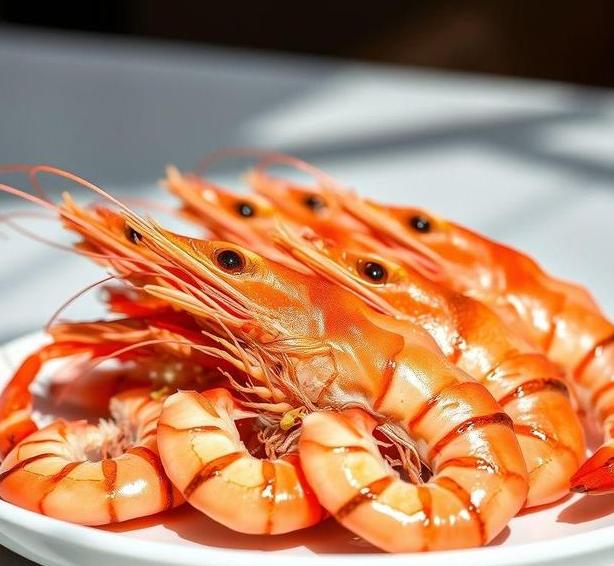
The shelf life of tiger prawns varies depending on whether they are fresh, cooked, or frozen. Each form has a different timeline, and understanding that is key to avoiding the consumption of spoiled seafood.
-
Fresh Tiger Prawns
- Refrigerated: If kept in the fridge at a temperature of around 32°F (0°C), fresh tiger prawns typically last for about 1 to 2 days. Beyond this time frame, they begin to lose their flavor, texture, and overall freshness.
- Room Temperature: Never leave tiger prawns at room temperature for more than 2 hours. If the temperature exceeds 90°F (32°C), the maximum safe window is 1 hour.
-
Frozen Tiger Prawns
- Freezer Life: When frozen at or below 0°F (-18°C), tiger prawns can last up to 6 months or even longer, though the texture may deteriorate the longer they’re stored. To preserve the best flavor, it’s ideal to consume them within the first 3 months.
- Freezing Process: If you’re freezing fresh prawns, it’s crucial to ensure they’re properly packaged to prevent freezer burn, which can negatively affect their taste and texture.
-
Cooked Tiger Prawns
- Refrigerated: Cooked tiger prawns can last in the fridge for about 3 to 4 days when stored in an airtight container. However, the longer you wait, the more the prawns’ texture will degrade, becoming rubbery and less appetizing.
- Frozen: If you want to extend their life even further, cooked prawns can be frozen for up to 2 months, but again, quality will slowly decrease over time.
Common Signs Of Spoilage
Identifying spoiled tiger prawns is essential to avoid health risks, as spoiled seafood can lead to food poisoning. Here’s what to watch out for:
-
Smell
- Fresh prawns have a mild, ocean-like scent. Any sour, fishy, or ammonia-like smell is a major red flag that the prawns have gone bad. Ammonia is a byproduct of bacterial growth and a clear indication that the prawns are not safe to eat.
-
Color
- Fresh prawns have a translucent, slightly pinkish or grayish color. If you notice the prawns turning a dull gray or developing dark spots, they are most likely spoiled. Also, if they look overly translucent or slimy, it’s a sign they’ve gone bad.
-
Texture
- Fresh prawns are firm to the touch and their flesh should spring back when pressed. Spoiled prawns feel soft, mushy, or slimy, indicating they have broken down due to bacterial action.
- When cooked, the texture should still be firm, but spoiled cooked prawns will feel rubbery or overly soft.
-
Shell Condition
- Prawns with cracked or broken shells or shells that feel mushy or slimy are signs of spoilage. This is especially true if the meat inside is discolored or smells bad.
-
General Appearance
- Discoloration: Any unusual color changes-such as black spots, dullness, or a greenish hue-are not typical for fresh prawns and are indicators of spoilage.
- Bubbles or Moisture: Excessive liquid or bubbles around the prawns, especially if they’ve been in a plastic bag or container, can also indicate that they’re starting to decompose.
How To Store Tiger Prawns?
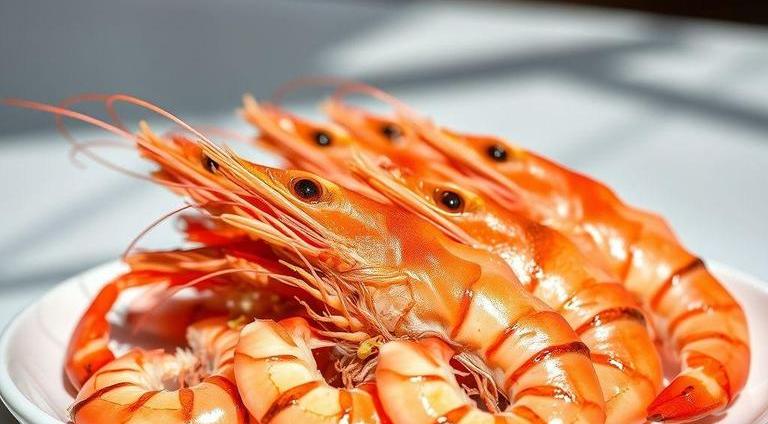
Proper storage is critical to ensuring the freshness and safety of tiger prawns. Whether you’re storing fresh prawns for a short period or frozen prawns for a longer shelf life, it’s important to follow these guidelines:
-
Refrigerating Fresh Prawns
- Place fresh tiger prawns in an airtight container or wrap them tightly in plastic wrap or wax paper to minimize exposure to air. This helps prevent them from absorbing odors from other foods in the fridge.
- Ice storage: If you’ve just bought fresh prawns, a good trick is to place them over a layer of crushed ice in a shallow pan. Let the ice slowly melt, but make sure to drain excess water to avoid soaking the prawns. This keeps them cold without introducing excessive moisture.
- Keep them cold: Store them in the coldest part of your fridge, usually at the back or in the lower drawers.
-
Freezing Prawns
- If you don’t plan to eat your prawns within a day or two, freezing them is the best option.
- Flash freezing: Lay the prawns in a single layer on a baking sheet and place them in the freezer. Once they’re fully frozen, transfer them into a freezer-safe bag or container. This process helps avoid the prawns freezing together into a block, which can make it difficult to take out just a few at a time.
- Vacuum sealing: For the best results, consider using a vacuum sealer to remove all air from the storage bag. This will minimize the risk of freezer burn and extend their shelf life.
-
Cooked Prawns
- If you have leftovers from a cooked dish, store the prawns in an airtight container in the fridge. Ideally, consume them within 3-4 days to enjoy them at their best.
- For freezing cooked prawns, let them cool completely before placing them in a freezer-safe bag or container. The texture won’t be as firm as fresh prawns, but they will still be perfectly safe to eat if stored properly.
Expert Tips
- Buy Fresh: Whenever possible, buy prawns from a reputable source to ensure their freshness. If you can, check their smell, texture, and appearance before purchasing.
- Avoid Freezer Burn: If freezing prawns, double wrap them in plastic wrap, then place them in a freezer-safe bag or container. This extra layer of protection helps prevent freezer burn, which can affect the flavor and texture.
- Thawing Prawns: Never thaw prawns at room temperature, as this can promote bacterial growth. Instead, thaw them overnight in the fridge or place them in a sealed plastic bag and submerge them in cold water for a faster thaw.
- Clean Before Storing: If you bought prawns that still have their shells, you might want to clean them before storing them for a longer period. Shells can trap moisture and lead to quicker spoilage.
- Watch for Expiration Dates: If buying frozen prawns, always check the expiration date on the packaging. Even frozen seafood has a finite shelf life.
FAQs
Can Tiger Prawns Go Bad In The Refrigerator?
Yes, tiger prawns can go bad in the refrigerator if not stored properly. Fresh tiger prawns should be kept in an airtight container or wrapped in plastic and consumed within 1-2 days for optimal freshness. If they are left too long in the fridge, bacteria can grow and spoil the prawns.
How Long Do Tiger Prawns Last In The Fridge?
Fresh tiger prawns can last in the refrigerator for up to 2 days if stored correctly. If they are cooked, they can last 3-4 days in the fridge. Always ensure they are stored in an airtight container to prevent contamination.
Can Tiger Prawns Go Bad In The Freezer?
Tiger prawns can be frozen to extend their shelf life. When frozen properly, they can last up to 6 months without significant loss of quality. However, if they are improperly frozen or thawed repeatedly, they can deteriorate in taste and texture.
How Can You Tell If Tiger Prawns Are Bad?
Tiger prawns that have gone bad will have a sour, ammonia-like odor, slimy texture, or a discolored appearance. They may also have black spots or a mushy consistency, especially around the shell. If these signs are present, it’s best not to consume them.
Can Tiger Prawns Go Bad After Cooking?
Yes, cooked tiger prawns can go bad if not stored properly. They should be refrigerated in an airtight container and eaten within 3-4 days. If left at room temperature for more than 2 hours, they can develop bacteria and spoil.
Can Tiger Prawns Go Bad If Left Out Overnight?
Yes, tiger prawns should not be left out at room temperature for more than 2 hours. After this time, bacteria such as Salmonella or Vibrio can grow, leading to food poisoning. If they are left out overnight, they should be discarded.
Can Tiger Prawns Go Bad If They Are Thawed And Refrozen?
Thawing and refreezing tiger prawns can lead to a decrease in quality and safety. When prawns are thawed, bacteria can begin to grow, and refreezing them doesn’t kill these bacteria. It is recommended to cook prawns immediately after thawing to avoid potential foodborne illnesses.
What’s The Best Way To Store Tiger Prawns To Prevent Them From Going Bad?
The best way to store tiger prawns is by keeping them in the coldest part of the refrigerator (around 32°F or 0°C). They should be placed in an airtight container or tightly wrapped in plastic to prevent air exposure. For long-term storage, freezing them in a sealed bag is the best option.
Can Tiger Prawns Go Bad After Being Frozen For Too Long?
While tiger prawns can remain safe to eat after being frozen for up to 6 months, their quality will start to decline over time. After this period, they may develop freezer burn, leading to a dry texture and loss of flavor.
Is It Safe To Eat Tiger Prawns If They Have A Strong Fishy Odor?
No, tiger prawns with a strong, unpleasant fishy odor are likely spoiled. Fresh tiger prawns should have a clean, ocean-like smell. A strong fishy or ammonia smell indicates that the prawns have gone bad and could cause food poisoning if consumed.