Veggie sausages-those plant-based alternatives that mimic the savory, juicy goodness of traditional sausages-have become a staple for many, whether you’re vegan, vegetarian, or just cutting back on meat. They’re not just for breakfast either! From hot dogs at barbecues to protein-packed additions to pasta dishes, veggie sausages have earned their place in kitchens around the world. But have you ever wondered how long these plant-powered delights actually last in your fridge?
Unlike meat-based sausages, veggie sausages come with different ingredients, usually including vegetables, grains, soy, or wheat gluten. This leaves many of us wondering, can veggie sausages go bad? If so, what are the telltale signs? How can we make sure they stay fresh for as long as possible?
In this guide, we’ll break down everything you need to know about the shelf life of veggie sausages, including how to store them properly, the signs of spoilage, and some expert tips for keeping them at their peak freshness.
Can Veggie Sausages Go Bad?
Yes, veggie sausages can definitely go bad, although they may not spoil in the same way as traditional meat sausages. While these plant-based sausages are typically more resistant to bacteria due to their lower fat content and lack of animal proteins, they still contain moisture, oils, and other ingredients that can go rancid or harbor mold under certain conditions.
The shelf life of veggie sausages largely depends on factors like the ingredients, packaging, and whether they’re cooked or uncooked. But even though they might not spoil as quickly as their meaty counterparts, they still need to be handled with care to maintain their taste and texture. So, if you’ve had some in the fridge for a while, it’s good to know what signs to look for to ensure you don’t end up with a bad batch.
Shelf Life For Veggie Sausages
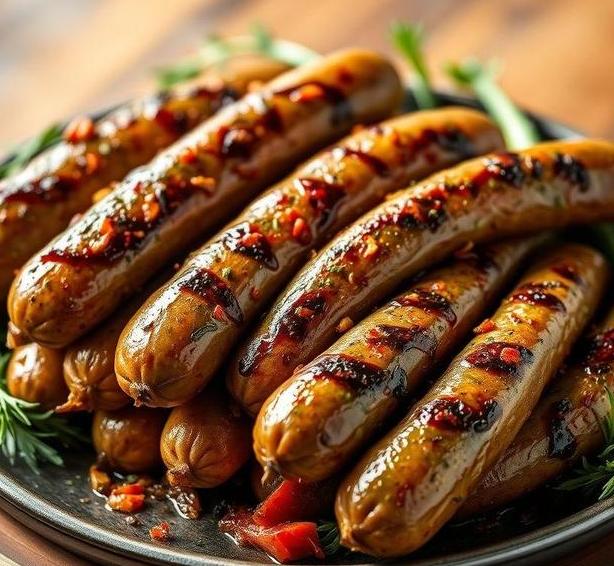
When it comes to storing veggie sausages, their shelf life can vary based on a few factors: whether they’re fresh or frozen, their ingredients, and the brand or type. Here’s a breakdown of how long you can expect them to last in different conditions:
-
Unopened Package (Refrigerated)
Most veggie sausages, when properly sealed and refrigerated, can last anywhere from 7 to 14 days past the "use by" date. Be sure to check the packaging for specific storage instructions or expiration dates.
-
Opened Package (Refrigerated)
Once opened, veggie sausages will generally stay fresh for 3 to 7 days in the fridge. It’s important to seal them in an airtight container or wrap them tightly to prevent exposure to air, which can speed up spoilage.
-
Frozen Veggie Sausages
If you’re not planning to use your veggie sausages within the week or so, the freezer is your best bet. They can last up to 6 months when stored properly in a freezer-safe bag or container. Freezing them can extend their shelf life significantly while maintaining their flavor and texture.
-
Cooked Veggie Sausages (Refrigerated)
If you’ve cooked your veggie sausages, they should be consumed within 3 to 5 days when stored in the fridge. Any longer, and the texture and flavor may begin to deteriorate.
Key Points To Remember
- Always check for specific use-by dates on the packaging.
- Freezing veggie sausages is a great way to extend shelf life.
- Be mindful of opened packages; they typically last only a few days in the fridge.
Common Signs Of Spoilage
Now that you know the shelf life, how do you actually know when your veggie sausages have gone bad? Unfortunately, veggie sausages don’t come with the same obvious signs of spoilage as raw meat. But there are a few key things to look for to determine whether they’re still safe to eat:
Off Or Sour Smell
- Fresh veggie sausages will have a savory, sometimes herby scent. If you notice a sour, rancid, or overly fermented smell, it’s a good indicator that they’ve spoiled. The smell might be subtle, but it will be unpleasant.
Discoloration
- Many veggie sausages are a little brownish or golden in color, but if they’ve taken on an unnatural, off-putting shade-such as greyish or overly dark hues-that’s a red flag. Some color changes are normal, but drastic changes could indicate spoilage.
Slimy Or Sticky Texture
- A slimy, sticky, or overly wet texture isn’t just unappealing; it’s also a sign of bacterial growth. If your veggie sausages feel slimy to the touch, it’s time to toss them.
Mold
- This one’s obvious. If you see any mold spots on your sausages, they should be discarded immediately. Mold can appear as fuzzy spots of white, green, or black, and it is not safe to eat.
Off Taste
- If you’ve cooked and tasted the veggie sausages and something tastes off-sour, bitter, or just strange-it’s best to err on the side of caution and discard them.
How To Store Veggie Sausages?
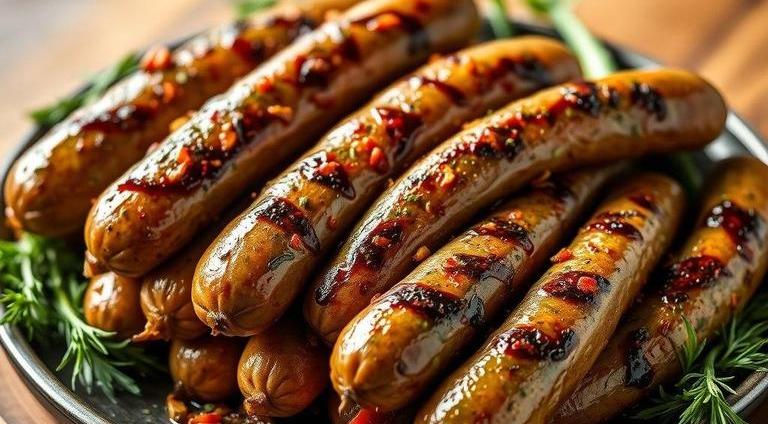
Proper storage is key to keeping veggie sausages fresh and safe to eat. Here are a few tips to ensure they last as long as possible:
In The Refrigerator
- Keep your veggie sausages in the coldest part of your fridge (usually towards the back). Store them in an airtight container or tightly wrapped in plastic wrap or foil to prevent exposure to air, which can lead to spoilage.
- If you’ve already opened the package, consume the sausages within a week or freeze them for longer storage.
In The Freezer
- If you’ve bought veggie sausages in bulk or don’t plan on using them right away, freezing is your best option. Place them in a freezer-safe container or zip-top bag to protect them from freezer burn. If you freeze them individually, you can pull out only what you need.
- When thawing, place the sausages in the fridge overnight to allow them to thaw safely. Never refreeze sausages once they’ve been thawed.
After Cooking
- If you’ve cooked your veggie sausages, store the leftovers in a sealed airtight container in the fridge. It’s also best to consume cooked sausages within a few days to maintain their texture and flavor.
Expert Tips
-
Buy In Small Quantities
- If you don’t eat veggie sausages often, try to buy smaller packages or those with longer shelf lives to avoid waste. You can always freeze extra sausages if you can’t use them in time.
-
Label Your Freezer
- When freezing veggie sausages, it’s a good idea to label the bags or containers with the date so you can keep track of how long they’ve been stored.
-
Know The Ingredients
- Different veggie sausages use different plant-based ingredients. For example, sausages made with soy protein or seitan may have a longer shelf life than those made with fresh vegetables or grains. Keep that in mind when purchasing.
-
Check The Packaging
- If the package is damaged or puffed up, it could be a sign of bacteria growth. Avoid consuming sausages from packages that appear compromised in any way.
-
Reheat Gently
- When reheating veggie sausages, do so gently to maintain their texture. Overcooking can make them dry or rubbery, while heating them too fast might cause them to dry out.
FAQs
Can Veggie Sausages Go Bad If Left Out?
Yes, veggie sausages can go bad if left out at room temperature for too long. Like most perishable foods, they should be stored in the refrigerator or freezer to prevent bacterial growth and spoilage. Generally, they should not be left out for more than 2 hours.
How Long Do Veggie Sausages Last In The Fridge?
Veggie sausages typically last 5 to 7 days in the refrigerator after being opened, if stored properly in an airtight container. Unopened veggie sausages may last until the expiration date indicated on the packaging.
Can Veggie Sausages Spoil After Cooking?
Yes, cooked veggie sausages can spoil if not refrigerated promptly. They should be stored in the refrigerator within 2 hours of cooking and consumed within 3 to 4 days to ensure safety and quality.
How Can I Tell If Veggie Sausages Have Gone Bad?
Signs that veggie sausages have gone bad include an off or sour smell, discoloration, slimy texture, or mold. If any of these are present, it’s best to discard the sausages.
Can I Freeze Veggie Sausages To Extend Their Shelf Life?
Yes, veggie sausages can be frozen to extend their shelf life. When properly wrapped in plastic wrap or stored in an airtight container, they can last up to 3 months in the freezer without significant loss of quality.
Do Veggie Sausages Expire After The Sell-by Date?
The sell-by date on veggie sausages is an indicator of peak freshness but does not necessarily mean they are unsafe to eat immediately after. However, if stored properly, they may still be good for a few days past the sell-by date. Always check for signs of spoilage before consuming.
Is It Safe To Eat Veggie Sausages After They’ve Been Frozen For A Long Time?
While veggie sausages can remain safe to eat after being frozen for extended periods, their texture and flavor may deteriorate over time. To maintain the best quality, it is recommended to consume them within 3 months of freezing.
Can Veggie Sausages Develop Freezer Burn?
Yes, veggie sausages can develop freezer burn if they are not properly wrapped or sealed before freezing. Freezer burn can cause a change in texture and flavor, though the sausages are still safe to eat.
What Happens If I Eat Spoiled Veggie Sausages?
Eating spoiled veggie sausages can lead to foodborne illness, with symptoms such as nausea, vomiting, stomach cramps, and diarrhea. It’s best to avoid consuming any product that appears to have gone bad.
Can Veggie Sausages Be Stored At Room Temperature?
No, veggie sausages should not be stored at room temperature for extended periods, as this can promote bacterial growth and lead to spoilage. Always refrigerate or freeze them to keep them safe to eat.