Wild game meat has long been celebrated for its rich flavors, nutritional value, and the thrill of harvesting it yourself. Whether it’s venison, elk, wild boar, or waterfowl, wild game offers a unique taste profile that domestic meats often can’t compete with. However, as with any meat, it’s essential to handle, store, and preserve it properly to avoid spoilage and maximize its quality.
One question that often arises when dealing with wild game meat is: Can wild game meat go bad? The short answer is yes. Like all meats, wild game can go bad if not stored, prepared, or handled correctly. But with a little know-how and proper attention, you can extend its shelf life and ensure that you’re eating the highest quality meat possible.
In this guide, we’ll dive deep into how wild game meat can go bad, signs to look out for, how to store it properly, and some expert tips to preserve it for longer periods. Let’s get started!
Can Wild Game Meat Go Bad?
Absolutely! Wild game meat, like any other type of meat, is perishable. It can spoil due to bacterial growth, oxidation, or improper storage, which can result in a loss of flavor, texture, and even health risks. But before we dive into the nitty-gritty of spoilage, it’s helpful to understand the factors that influence how wild game meat ages.
- Bacteria: Meat from wild animals can carry harmful bacteria such as E. coli or Salmonella, especially if not properly cleaned, field-dressed, or handled.
- Environmental factors: The temperature at which the meat is stored is one of the most crucial aspects. Wild game meat spoils much faster in warmer temperatures.
- Air exposure: Oxidation happens when meat is exposed to air, causing it to turn rancid over time.
- Fat content: Wild game meat can have higher fat content than domesticated animals, and fat goes rancid much faster, especially if it’s not properly preserved.
It’s vital to handle wild game meat with care from the moment it’s harvested to ensure it doesn’t go bad too quickly.
Shelf Life For Wild Game Meat
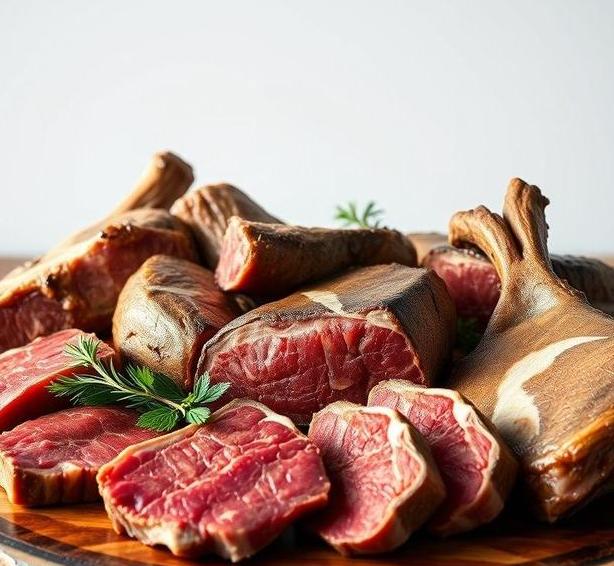
The shelf life of wild game meat varies depending on the type of meat, how it’s processed, and how it’s stored. Let’s break it down for some of the most common types of wild game:
-
Venison (Deer Meat)
- Fresh: If kept in a refrigerator, venison can last for 3 to 5 days.
- Frozen: Venison can stay fresh for up to 12 months in the freezer.
- Processed (Jerky, Sausage, etc.): Processed venison can last anywhere from 1 to 6 months, depending on preservatives and storage methods.
-
Elk
- Fresh: Elk is a leaner meat, so it spoils faster than venison. It can last 2 to 3 days in the refrigerator.
- Frozen: Like venison, elk can last for up to 12 months if properly frozen.
-
Wild Boar
- Fresh: Wild boar is rich in fat, so it will last 3 to 4 days in the fridge.
- Frozen: Wild boar can last up to 6 months in the freezer.
-
Waterfowl (Ducks, Geese)
- Fresh: These meats tend to spoil faster due to their fat content and can last only 2 to 3 days in the fridge.
- Frozen: Properly frozen waterfowl can last for up to 6 months.
The key takeaway here is that freezing wild game meat significantly extends its shelf life, but it’s crucial to ensure it’s vacuum-sealed or properly wrapped to prevent freezer burn.
Common Signs Of Spoilage
When handling wild game meat, it’s essential to know the common signs of spoilage. Identifying these early can save you from potential foodborne illnesses. Here’s a breakdown of what to look for:
-
Off Smell
- Fresh wild game meat should have a neutral, slightly metallic or mild odor. Any sour, rancid, or ammonia-like smell is a clear sign the meat has gone bad.
-
Color Changes
- Venison, elk, and other wild game meats should have a dark, rich red color. If the meat turns an off grayish-brown or greenish hue, this is an indication of spoilage. This happens due to oxidation or bacterial growth.
-
Slimy Or Sticky Texture
- Fresh meat should feel firm and slightly moist, but not slimy or sticky. A slimy texture indicates bacterial growth, which can cause foodborne illnesses.
-
Discoloration Or Mold
- If you notice any green, gray, or black spots or visible mold, the meat is no longer safe to eat.
-
Excessive Dryness
- While some drying is normal, especially for jerky, meat that is overly dry or cracked may indicate that it’s been improperly stored or exposed to air for too long.
-
Freezer Burn
- Freezer burn occurs when frozen meat has been exposed to air. It may appear as white, frost-like patches and can affect the texture and flavor, making the meat less appetizing, though still safe to eat.
How To Store Wild Game Meat?
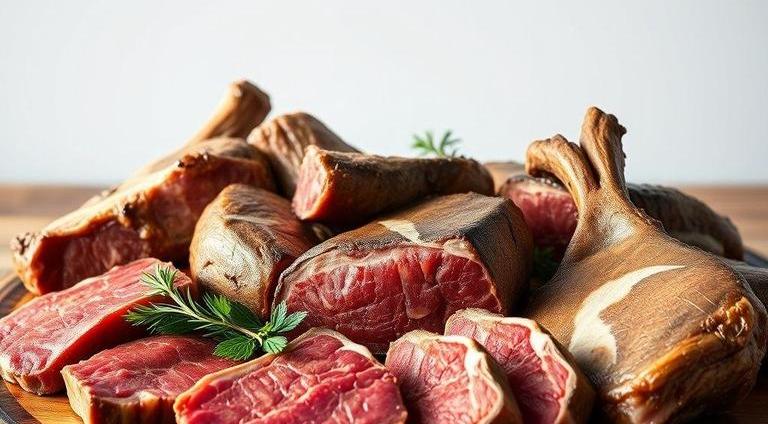
Storing wild game meat properly is key to ensuring it stays fresh and flavorful for as long as possible. Below are the best practices to follow:
Refrigeration
- Fresh wild game meat should be kept at or below 40°F (4°C) in the refrigerator.
- Ideally, keep the meat in the coldest part of the fridge, typically the bottom shelf.
- If you’re storing it for more than a couple of days, consider vacuum-sealing or wrapping the meat tightly in plastic wrap or butcher paper to minimize exposure to air.
Freezing
- Freezing is your best bet for long-term storage. Wild game meat can be stored in the freezer for several months, but only if it is vacuum-sealed or wrapped properly in airtight packaging.
- Remove air: Air exposure leads to freezer burn, which can affect the flavor and texture.
- If you don’t have a vacuum sealer, use heavy-duty freezer bags and remove as much air as possible before sealing.
- Label the packaging with the date so you know how long it’s been in the freezer.
Canning
- Canning is an option for wild game meats if you prefer a shelf-stable option. However, it requires specialized equipment and precise methods to avoid food safety issues.
Drying
- Dehydrating or making jerky is an excellent way to preserve wild game meat for months. Jerky should be stored in airtight containers or vacuum-sealed bags to keep it from drying out too much or picking up moisture.
Smoking
- Smoked wild game can last longer than fresh meat, but it should also be stored in a cool, dry place. Refrigeration is recommended once smoked, especially if not consumed within a few days.
Expert Tips
To get the best out of your wild game meat, here are some expert tips:
- Field Dress Immediately: The quicker you field dress and cool the meat, the less likely it will spoil. This is crucial for maintaining quality.
- Avoid Sun Exposure: Always avoid leaving wild game meat exposed to the sun or warm temperatures, as this accelerates spoilage.
- Use Salt for Preservation: If you’re planning to preserve meat for longer periods, consider using salt to cure it. This helps draw out moisture and inhibit bacterial growth.
- Use Ice or Coolers During Transport: While hunting, keep meat in a cooler with ice to slow down the spoiling process. Meat can start to deteriorate in just a few hours without proper cooling.
- Consider Aging: Some hunters prefer to age their wild game meat for a few days in a cool, controlled environment to improve tenderness and flavor. However, be cautious about aging if there’s any risk of spoilage.
- Use Vacuum Sealing: If you have a vacuum sealer, use it! This method greatly extends the shelf life of wild game meat by limiting exposure to oxygen.
FAQs
Can Wild Game Meat Go Bad If Not Properly Stored?
Yes, wild game meat can go bad if it is not stored correctly. Proper storage includes refrigeration or freezing, and the meat should be kept in an airtight container or wrapped to prevent exposure to air, which accelerates spoilage.
How Long Does Wild Game Meat Last In The Freezer?
When properly wrapped in airtight packaging, wild game meat can last anywhere from 6 months to a year in the freezer. However, for optimal quality, it’s best consumed within the first 6 months.
What Are The Signs That Wild Game Meat Has Spoiled?
Signs of spoiled wild game meat include an off or sour smell, slimy texture, discolored patches (usually a greyish or greenish tint), and a sticky or tacky surface. If any of these signs are present, discard the meat.
Can Wild Game Meat Spoil At Room Temperature?
Yes, wild game meat can spoil at room temperature. It should not be left out for more than 2 hours. If the ambient temperature is above 90°F (32°C), the safe time limit is reduced to 1 hour.
Is It Safe To Eat Wild Game Meat That Has Been Frozen For A Long Time?
While freezing prevents bacterial growth and keeps the meat safe to eat indefinitely, the quality of the meat may degrade over time. Extended freezing can result in freezer burn, which affects taste and texture but doesn’t make it unsafe.
How Can I Prevent Wild Game Meat From Going Bad After Hunting?
To prevent wild game meat from spoiling after hunting, it’s essential to cool the carcass as quickly as possible. Field dressing should be done immediately, and the meat should be kept cool, ideally below 40°F (4°C).
Can Wild Game Meat Go Bad If It’s Not Field-dressed Immediately?
If the wild game is not field-dressed promptly, bacteria can multiply rapidly in the internal organs, leading to rapid spoilage. It’s crucial to remove the entrails and cool the meat as soon as possible to prevent bacterial contamination.
What Is The Recommended Temperature For Storing Wild Game Meat?
Wild game meat should be stored at temperatures below 40°F (4°C) in the refrigerator and at 0°F (-18°C) or lower in the freezer. These temperatures slow down bacterial growth and help preserve the meat’s quality.
Can Wild Game Meat Go Bad If It’s Vacuum-sealed?
Vacuum-sealing can significantly extend the shelf life of wild game meat by reducing exposure to air, but the meat can still go bad if not kept at the correct temperature. Vacuum-sealed meat should be refrigerated or frozen for optimal preservation.
Is Wild Game Meat More Prone To Spoilage Than Farm-raised Meat?
Wild game meat can be more prone to spoilage if not handled carefully due to its leaner nature and the fact that it’s not typically processed or stored in the same controlled environment as farm-raised meat. However, with proper handling, wild game can be safely preserved.