Prawns, one of the most popular seafood options worldwide, bring a sweet, tender, and juicy burst of flavor to many dishes. Whether you’re preparing them for a casual dinner, a fancy seafood platter, or adding them to a savory pasta, prawns can make any meal feel elevated. But, like all seafood, prawns require proper handling and storage to maintain their quality and safety. One of the most common concerns for anyone buying uncooked prawns is how to tell if they’ve gone bad, and what to do to keep them fresh for as long as possible.
The problem lies in the fact that seafood, especially prawns, is highly perishable. While they might look fresh when you first buy them, a couple of days later, you could find yourself questioning their condition. So, how can you ensure that your uncooked prawns remain fresh, and what are the signs that they’ve spoiled? Let’s dive deep into all things related to prawns, focusing on their shelf life, storage, spoilage signs, and expert tips on handling them.
Can Uncooked Prawns Go Bad?
Yes, uncooked prawns can absolutely go bad. Like most raw seafood, prawns are highly perishable and can deteriorate quickly if not stored properly. Because prawns are rich in water and proteins, they provide an ideal environment for bacteria to grow. In fact, seafood like prawns can be more susceptible to spoilage than other meats due to the fact that it’s harvested from the ocean, which introduces a different set of bacteria and enzymes into the equation.
Several factors contribute to the degradation of prawns:
- Temperature: If prawns are kept at temperatures above 40°F (4°C) for extended periods, bacteria can multiply rapidly, leading to spoilage.
- Exposure to Air: When prawns are exposed to air, especially for prolonged periods, oxidation can occur, causing them to lose their texture and develop an unpleasant smell.
- Time: Even with the best care, prawns have a limited shelf life, and once they’ve passed that point, it’s best to discard them.
Shelf Life For Uncooked Prawns
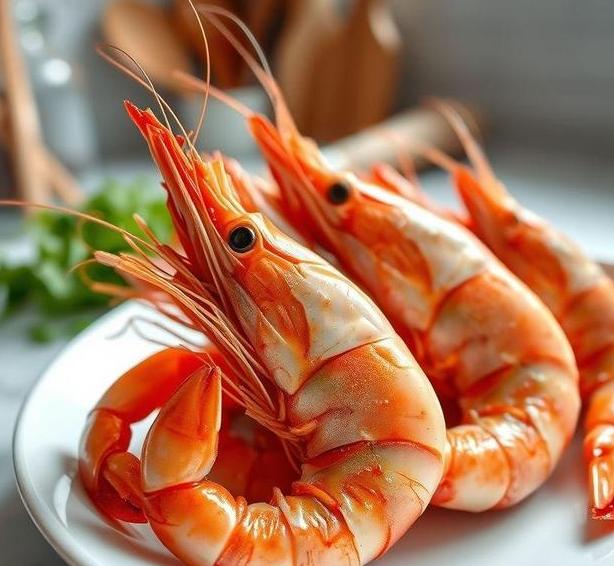
The shelf life of uncooked prawns is influenced by several factors, including how they’re stored and whether they’re fresh or frozen. Generally, here’s a breakdown:
-
Fresh (Raw) Prawns: If you’ve just bought prawns from the market and they’re still raw, they should be cooked within 1-2 days if stored properly. The "use by" or "sell by" date on the packaging is a good guideline, but it’s important to consider that prawns can spoil before that date if not handled correctly.
- Refrigeration: Keep them in the coldest part of your fridge, ideally below 40°F (4°C).
- Frozen Prawns: If you don’t plan to cook your prawns within the 1-2 day window, freezing them will extend their shelf life to about 6-12 months. While freezing will keep prawns safe from spoilage, it can alter their texture once thawed.
- Frozen Raw Prawns: Prawns that are sold frozen (even if they appear fresh when thawed) can be stored in the freezer for up to 6 months for the best quality. However, if you freeze prawns and don’t plan on using them right away, the quality may begin to degrade with time, though they will still technically be safe to eat beyond this period.
Common Signs Of Spoilage
It’s easy to assume that prawns can look fresh on the outside and still be spoiled on the inside. Knowing the signs of spoilage is essential to avoid any unpleasant or even dangerous experiences with bad seafood. Here are the most common indicators that your prawns have gone bad:
- Odor: The smell of fresh prawns should be clean and ocean-like, similar to the sea breeze. Spoiled prawns will emit a strong, sour, or ammonia-like odor, which is a clear sign of bacterial growth. If they smell off, it’s best to toss them.
- Color: Fresh prawns are usually translucent or slightly grayish. If the prawns have turned a dull, greenish, or black color, this is a sign of spoilage. Dark spots on the shell or flesh can also indicate that they’ve begun to deteriorate.
- Texture: Fresh prawns should have a firm texture. If the prawns feel slimy, mushy, or soft to the touch, this could be an indication of decomposition. A rubbery texture or an overly soft shell is also a bad sign.
- Shell Appearance: A fresh prawn will have a glossy, smooth shell. If the shell appears dull or has a sticky, slimy residue, this could be a result of bacterial breakdown.
- Eyes and Head (for Whole Prawns): If you’ve bought prawns with their heads still on, check their eyes. If the eyes are cloudy or sunken, the prawns are past their prime and should not be consumed.
How To Store Uncooked Prawns?
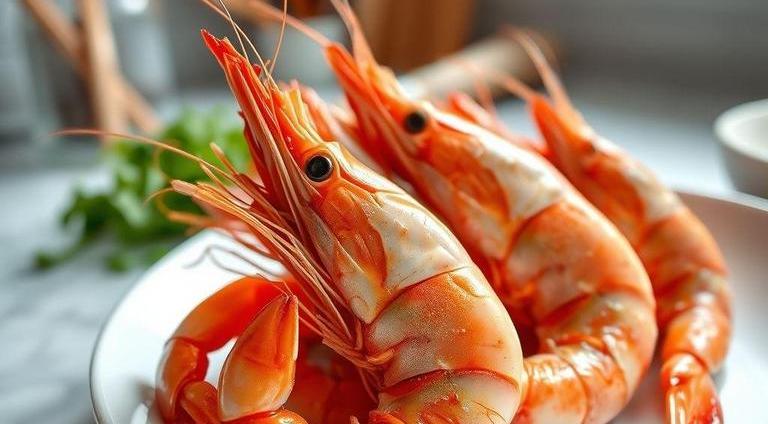
Proper storage is key to extending the shelf life of uncooked prawns and preventing spoilage. Here’s a detailed look at how you can store prawns to keep them fresh:
-
Refrigeration
- Keep prawns in the coldest part of the refrigerator (usually towards the back, away from the door).
- If possible, store them in a shallow pan or tray, lined with paper towels to absorb excess moisture. This helps prevent the prawns from sitting in their own juices, which can hasten spoilage.
- Cover the prawns loosely with plastic wrap or wax paper to allow for air circulation. Do not store them in an airtight container unless they are still frozen.
- If they’re in a vacuum-sealed bag, keep them in their packaging but ensure they are placed in the fridge right away.
-
Freezing
- If you won’t be cooking the prawns within a couple of days, freezing them is the best way to preserve them for longer.
- First, rinse them under cold water to remove any residual shellfish or debris. Pat them dry with paper towels before placing them in an airtight container or freezer bag.
- For extra protection, wrap the prawns in plastic wrap or foil before placing them in the freezer bag to prevent freezer burn.
- If you’re storing prawns in bulk, consider dividing them into smaller portions before freezing. This way, you can thaw just what you need without having to refreeze them.
-
Thawing
- Always thaw frozen prawns in the refrigerator for several hours or overnight. Avoid thawing at room temperature, as this can promote bacterial growth.
- If you’re in a rush, you can also run cold water over the prawns in their packaging, or defrost them using a microwave (though the texture might be slightly affected).
Expert Tips
- Check for Freshness at Purchase: When buying prawns, always smell them before you buy. If they have an off smell, don’t hesitate to ask for a fresher batch. When purchasing frozen prawns, ensure that the package is sealed tightly and that no ice crystals have formed inside, as this could indicate that they’ve been thawed and refrozen.
- Don’t Store Live Prawns in Water: Live prawns should not be stored in water, as this can lead to a rapid deterioration in their quality. Keep them in a dry container with ventilation, such as a breathable bag or a box with small air holes.
- Use Lemon or Vinegar for Cleaning: If you’re preparing prawns and want to get rid of any lingering odors or bacteria, a quick rinse with lemon juice or vinegar can help neutralize these elements.
- Cook Immediately After Thawing: Thaw prawns in the fridge and cook them as soon as they’re fully thawed. If you leave them sitting around for too long at room temperature after thawing, bacteria can quickly multiply, putting your meal at risk.
FAQs
How Long Can Uncooked Prawns Stay Fresh In The Fridge?
Uncooked prawns can stay fresh in the fridge for up to 1-2 days. They should be stored in a sealed container or on ice to maintain freshness. It’s important to check their condition before consumption.
What Signs Indicate That Uncooked Prawns Have Gone Bad?
Signs that uncooked prawns have gone bad include an off or sour smell, a slimy texture, and a change in color from translucent to grayish or dull. They should be discarded if any of these signs are present.
Can Uncooked Prawns Be Frozen To Extend Their Shelf Life?
Yes, uncooked prawns can be frozen to extend their shelf life. When properly stored in an airtight container or vacuum-sealed bag, prawns can last for up to 6 months in the freezer.
How Can I Tell If Uncooked Prawns Are Still Safe To Eat After Freezing?
To ensure prawns are safe to eat after freezing, check for freezer burn or signs of a poor seal. If they appear frosty or have an unusual odor once thawed, they may not be safe to consume.
Can Uncooked Prawns Spoil Even If They Are Kept In The Fridge?
Yes, uncooked prawns can spoil even if kept in the fridge, especially if they are not stored properly. They should be kept at a temperature of 40°F (4°C) or lower, and consumed within 1-2 days.
Is It Safe To Eat Prawns That Have Been Left Out At Room Temperature?
It is not safe to eat prawns that have been left out at room temperature for more than 2 hours, as bacteria can rapidly grow at temperatures above 40°F (4°C). If left out longer, they should be discarded.
How Should Uncooked Prawns Be Stored To Prevent Them From Going Bad?
Uncooked prawns should be stored in a cold environment, ideally in a sealed container or on ice. If freezing, they should be placed in airtight bags to avoid freezer burn.
Can Uncooked Prawns Go Bad After Being Thawed?
Yes, uncooked prawns can go bad after being thawed. Once thawed, they should be cooked within 24 hours and should not be refrozen unless fully cooked.
What Temperature Should Uncooked Prawns Be Kept At To Prevent Spoilage?
Uncooked prawns should be kept at or below 40°F (4°C) to prevent spoilage. This helps inhibit bacterial growth and maintain freshness.
Can Uncooked Prawns Be Safely Eaten After Their Expiration Date?
It is not recommended to eat uncooked prawns after their expiration date. While they may not always show obvious signs of spoilage, consuming prawns past their expiration can increase the risk of foodborne illness.