Meatless spaghetti sauce-whether it’s made with tomatoes, herbs, olive oil, or other ingredients-is a staple in many kitchens. It’s not just for vegetarians or vegans; people of all diets enjoy the rich, flavorful depth it adds to pasta, pizzas, lasagnas, and even as a dip for breadsticks. But if you’re someone who likes to batch-cook or stock up on jarred versions, the question of whether meatless spaghetti sauce can go bad might cross your mind.
Spoiled food is always something we want to avoid, so understanding the shelf life, signs of spoilage, and proper storage methods for meatless spaghetti sauce can help you get the most out of your culinary creations while keeping things safe.
Let’s take a closer look at everything you need to know about this tomato-based goodness, so you can feel confident storing it, cooking with it, and enjoying it without worrying about food safety.
Can Meatless Spaghetti Sauce Go Bad?
Absolutely, yes. Meatless spaghetti sauce, like almost all food products, can spoil over time. While meatless versions don’t contain the same proteins that might degrade in different ways, their primary ingredient-tomatoes-can still turn sour, ferment, or grow bacteria if not stored properly. Tomatoes and other vegetables in the sauce are rich in moisture, which means the sauce can still spoil, even without any meat in it.
It’s important to remember that while the lack of meat can slightly increase the shelf life (since meat is a highly perishable ingredient), the quality and safety of your sauce still depend on factors like storage conditions, preservatives (if any), and the ingredients involved.
Shelf Life For Meatless Spaghetti Sauce
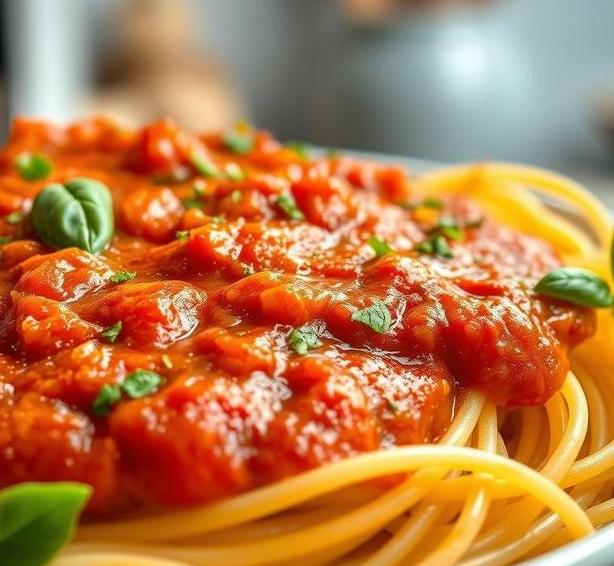
The shelf life of meatless spaghetti sauce depends on several variables, including whether it’s homemade or store-bought. Here’s a breakdown:
Store-bought Meatless Spaghetti Sauce
-
Unopened Jar/Canned
- Shelf Life: Typically lasts 1-2 years in the pantry, as long as it’s stored in a cool, dark place and the seal remains intact.
- Expiration Date: Pay attention to the “best by” date, but note that even if it’s past that date, it may still be good if it’s been stored properly.
-
Opened Jar/Canned
- Shelf Life: Once opened, store-bought meatless sauce typically lasts 5-7 days in the fridge. The preservatives in the sauce can help extend this period a bit, but it’s always best to use your senses to determine its safety.
Homemade Meatless Spaghetti Sauce
Common Signs Of Spoilage
There are a few telltale signs that your meatless spaghetti sauce has gone bad. Even if it doesn’t smell rancid immediately, you should look out for these red flags:
- Off or sour smell: The most common sign of spoilage in tomato-based sauces is a sour or fermented odor. Fresh tomato sauce will have a sweet, tangy fragrance, but if it’s turned, it may smell sharp, rancid, or even alcoholic.
- Mold growth: If you notice fuzzy, green, or white mold growing on the surface of the sauce, it’s a definite sign it’s spoiled. Mold can form even in refrigerated sauce if it’s been sitting for too long or improperly sealed.
- Change in color: If your sauce looks much darker than it originally did, or has noticeable discoloration (such as spots of brown or black), it could be a sign of spoilage. A slight darkening over time can happen, but drastic color changes should raise concern.
- Separation of liquids: While some separation of liquids in sauce is normal, large amounts of liquid or a weird “watery” texture on top could indicate the sauce is past its prime.
- Odd taste: If you taste the sauce and notice it’s more bitter, sour, or just strange, it’s better to toss it out. An unpleasant taste is a clear indication that bacteria or mold has taken over.
- Bubbling or gas production: If you open a jar or can and notice bubbling or hissing, this could be a sign of fermentation or bacterial growth. It’s definitely time to discard it.
How To Store Meatless Spaghetti Sauce?
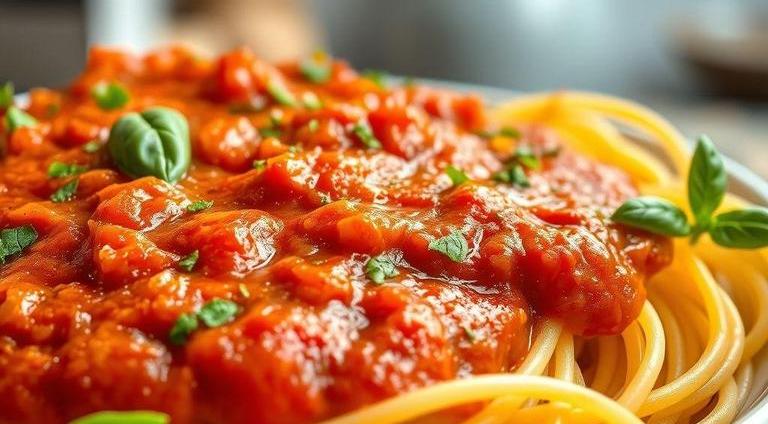
Proper storage is key to maintaining the quality and safety of your meatless spaghetti sauce. Follow these tips to extend its shelf life and ensure it stays fresh:
For Unopened Sauce (Jarred Or Canned)
- Pantry Storage: Keep your jars or cans in a cool, dry, and dark place. Avoid storing them near heat sources or direct sunlight.
- Away from Moisture: Ensure the storage space is dry, as moisture can damage the seal and lead to spoilage.
After Opening (Refrigeration)
- Transfer to an Airtight Container: If you’ve opened a jar or can, transfer the sauce to an airtight container to reduce exposure to air, which can cause it to spoil faster.
- Cool Down Before Storing: If you’ve cooked the sauce, let it cool to room temperature before refrigerating it. Storing hot food directly in the fridge can cause condensation, leading to quicker spoilage.
- Store in the Fridge: Meatless spaghetti sauce should be refrigerated promptly after opening. Most sauces will last up to 5-7 days in the fridge. Always check the appearance, smell, and texture before using it again.
Freezing (For Longer Storage)
- Use Airtight Containers or Freezer Bags: If you want to store your sauce for longer, freezing is the best option. Transfer your sauce to freezer-safe containers or heavy-duty freezer bags.
- Label and Date: Always label your frozen sauce with the date so you can keep track of how long it’s been in the freezer.
- Defrosting: When you’re ready to use your frozen sauce, defrost it in the fridge overnight or use the defrost setting on your microwave. It’s best used within 3-4 months for the best flavor and texture.
Expert Tips
- Add fresh herbs later: If you’re making homemade sauce, consider adding fresh herbs (like basil or oregano) just before serving, rather than cooking them into the sauce. They maintain their flavor better when added later, and they won’t spoil as quickly.
- Preserve flavor with olive oil: Drizzle a bit of olive oil on top of the sauce before refrigerating to create a barrier between the sauce and air. This can help preserve the flavor and prevent oxidation.
- Avoid double-dipping: When using leftover sauce, try not to dip anything directly into the jar if you plan to store it again. Bacteria from utensils or hands can introduce contaminants that lead to quicker spoilage.
- Freeze in portions: If you know you won’t use all the sauce at once, freeze it in smaller portions. This will make it easier to defrost only what you need, avoiding waste.
FAQs
How Long Can Meatless Spaghetti Sauce Last In The Refrigerator?
Meatless spaghetti sauce can typically last for about 5 to 7 days in the refrigerator, provided it has been stored in an airtight container.
Can Meatless Spaghetti Sauce Spoil If Left Out Overnight?
Yes, meatless spaghetti sauce can spoil if left out at room temperature for more than 2 hours, as bacteria can multiply rapidly in warm environments.
How Can I Tell If My Meatless Spaghetti Sauce Has Gone Bad?
Signs that meatless spaghetti sauce has gone bad include an off or sour smell, discoloration, mold growth, and an unusual taste. If any of these are present, it should be discarded.
Can I Freeze Meatless Spaghetti Sauce To Extend Its Shelf Life?
Yes, you can freeze meatless spaghetti sauce for up to 3-4 months. Make sure to store it in an airtight container or freezer-safe bag to prevent freezer burn.
What Happens If I Eat Spoiled Meatless Spaghetti Sauce?
Eating spoiled meatless spaghetti sauce can lead to food poisoning, resulting in symptoms such as nausea, vomiting, stomach cramps, and diarrhea.
Can Meatless Spaghetti Sauce Go Bad After The Expiration Date On The Jar?
While the expiration date is a guideline, meatless spaghetti sauce can still be safe to eat after that date if stored properly, though its quality may decrease. Always check for signs of spoilage.
Does Meatless Spaghetti Sauce Spoil Faster If It Contains Fresh Vegetables?
Yes, meatless spaghetti sauce with fresh vegetables tends to spoil faster than one without, as vegetables can increase moisture content and promote bacterial growth.
Can I Extend The Shelf Life Of Meatless Spaghetti Sauce By Adding Preservatives?
Adding preservatives may slightly extend the shelf life of homemade meatless spaghetti sauce, but it’s generally better to store the sauce properly and consume it within a reasonable timeframe.
How Should Meatless Spaghetti Sauce Be Stored To Prevent Spoilage?
To prevent spoilage, meatless spaghetti sauce should be stored in an airtight container in the refrigerator, and if you’re not planning to use it soon, freezing is the best option.
Can I Reuse Meatless Spaghetti Sauce That’s Been Previously Frozen?
Yes, you can reuse meatless spaghetti sauce that has been properly thawed, but it’s best to consume it within a few days after reheating. Avoid refreezing thawed sauce.