Vegetable sauce is a versatile and delicious addition to many dishes, ranging from pasta and rice to roasted vegetables and grilled meats. Whether it’s made fresh at home or purchased from the store, vegetable sauce often brings a unique blend of savory flavors and nutritional value to meals. But, like any food product, it doesn’t last forever. Over time, vegetable sauce can spoil, losing its taste, texture, and even safety for consumption.
So, what happens to vegetable sauce as it sits in your pantry or fridge? Can it go bad? How long does it last? And, most importantly, how can you tell if it’s still good to use? In this article, we’ll cover everything you need to know about vegetable sauce storage, shelf life, spoilage signs, and expert tips for keeping your sauce fresh for as long as possible. Whether you’re dealing with homemade creations or store-bought varieties, this guide will help you maximize the lifespan of your vegetable sauce.
Can Vegetable Sauce Go Bad?
Yes, vegetable sauce can absolutely go bad. Like most sauces, vegetable sauce is prone to spoiling over time due to its organic ingredients. Whether it’s packed with tomatoes, peppers, onions, garlic, or other vegetables, the presence of moisture, natural sugars, and acids makes it a potential breeding ground for bacteria, mold, and yeast. Factors such as improper storage, exposure to air, or contamination can accelerate the breakdown of the sauce.
The potential for spoilage is not just about the sauce becoming unpleasant to eat, but also about food safety. When vegetable sauce goes bad, it may harbor harmful microorganisms, which could lead to foodborne illnesses. For this reason, it’s important to know how to identify when vegetable sauce has gone bad and how to store it properly to extend its life.
Shelf Life For Vegetable Sauce
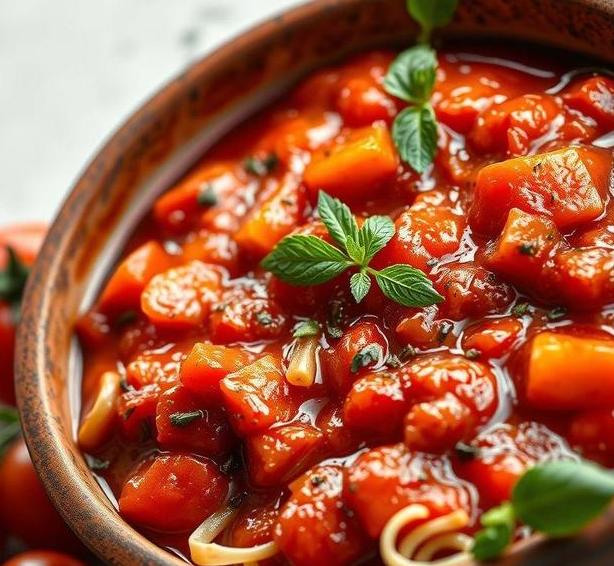
The shelf life of vegetable sauce can vary based on several factors, including whether it’s homemade or store-bought, and how it’s stored. Here’s a breakdown:
-
Store-Bought Vegetable Sauce
- Unopened: If unopened and stored in a cool, dark place, an industrially produced vegetable sauce can last up to 1 year or more past the “best by” date on the jar. The preservatives used in commercial sauces help extend their shelf life significantly.
- Opened: Once opened, vegetable sauce typically lasts about 5 to 7 days in the fridge. Some high-acid sauces with vinegar or citrus can last slightly longer, up to 10 days.
-
Homemade Vegetable Sauce
- Refrigerated: Homemade vegetable sauce tends to have a shorter shelf life than store-bought versions, even when stored properly in the fridge. Expect it to last about 4 to 5 days when kept in an airtight container.
- Frozen: If you want to extend the life of your homemade sauce, freezing is a great option. Frozen vegetable sauce can last for 3 to 4 months. The key is to store it in a well-sealed container or freezer-safe bag to prevent freezer burn.
Note: The quality of vegetable sauce can also degrade over time. Even if it’s technically safe to eat, it may lose flavor, texture, and aroma after a certain period.
Common Signs Of Spoilage
It’s crucial to know the telltale signs of spoiled vegetable sauce, so you don’t inadvertently consume something harmful. Below are some key indicators:
-
Off Smell
A sour, rancid, or fermented odor is a strong sign that your sauce has gone bad. Fresh vegetable sauce typically has a vibrant, savory aroma, but a spoiled sauce may have a smell that’s noticeably off-putting.
-
Color Changes
Fresh vegetable sauce should maintain its rich color, whether it’s a deep red from tomatoes or a vibrant green from herbs and leafy vegetables. If you notice any darkening, browning, or unusual color shifts, it could indicate the sauce has begun to spoil.
-
Mold
If you see mold on the surface of your vegetable sauce or inside the jar/container, it’s time to toss it. Mold can be white, green, or even black, and it’s an obvious sign that the sauce is no longer safe to eat.
-
Separation Or Texture Changes
While some separation is normal in sauces, especially if they’ve been refrigerated, a drastic change in texture-such as clumps, curdling, or unusual thickness-can indicate spoilage. Similarly, if the sauce appears unusually watery or thickened in an uneven manner, it may be a sign that the ingredients are breaking down.
-
Off Taste
If all else fails and you’re still uncertain, a taste test can be revealing. A sour, overly bitter, or strange flavor is a surefire indicator that the sauce is no longer good to eat.
How To Store Vegetable Sauce?
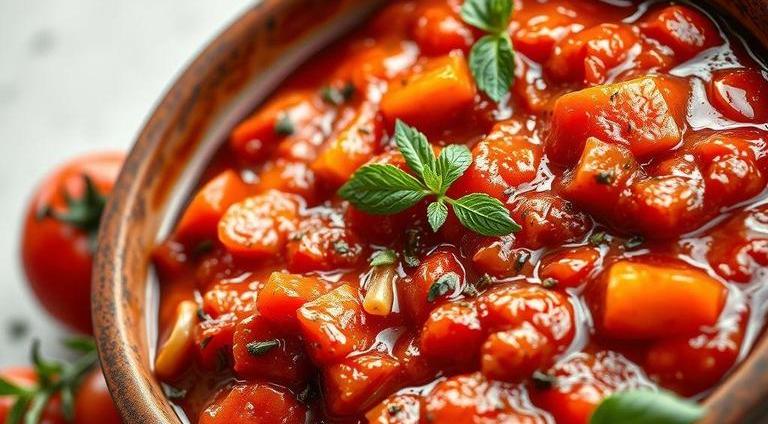
Proper storage is essential to maintaining the flavor and safety of vegetable sauce. Here are some tips:
Expert Tips
To get the most out of your vegetable sauce and avoid wasting any, here are some expert tips:
-
Freeze In Portions
As mentioned earlier, freezing in small portions makes it easier to thaw only what you need without defrosting the entire batch. This way, you preserve the quality of the sauce and prevent it from sitting in the fridge too long after thawing.
-
Vacuum Sealing
For those who make a lot of homemade sauce, consider vacuum sealing portions of sauce before freezing. This removes excess air and helps prevent freezer burn, allowing the sauce to maintain its flavor and texture for a longer period.
-
Check Your Refrigeration Temperature
Ensure your fridge is running at the proper temperature-below 40°F (4°C). If your refrigerator is too warm, your vegetable sauce could spoil faster.
-
Use A Sharpie Or Label
Mark the date of opening or when you made the sauce on the container. This helps you keep track of how long it’s been stored and prevents you from forgetting when it should be consumed or discarded.
FAQs
Can Vegetable Sauce Go Bad If Left Out Overnight?
Yes, vegetable sauce can go bad if left out overnight, especially if it contains perishable ingredients like tomatoes or dairy. Bacteria can grow rapidly at room temperature, leading to spoilage.
How Long Does Vegetable Sauce Last In The Refrigerator?
Vegetable sauce can last 4 to 7 days in the refrigerator, depending on the ingredients used. It’s important to store it in an airtight container to maximize freshness.
What Signs Indicate That Vegetable Sauce Has Gone Bad?
Signs that vegetable sauce has gone bad include a sour or off smell, mold growth, a change in color, or a slimy texture. If the sauce shows any of these signs, it should be discarded.
Can Vegetable Sauce Spoil In The Freezer?
Vegetable sauce can be stored in the freezer for up to 3 months, but freezing may affect its texture. It’s best to freeze the sauce in an airtight container or freezer bag to avoid freezer burn.
Does Vegetable Sauce Need To Be Refrigerated After Opening?
Yes, once vegetable sauce is opened, it should be refrigerated to prevent bacterial growth. Always seal it tightly to maintain its quality.
How Can I Tell If Vegetable Sauce Has Gone Bad Without Tasting It?
You can check for visual signs like mold, discoloration, or changes in texture. Additionally, smelling the sauce can help detect spoilage if it smells sour or fermented.
Can Vegetable Sauce Go Bad After The Expiration Date?
Yes, vegetable sauce can go bad after the expiration date, especially if it has been opened. The expiration date is a guideline for peak quality, but the sauce may still spoil even before the date passes.
Can Vegetable Sauce Go Bad If Not Sealed Properly?
If vegetable sauce is not sealed properly, it can spoil quickly due to exposure to air and bacteria. Always ensure that the lid is tightly secured after each use.
Can Vegetable Sauce Go Bad If It Has Been Sitting In A Pantry For Too Long?
Yes, vegetable sauce can go bad if stored in a pantry for an extended period, especially if it has passed its expiration date. Over time, ingredients can deteriorate, leading to changes in taste, texture, and quality.
Is It Safe To Use Vegetable Sauce That Has Been Sitting Out For A Few Hours?
It is not recommended to use vegetable sauce that has been sitting out for more than 2 hours at room temperature. Bacteria can grow rapidly, which could lead to foodborne illness.